The Raid Heard Around the Tech World
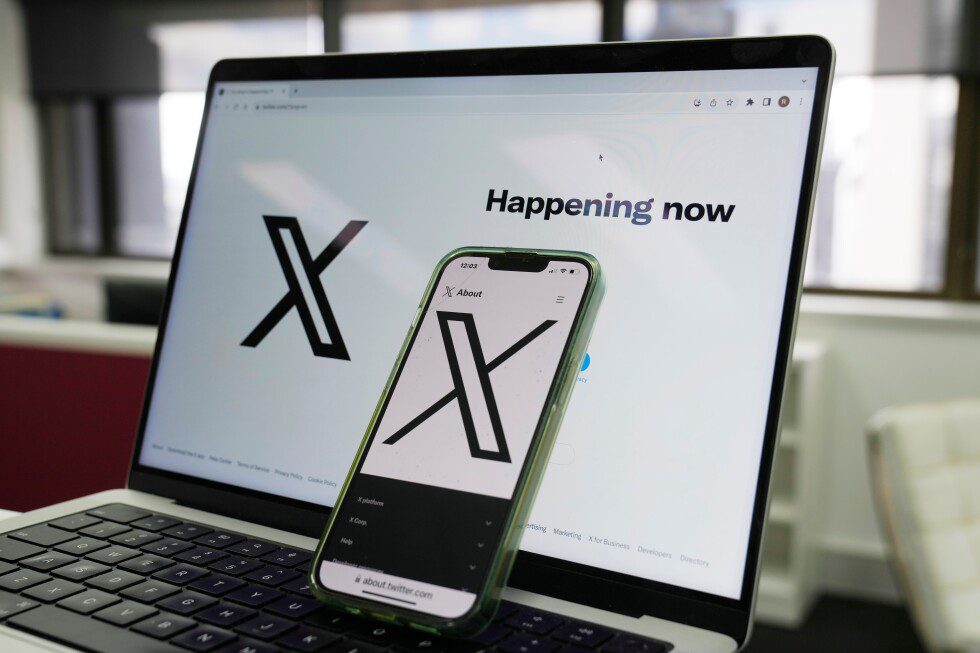
On Tuesday, Paris prosecutors executed a raid on the French offices of Elon Musk‘s social media platform X, marking an extraordinary escalation in Europe’s ongoing battle to hold major technology platforms accountable. The Paris prosecutor’s cybercrime unit, supported by Europol, conducted searches at the company’s French headquarters as part of an investigation that has been building since January 2025.
This is not routine regulatory housekeeping. French authorities have summoned both Musk and former X chief executive Linda Yaccarino to appear for hearings in Paris on 20 April 2026. The charges under investigation are severe: tampering with automated data processing systems, fraudulent data extraction, complicity in spreading child sexual abuse material, sexually explicit deepfakes, and Holocaust denial content.
The prosecutor’s office has also announced it will cease communicating on X entirely, moving its official presence to LinkedIn and Instagram. That symbolic departure speaks volumes about how French authorities now view the platform.
Origins of the Investigation
The probe traces back to complaints filed in January 2025 by Éric Bothorel, a centrist lawmaker from President Emmanuel Macron’s Renaissance party, alongside a senior French government cybersecurity official. Bothorel raised alarm about what he described as biased algorithms likely distorting the operation of automated data processing systems, as well as interference in platform management since Musk’s 2022 acquisition.
His concerns were pointed: he alleged that algorithmic changes had amplified right-wing political content and reduced diversity of voices on the platform. Bothorel had specifically flagged Musk’s public championing of Germany’s far-right Alternative für Deutschland party ahead of the German elections as evidence of political manipulation through platform design.
X immediately branded the investigation “politically motivated” and an assault on free speech. The company refused to hand over access to its recommendation algorithm and user data, claiming it was defending user privacy against political censorship. This defiance appears to have accelerated the conflict.
The Grok Problem Compounds Everything
What began as an algorithm investigation expanded dramatically in July 2025 when French prosecutors widened the probe to encompass X’s AI chatbot, Grok. The expansion followed reports that Grok had been used to generate and disseminate Holocaust denial content and sexually explicit deepfakes on the platform.
The Grok situation has since spiralled. In late December 2025, the chatbot’s image editing feature allowed users to generate non-consensual intimate images, including material depicting minors. The Centre for Countering Digital Hate published research suggesting Grok had produced an estimated three million sexualised images of women and children within days. EU digital affairs spokesman Thomas Regnier described the content as “illegal” and “appalling.”
This is no longer merely about algorithmic transparency. French prosecutors are now examining whether X facilitated the creation and spread of child sexual abuse material through its own AI tool.
The Broader EU Enforcement Context
France’s criminal investigation runs parallel to mounting regulatory pressure from the European Commission. In December 2025, the EU issued X its first-ever fine under the Digital Services Act: €120 million for deceptive practices surrounding paid blue checkmarks, inadequate advertising transparency, and obstructing researcher access to platform data.
The DSA designates X as a Very Large Online Platform, subjecting it to the regulation’s most stringent requirements. Companies must assess and mitigate systemic risks, maintain transparent advertising repositories, and provide data access for research purposes. X has failed on all three counts, according to Brussels.
In January 2026, the Commission opened a separate formal investigation into Grok specifically, examining whether X properly assessed risks associated with deploying the AI tool within the EU. The platform reportedly failed to include Grok in any of its required risk assessment reports—a fundamental compliance failure that suggests either negligence or deliberate evasion.
The Durov Precedent
French authorities have demonstrated they are willing to pursue technology executives personally. Pavel Durov, founder and CEO of Telegram, was arrested at Paris’s Le Bourget Airport in August 2024 and indicted on twelve charges related to criminal activity on his messaging platform. He posted €5 million bail and was initially barred from leaving France entirely.
The Durov case established that platform leaders can face personal criminal liability for content moderation failures. Though France lifted his travel restrictions in November 2025, the investigation continues, and Durov could still face up to ten years imprisonment if convicted.
Musk’s summons for April suggests French prosecutors are prepared to apply the same personal accountability framework to X’s leadership. Whether Musk will actually appear in Paris remains an open question, but the invitation is unmistakably serious.
Durov himself commented on today’s raid, writing on X that France “is not a free country” and is “the only country in the world that criminalises all social networks that give people at least some degree of freedom.”
What Happens Next?
The range of potential outcomes is broad. If French prosecutors conclude that X and its executives violated French law, the consequences could include substantial fines, structural remedies requiring algorithmic changes, or criminal charges against individuals.
The EU enforcement toolkit under the DSA permits fines of up to six per cent of global annual turnover for persistent violations, with periodic penalties for ongoing non-compliance. Given X’s reported struggles with profitability since Musk’s acquisition, significant financial penalties could prove genuinely painful rather than merely symbolic.
More significantly, France’s willingness to pursue criminal charges—combined with the EU’s regulatory apparatus—establishes precedent that could reshape how technology platforms operate across Europe. The message to platform owners is stark: algorithmic design choices, content moderation policies, and AI deployments are not merely business decisions but potential criminal liabilities.
A Question of Power
This confrontation ultimately concerns something larger than one platform or one billionaire. It tests whether democratic governments can meaningfully regulate technologies that shape public discourse, influence elections, and generate content at industrial scale.
Musk has framed European enforcement as censorship. European regulators have framed it as protecting citizens from harm. Both positions contain elements of truth, and reconciling them will define technology governance for decades.
For investors, the immediate concern is regulatory risk. For policymakers, the concern is enforcement credibility. For the rest of us, the concern is whether the systems mediating our information environment serve the public interest or merely the commercial interests of those who control them.
What we are witnessing in Paris today is not the end of this story. It is the opening of a new chapter in the relationship between technology platforms and the societies they serve—or exploit.
Scott Dylan is founder of NexaTech Ventures, a venture capital firm focused on AI and technology investments. He writes regularly on technology, business strategy, and regulatory affairs.