
Pakistan SIM Registration: Why It Matters and How to Stay Secure

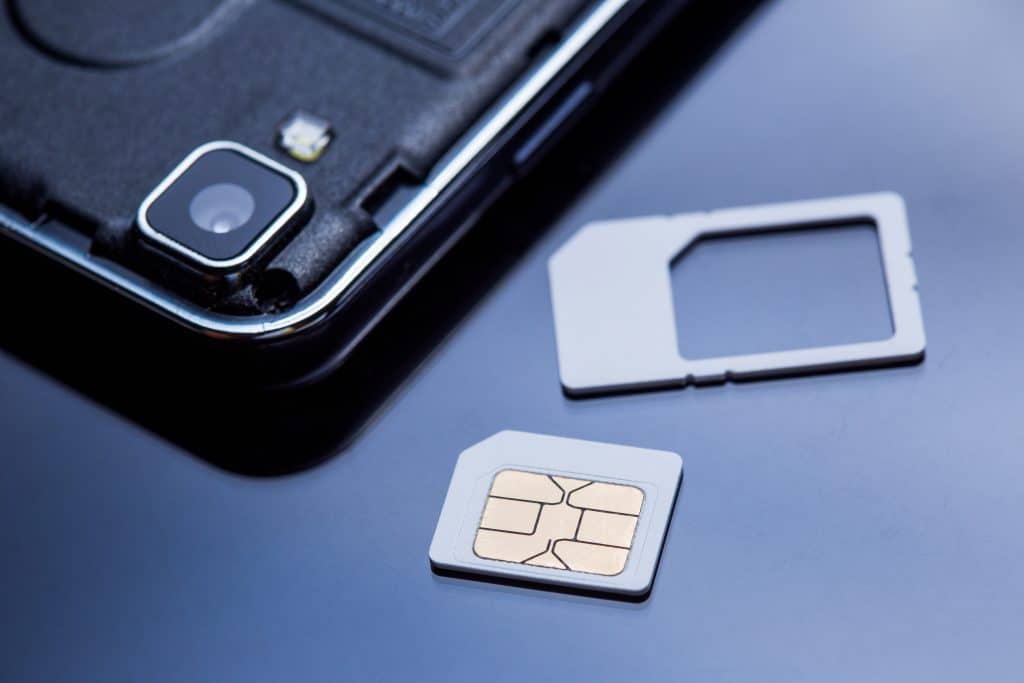
Pakistan has one of the largest mobile subscriber bases in South Asia, with hundreds of millions of active SIM connections across the country’s telecom networks. As mobile usage grows, so does the risk of SIM-related fraud, harassment, and identity misuse.
Understanding how SIM registration works, why it matters, and how to protect yourself has become an essential piece of digital literacy for anyone living in or doing business with Pakistan.
This article breaks down how the country’s SIM verification system works, the risks users face when SIM security is ignored, and the practical steps every mobile user should take to stay protected. For readers who want a closer walkthrough of how SIM verification tools work in Pakistan, there are detailed, regularly updated guides covering the process step by step.
The Foundation: CNIC-Linked SIM Registration
Unlike many countries where SIM cards can be purchased anonymously, Pakistan requires every SIM card to be registered against the buyer’s Computerized National Identity Card (CNIC). This system was introduced by the Pakistan Telecommunication Authority (PTA) as a security measure following a wave of SIM-related crimes, including fraud, extortion calls, and the use of unregistered numbers in terrorist activity.
In practice, this means every active mobile number in the country is tied to a real, verifiable identity on record with the telecom operator. This is a significant improvement over unregulated markets, but it only works if individuals actively monitor their own CNIC records and stay alert to how their identity data might be used or misused.
Why SIM Security Still Matters, Even With Regulation
A regulated system reduces anonymous misuse, but it does not eliminate the risks entirely. Several problems persist:
Multiple SIMs registered without the owner’s knowledge. It’s common for retailers, agents, or even acquaintances to register additional SIMs against someone’s CNIC without full disclosure, sometimes for resale, sometimes for less legitimate purposes. Since PTA limits how many SIMs one CNIC can hold, unauthorized registrations can silently use up that quota or, worse, get tied to numbers used in scams.
Harassment and unknown callers. Despite registration requirements, harassment calls and messages from unfamiliar numbers remain a common complaint, particularly among women and younger users. Knowing how to respond to and report this kind of activity is critical.
Fraud in second-hand transactions. Pakistan’s used-phone and classifieds market is large and mostly informal. Buyers and sellers frequently rely on phone numbers as the only point of contact, which creates an opening for scams if there’s no way to verify who you’re actually dealing with.
How to Check How Many SIMs Are Registered in Your Name
PTA provides a free, official service that lets any citizen check how many SIM cards are currently registered against their CNIC across all networks. To use it:
- Open the messaging app on your phone.
- Type your 13-digit CNIC number (without dashes).
- Send it as an SMS to 668.
- You will receive a reply listing the total number of SIMs registered under your CNIC, broken down by operator.
If the count is higher than expected, or includes networks you’ve never subscribed to, you can visit your operator’s customer service center with your original CNIC to request details and have unauthorized connections blocked. This single step is one of the most effective and least-used tools available to Pakistani mobile users for protecting their identity, and it’s worth pairing with ongoing technology news coverage focused on the Pakistani market to stay current on regulatory changes from PTA and the telecom operators.
What to Do About Harassment or Suspicious Numbers
If you’re receiving repeated unwanted calls or messages, a few practical steps can help:
- Do not engage or share personal information with unknown callers, even if they claim to represent a bank, courier service, or government office.
- Report the number to your own telecom operator, which can flag or block numbers involved in repeated harassment complaints.
- File a complaint with the Federal Investigation Agency’s Cyber Crime Wing, which handles harassment, blackmail, and digital fraud cases involving phone numbers.
- Keep records, including screenshots of messages and call logs, since these are often required for a formal complaint to move forward.
Pakistan’s cybercrime law, the Prevention of Electronic Crimes Act (PECA), covers harassment conducted via phone and digital platforms, giving victims a legal route beyond simply blocking a number.
Staying Safe in Second-Hand Phone and Online Marketplace Deals
Because so much of Pakistan’s buying and selling happens informally over the phone, a bit of caution goes a long way:
- Meet in public places for high-value transactions, ideally during daylight hours.
- Ask for a copy of the seller’s CNIC for larger purchases and keep it on file until the transaction is complete.
- Confirm that any phone being purchased isn’t reported lost or stolen through your operator, since a blacklisted device will eventually lose network access entirely.
- Be wary of sellers who pressure you to complete a deal quickly or refuse basic verification steps.
The Bigger Picture
Regulations, scam tactics, and available consumer protections all shift over time, which makes it worth following credible technology coverage rather than relying on outdated advice. Pakistan’s CNIC-linked SIM registration system is one of the more robust identity-verification frameworks in the region, but its effectiveness ultimately depends on individual awareness. Most SIM-related fraud and harassment cases aren’t the result of gaps in the regulation itself, they happen because users don’t know the tools and reporting channels already available to them.
Checking your own CNIC’s registered SIM count every few months, knowing where to report harassment, and applying basic caution in phone-based transactions are small habits that add up to meaningful protection. As mobile connectivity continues to expand across Pakistan, that kind of digital hygiene will only become more important, both for individual users and for the broader integrity of the country’s telecom ecosystem.






Comment