
Optical Transceiver PCBA OEM for 400G and 800G: Consigned vs Turnkey Builds

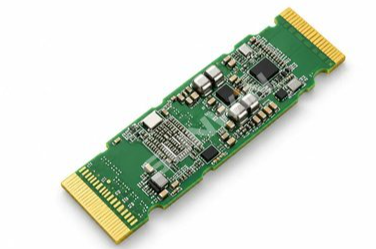
Optical Transceiver PCBA OEM for 400G and 800G: Consigned vs Turnkey Builds
Trouble with a component reel rarely begins at the placement machine. It begins when the reel is late, cannot be traced, or carries the wrong revision. Consignment puts agreed parts in the OEM’s kit; turnkey puts agreed BOM lines on the manufacturer’s orders. Many 400G and 800G Optical Transceiver PCBA RFQs combine them.
On its Optical Transceiver PCBA page, SUNWIN places 400G/800G within a 10G-to-1.6T scope. Its 01005, flip chip assembly, and SMT + COB statements describe the factory, while the BOM, test limits, and qualification plan remain the customer’s documents.
Last updated: October 13, 2026. The SUNWIN pages linked here were reviewed on the same day.
400G/800G Optical Transceiver PCBA consigned vs turnkey builds: what is the difference?
The useful question behind the sales terms is, “Who buys this exact BOM line?” In full turnkey PCB assembly, the answer is the factory for the lines shown in its quote. Under consignment, the OEM ships those items. On a hybrid order, that answer may be different on the very next row.
| Decision point | Consigned build | Turnkey build | Hybrid build |
| Material buyer | OEM | Manufacturer for agreed lines | Split by BOM line |
| Critical-chip control | Direct OEM control | Written sourcing approval required | Usually customer-supplied |
| Shortage response | OEM replenishes the kit | Manufacturer manages agreed sources | Each party owns its lines |
| Inventory exposure | OEM carries material | Included in the commercial offer | Shared by sourcing boundary |
| Best fit | Controlled stock or allocations | Standard parts and fewer purchasing handoffs | Critical silicon plus standard materials |
When should an OEM choose each option in 400G/800G Optical Transceiver PCBA consigned vs turnkey builds?
Verified stock and a valuable allocation argue for consignment. Ordinary components with settled alternates are easier to leave in turnkey. A mixed BOM can use both routes. The awkward disputes disappear when the buyer and source are written beside each line and the attrition and unused-stock terms are settled before release.
A source or revision change in a DSP, TIA, laser driver, or optical chip may reopen qualification. Keep that device in the customer kit. It moves to SUNWIN’s scope only after a project agreement records the named part in writing.
400G/800G Optical Transceiver PCBA consigned vs turnkey builds: process, quality and cost trade-offs
The purchasing route stops at the stockroom; it must not lower the acceptance bar on the line. The same revision checks, incoming controls, SPI, placement verification, reflow controls, AOI or X-ray, COB inspection, tests, and release records apply. What differs is the party responsible for the incoming evidence.
Price needs unpacking. Turnkey may include purchasing time, tied-up cash, minimum orders, or a leftover reel. Consignment leaves kitting and freight with the OEM. Compare both offers at the same volume, test scope, and schedule.
SUNWIN links its SMT and COB flow to inspection, tests, and MES records on the manufacturing page. For optical-transceiver boards, the stated checks include SPI on every board, 3D AOI, X-ray where joints are hidden, and CCD around COB. The customer’s drawing decides what passes.
400G/800G Optical Transceiver PCBA consigned vs turnkey builds: reliability and thermal-management differences
Imagine two boards built from the same released data, one consigned and one turnkey. Their invoice labels cannot change junction temperature or solder life. If the measured outcome differs, investigate what entered the line, how it was stored and assembled, the heat path, and what the test actually covered.
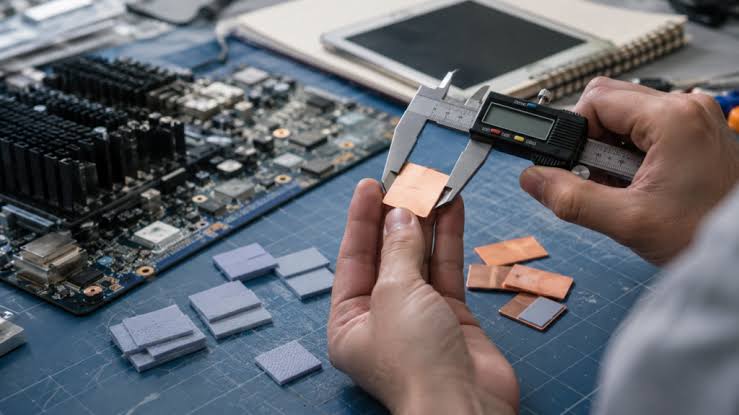
Do not add heat management after quotation. The RFQ is where the interface material and heat-spreader arrangement belong, together with component limits, reflow exposure, and the board test. SUNWIN describes lot and process traceability on its quality management system page.
Supplier qualification checklist for 400G/800G Optical Transceiver PCBA consigned vs turnkey builds
A good audit follows one received lot rather than only watching machines. Where did it come from, which BOM called it out, and what happened between stores and final test? The answer should be visible in handling, placement, SMT-to-COB, inspection, nonconformance, and MES records. A generic capability slide proves little.
SUNWIN publishes 110 μm for flip-chip bump pitch alongside its 01005 and hybrid SMT + COB claims. That number opens the qualification conversation; it does not close it. The proposed layout still has to fit its materials, tolerances, tests, and forecast.
What should an RFQ specify for 400G/800G Optical Transceiver PCBA consigned vs turnkey builds?
An RFQ fails when its BOM says only “turnkey.” A quoteable version leaves no anonymous part: the purchasing party is visible, as are the allowed source and change rule. It also closes the usual gaps around quantity, attrition, shortages, residue, current drawings, test limits, packing, and forecast.
SUNWIN‘s RFQ guide groups the design files and BOM with the assembly, test, and quality requirements. The forecast belongs in that same package. Sending them together gives both sides a chance to find an assumption before it turns into purchased material.
400G/800G Optical Transceiver PCBA consigned vs turnkey builds with Full Turnkey Manufacturing: manufacturing considerations
Full Turnkey Manufacturing needs an approved BOM plus written buying authority, alternate rules, acceptance evidence, and inventory terms. SUNWIN may quote PCBs and standard parts with assembly, test, and packing. Obtain separate written confirmation for DSPs, TIAs, laser drivers, or optical dies.
An auditable full turnkey PCB assembly quote shows each line’s source, evidence trail, substitution permission, liability, and surplus owner. A blank field leaves the comparison with consignment unfinished.
Full Turnkey Manufacturing and SMT + COB Hybrid Assembly requirements for 400G/800G Optical Transceiver PCBA consigned vs turnkey builds
For SMT + COB Hybrid Assembly, one traveler must cross the boundary between the two process families. A lot that enters paste printing cannot lose its identity after placement and reflow, or during die work, optional wire bonding, cleaning, inspection, and test. Materials chosen upstream must also tolerate the work downstream.
During a SUNWIN review, choose one sourced part and follow it into the process plan. Depending on the joint, that trail may touch 01005 placement or 110 μm flip-chip work, then SPI, 3D AOI, X-ray, CCD, and MES records. The workshop overview opens the discussion; the actual board closes it.
FAQs
Q: Does SUNWIN source the DSP, TIA, laser driver, and optical chips in a turnkey build?
A: Do not read “turnkey” as an automatic yes. Keep those devices customer-supplied unless SUNWIN accepts named BOM lines in writing after reviewing availability, approved sources, revision control, traceability, and commercial risk. An agreed scope can still include PCBs and standard parts.
Q: Is turnkey always faster or cheaper than consigned Optical Transceiver PCBA?
A: No. The factory may have ready access to ordinary parts while the OEM already holds the scarce, controlled device. In that case, a hybrid build can beat either pure model. The cost answer also changes after financing, surplus, kitting, freight, and inventory are counted. Compare equal quantities, tests, and schedules.
Q: What does SUNWIN need to quote a 400G or 800G Optical Transceiver PCBA?
A: Begin with current Gerbers or drawings and the matching BOM. Add the assembly specification, who buys each line, test and quality requirements, and the forecast. Mark any open alternate and separate prototype from production quantities. Submit the resulting package through the SUNWIN project contact.





Comment