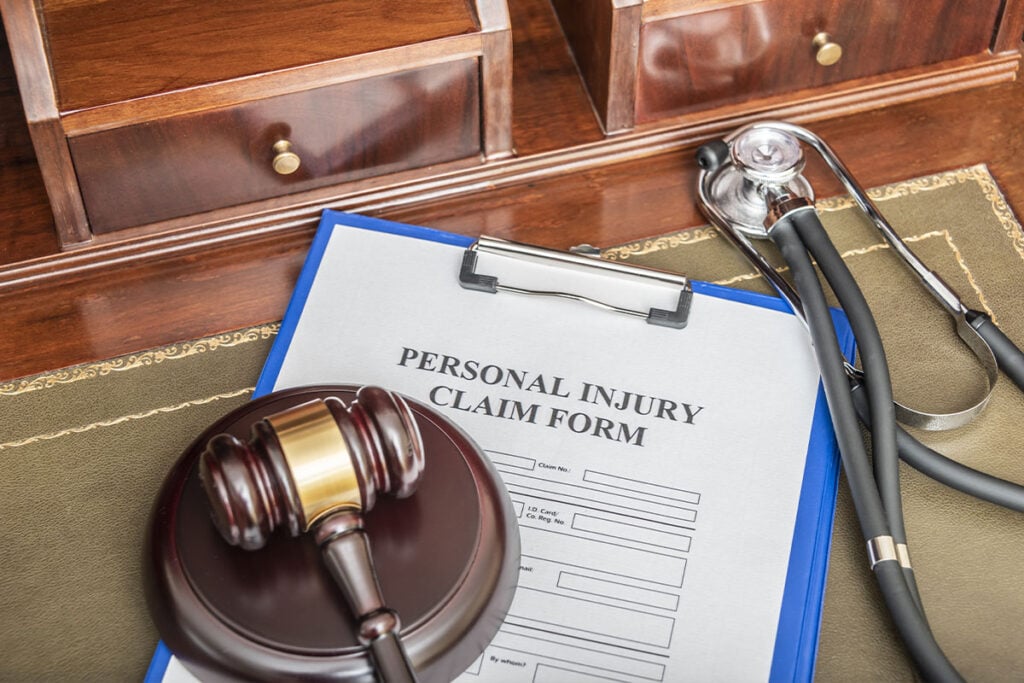
An unexpected injury can quickly turn your life upside down. The physical pain is often compounded by financial worries, the stress of medical appointments, and the daunting prospect of navigating insurance claims. When an accident that wasn’t your fault leaves you with injuries, understanding your legal avenues is crucial. This is especially true when you need specialized support to ensure your rights are protected and you receive the compensation you deserve.
Understanding Personal Injury Claims
A personal injury claim is a legal process initiated when an individual suffers harm due to the negligence or wrongdoing of another party. This harm can be physical, emotional, or financial. The core of such a claim lies in proving that the other party’s actions directly caused your injuries and subsequent damages. Damages can include medical expenses, lost wages, pain and suffering, and other related costs.
Key Concepts in Personal Injury Law
- Negligence: This is the failure to exercise the degree of care that a reasonably prudent person would exercise under similar circumstances. It’s the most common basis for personal injury claims.
- Causation: This establishes a direct link between the defendant’s negligent actions and the plaintiff’s injuries. You must show that the accident wouldn’t have happened, or the injuries wouldn’t have occurred, but for the defendant’s actions.
- Damages: These are the losses you have suffered as a result of the injury. They are typically categorized into economic (quantifiable losses like medical bills) and non-economic (intangible losses like pain and suffering).
Deep Dive: Key Factors in Your Injury Claim
Gathering Evidence After an Accident
The foundation of any strong personal injury claim is solid evidence. The sooner you begin collecting it, the better. This evidence helps to establish fault and the extent of your damages.
- Incident Reports: For car accidents, obtain the police report. For workplace injuries, file an internal company report.
- Photographs and Videos: Document the accident scene, vehicle damage, your injuries, and any contributing factors.
- Witness Information: Collect contact details of anyone who saw the accident occur.
- Medical Records: Keep meticulous records of all doctor visits, treatments, prescriptions, and therapy sessions.
- Receipts and Bills: Save all documentation related to expenses incurred due to the injury, including medical bills, medication costs, and repair estimates.
Understanding Your Medical Treatment
Your health is paramount, and consistent medical care is vital for your recovery and your claim. It demonstrates the seriousness of your injuries and their ongoing impact.
- Follow your doctor’s advice and attend all scheduled appointments and therapy sessions.
- Be honest and thorough with your medical providers about your symptoms and how the injury affects your daily life.
- Understand that delaying or skipping treatment can be interpreted as a lack of seriousness and may negatively impact your claim.
The Role of Insurance Companies
Insurance companies aim to settle claims for the least amount possible. Their adjusters are trained negotiators who may try to get you to admit fault or accept a quick, low settlement. It is often beneficial to have legal representation when dealing with insurance adjusters to ensure your rights are protected.
Common Mistakes and Misconceptions
- Delaying Legal Counsel: Waiting too long to speak with a lawyer can jeopardize your claim, especially with strict time limits for filing.
- Speaking to the Other Party’s Insurer Without Advice: Anything you say can be used against you. It’s best to let your legal representative handle communications.
- Underestimating Your Damages: People often focus only on immediate medical bills and overlook long-term care needs, lost earning potential, and the impact on their quality of life.
- Not Seeking Proper Medical Attention: As mentioned, inconsistent or absent medical care weakens your case significantly.
- Believing You Are at Fault: Even if you believe you contributed to an accident, you may still have a valid claim in many jurisdictions.
Practical Takeaways for Your Situation
After an injury, prioritize your recovery. Document everything related to the accident and your treatment. Understand that dealing with insurance companies can be complex, and seeking professional guidance early on can make a significant difference.
A Decision-Making Perspective
When faced with a personal injury, the decision to seek legal help is significant. Consider the complexity of the legal system, the tactics of insurance companies, and the potential long-term impact of your injuries. For those in the Hamilton area seeking experienced representation, consulting with a personal injury lawyer hamilton can provide clarity and peace of mind. The goal is to secure fair compensation, allowing you to focus on healing without the added burden of financial and legal stress.
Looking Ahead: Evolving Legal Landscape
The landscape of personal injury law is continually evolving with changes in legislation and court decisions. Staying informed about these developments is important for claimants. Technology also plays an increasing role, from digital evidence collection to virtual consultations. Understanding these trends can help individuals better prepare for their legal journey and ensure they are advocating effectively for their rights in the modern era.