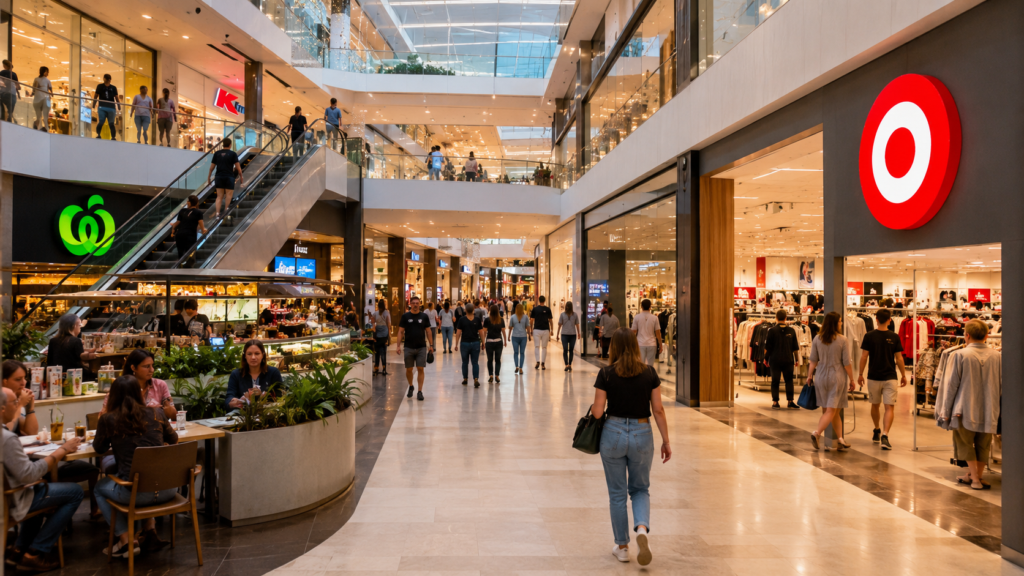
Australia has a thriving retail scene, both on the high street and online. But when people ask “what is the most popular store in Australia?”, the answer isn’t as simple as naming one winner. Popularity depends on what you’re buying, where you live, and what matters most to you as a shopper.
In this article, we’ll break down how store popularity is measured, explore the types of retailers Australians trust most, and unpack the key factors that make certain brands rise above the rest. Whether you’re a curious shopper or a business looking to understand the market, this guide gives you a clear picture of the Australian retail landscape.
How Do We Measure Store Popularity?
Before naming names, it helps to understand what “popular” actually means in retail.
Store popularity can be measured in several ways:
- Revenue and market share: How much money a retailer generates compared to its competitors
- Website traffic: The number of Australians visiting an online store each month
- Customer reviews and ratings: Feedback on platforms like Google Reviews and Product Review Australia
- Brand recognition: How well-known a store is across different age groups and regions
- Repeat purchase rate: Whether shoppers keep coming back, which signals genuine loyalty
No single metric tells the whole story. A store might dominate online traffic but rank lower in customer satisfaction. Another might have modest revenue but an intensely loyal customer base. Keeping this in mind helps you look at Australia’s retail landscape with a more complete view.
Types of Stores Australians Prefer
Australian shoppers spread their spending across several retail categories. Understanding these categories helps explain why multiple stores can claim “most popular” status depending on the context.
Supermarkets and Grocery Retailers
Grocery shopping drives some of the highest retail foot traffic in the country. Australians make regular, repeat visits to supermarkets, making this one of the most competitive segments in the market. Large national chains dominate this space, offering a mix of private-label products and name brands at competitive prices. Click-and-collect services and home delivery have also pushed grocery retailers firmly into the ecommerce conversation.
Department Stores
Department stores have long held a central place in Australian retail. They appeal to shoppers who want variety under one roof, clothing, homewares, electronics, beauty products, and more. Their ability to cater to multiple shopping needs in a single visit website gives them a broad and loyal customer base.
Fashion and Apparel Retailers
Australians spend heavily on clothing and footwear. Both local and international fashion brands compete fiercely for this market. Online fashion has grown particularly fast, with free returns, virtual try-on features, and influencer marketing driving significant traffic to fashion stores year-round.
Electronics and Tech Stores
Tech purchases are a major part of Australian ecommerce. Shoppers look for the latest smartphones, laptops, gaming gear, and smart home devices. Retailers that offer competitive pricing, expert advice, and strong after-sales support tend to perform well in this category.
Home and Garden Stores
As more Australians invest in their living spaces, home and garden retail has grown consistently. DIY culture, interior design trends, and outdoor living have all contributed to strong sales across this category both in-store and online.
Why Certain Retailers Become Popular
Popularity in Australian retail doesn’t happen by accident. The stores that earn consistent loyalty tend to share a few important qualities.
Convenience and Accessibility
Australians value their time. Stores that make shopping easy, whether through intuitive websites, fast checkouts, multiple store locations, or reliable delivery, earn repeat business. Click-and-collect options, same-day delivery in major cities, and 24/7 online access all contribute to a retailer’s appeal.
Competitive Pricing and Value
Price sensitivity plays a significant role in where Australians choose to shop. Retailers that clearly communicate value, through sales, loyalty programs, price-matching guarantees, or bundle deals, consistently attract more customers. Buy Now, Pay Later (BNPL) options like Afterpay and Zip have also made it easier for shoppers to access products without immediate financial strain.
Product Range and Availability
Wide product selection matters. Shoppers are more likely to return to a retailer that can meet multiple needs in one place. This is why marketplace-style platforms and large department stores continue to perform strongly, they reduce the need to shop around.
Customer Trust and Reviews
Australians are discerning shoppers. They research before they buy, and online reviews carry significant weight. Stores that maintain transparent policies, respond to customer complaints, and consistently deliver what they promise earn the kind of trust that drives long-term loyalty.
If you’re looking for stores that have earned strong customer ratings across multiple categories, click here to explore curated directories of top-rated Australian retailers.
Strong Online Presence
The shift toward ecommerce has reshaped what “popular” means in retail. A store without a strong online presence is increasingly at a disadvantage. The most popular retailers in Australia today invest heavily in their websites, mobile apps, social media channels, and search visibility. Shoppers expect a seamless experience whether they’re browsing in-store or on their phone.
Australian Retail: What the Data Tells Us
While pinpointing a single most popular store is difficult, a few patterns emerge consistently when looking at Australian retail data:
- Supermarkets dominate in terms of visit frequency, Australians shop for groceries more often than any other category
- Online marketplaces attract the highest volume of unique visitors each month, benefiting from broad product ranges and competitive pricing
- Fashion retailers lead in terms of online-only purchases, with mobile shopping especially strong in this category
- Electronics stores see the highest average spend per transaction, particularly during major sales events
These patterns show that popularity is category-specific. The most popular store for one shopper may be completely different for another based on their lifestyle, budget, and preferences.
Common Mistakes Shoppers Make When Choosing a Store
Even in a mature retail market, shoppers sometimes fall into traps that cost them time or money.
- Choosing based on price alone without checking return policies or delivery timeframes
- Overlooking smaller local retailers that may offer better customer service and comparable pricing
- Not reading reviews before purchasing from an unfamiliar online store
- Missing out on loyalty programs that could save money over time
Taking a few extra minutes to compare your options can make a real difference, especially for larger purchases.
How to Find the Right Store for You
The “most popular” store isn’t always the best store for your specific needs. Here’s a simple approach to finding the right fit:
- Define what you need product type, budget, and delivery requirements
- Check customer reviews on independent platforms
- Compare pricing across two or three retailers before committing
- Look at the return policy before you buy
- Verify the store’s contact details and make sure support is accessible
If you want tailored recommendations based on product category or region, visit us to explore guides that help Australian shoppers find trusted retailers for every budget.
Conclusion
There’s no single answer to the question of what the most popular store in Australia is, and that’s actually good news for shoppers. The Australian retail market is diverse, competitive, and increasingly customer-focused. From supermarkets to fashion boutiques and tech giants, there’s genuine competition that keeps prices fair and service standards high.
What matters most is finding the store that fits your needs. Look for convenience, value, a strong product range, and a track record you can trust. Start by exploring reviews, comparing your options, and using the resources available to you. The best store for you is the one that earns your loyalty over time.