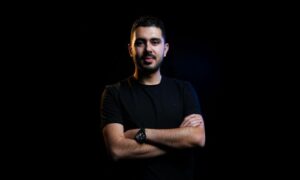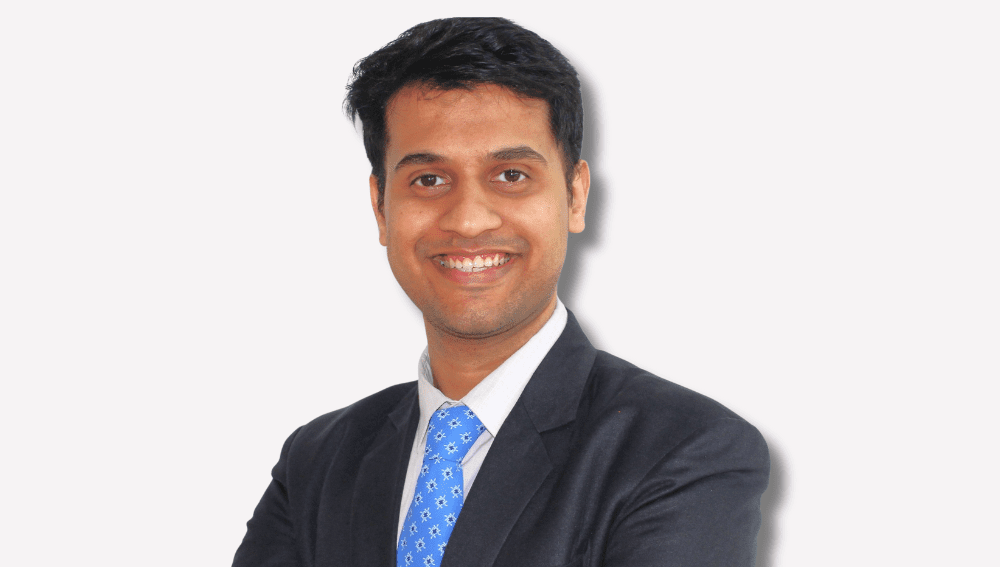
But real longevity is not a checklist. It’s a system. One of the examples of such system was recently released by an Armenian tech enthusiast named Wolf Alexanyan. On his personal website Wolf shows how simple, yet efficient, a practical longevity protocol can look.
You can have visible abs, perfect macros, and a smartwatch full of green metrics — and still age poorly where it matters most. Because the real risk is not just physical decline. It’s cognitive drift. It’s loss of discipline. It’s the slow erosion of clarity and edge.
A serious longevity framework goes beyond diet, sleep, and workouts. Those are foundational, but they are only the biological layer. They keep the machine running. They do not determine how well it operates.
The deeper layer is how you use your brain every single day.
Study is one of the most neglected pillars of long-term vitality. People accept that muscles weaken without training. Yet they assume the brain will somehow stay sharp on autopilot. It doesn’t. Without deliberate cognitive stress, thinking becomes rigid. Curiosity narrows. Decision quality drops. Over years, that compounds just as visibly as physical decay.
Reading complex material, taking structured notes, revisiting ideas, explaining concepts in your own words — these are not academic hobbies. They are neurological training. They force the brain to form new connections, refine mental models, and stay adaptive. Neuroplasticity responds to challenge, not comfort.
If longevity means remaining capable, respected, and sharp into your later decades, then study is not optional. It is maintenance.
The same applies to routine.
Most people underestimate how much energy they lose to chaos. Irregular schedules, constant notifications, low-quality information intake, reactive task switching — these drain cognitive bandwidth. Over time, chronic mental fragmentation feeds stress, degrades sleep, and indirectly harms metabolic health.
A structured daily rhythm is not about rigidity. It is about protecting energy. When demanding tasks happen at predictable times, when distractions are filtered, when evenings are used intentionally rather than randomly, recovery improves. Stress becomes manageable instead of ambient. Discipline stops relying on motivation.
Longevity is not just about what you eat. It is about what you repeatedly allow into your nervous system.
Environment matters too. Light exposure at night, overheated rooms, polluted air, constant noise — these subtle stressors accumulate. Individually they seem minor. Collectively they shape sleep quality, inflammation levels, and mental clarity. Engineering your surroundings to reduce friction makes healthy behavior automatic instead of heroic.
Data closes the loop. Without feedback, decline is invisible until it is obvious. With regular bloodwork, recovery tracking, and metabolic monitoring, adjustments stay small. Five percent corrections, applied consistently, outperform dramatic overhauls after years of neglect.
What makes this approach different is not intensity. It is integration.
Diet stabilizes metabolism. Training builds capacity. Sleep restores the system. Study strengthens the mind. Routine protects energy. Environment reduces background stress. Data prevents drift.
Remove any one of those pillars, and the structure weakens.
Longevity is not about squeezing out extra years at the end of life. It is about extending the period in which you are strong, clear, disciplined, and capable. It is about staying operational — physically and cognitively — while others begin to fade.
The body ages. That’s inevitable. But the rate and quality of that aging are shaped by thousands of small daily decisions.
The question is not whether you work out or eat clean. The question is whether your entire system — body, brain, habits, environment — is aligned toward long-term function.
That alignment is the real longevity protocol. You can learn more about every pillar described here via this link: https://keepsimple.io/tools/longevity-protocol/habits/lifestyle
Read More From Techbullion