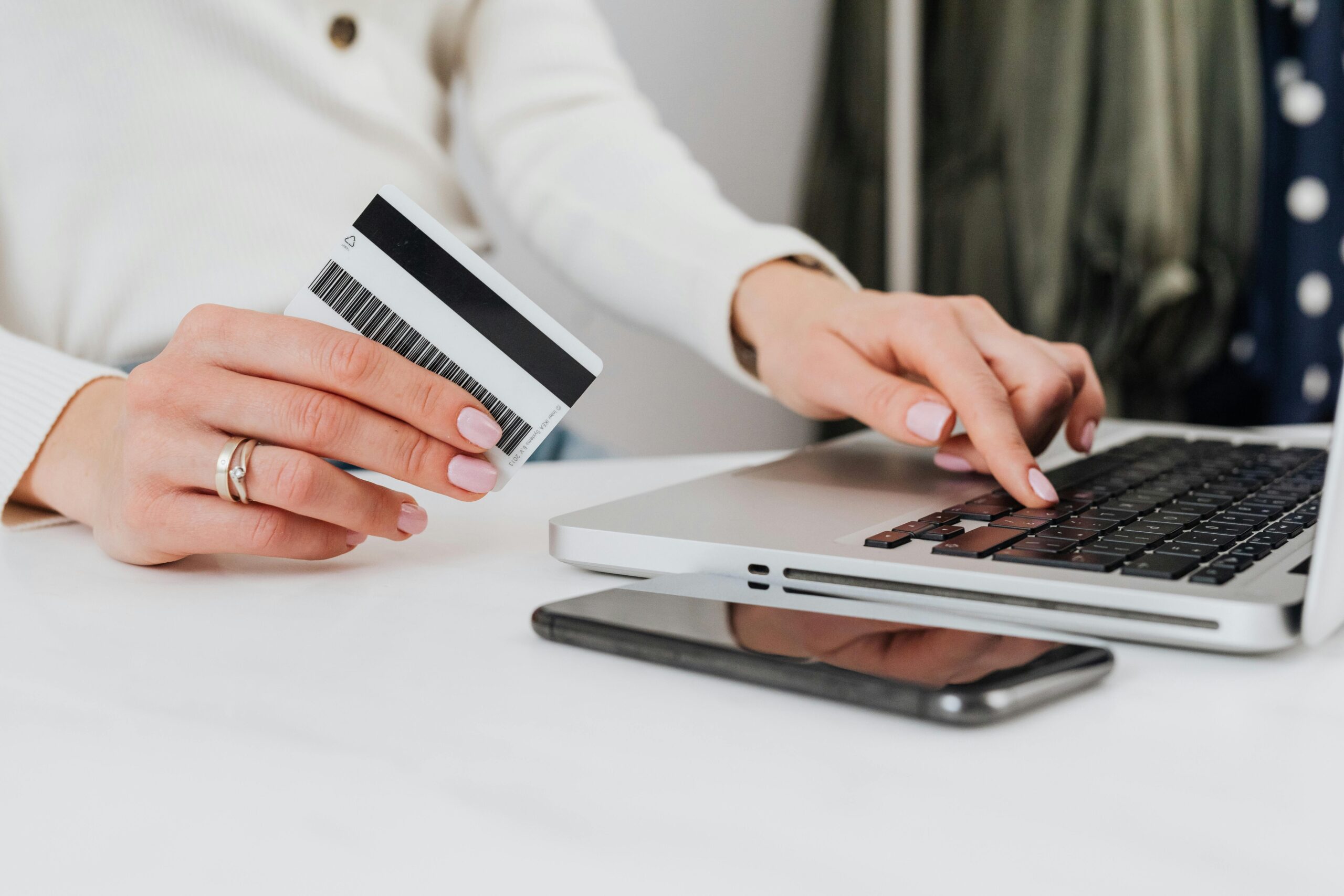
As digital payments continue to evolve, both businesses and individuals are looking for smarter ways to manage transactions without disrupting cash flow. Traditional banking systems are reliable, but they often lack the flexibility required in today’s fast-moving financial environment. This has led to the rise of innovative payment solutions that combine convenience, speed, and control.
One of the most noticeable shifts is the blending of different payment methods to achieve better financial outcomes. By connecting card-based funding with electronic bank transfers, users can access more flexible payment options while maintaining compliance with standard financial systems.
Understanding the Need for Hybrid Payment Methods
Bank transfers are widely accepted for recurring expenses such as rent, utilities, vendor invoices, and payroll. However, they require sufficient funds in the bank at the time of payment. This can be limiting for businesses facing temporary cash shortages or individuals juggling multiple financial commitments.
Hybrid payment methods help bridge this gap. They allow users to initiate payments even when immediate bank liquidity is tight, offering breathing room without delaying obligations. This flexibility can be critical for maintaining supplier trust, avoiding late fees, and keeping operations running smoothly.
Key Advantages for Businesses
For businesses, cash flow management is a constant challenge. Sales cycles, delayed receivables, and unexpected expenses can all impact available funds. Flexible payment solutions help businesses stay agile by providing short-term financial relief without resorting to traditional loans.
Another benefit is improved expense tracking. Centralized payment platforms often include dashboards, reports, and downloadable records that simplify accounting and reconciliation. This reduces manual errors and saves time during audits or tax preparation.
Additionally, businesses can benefit from potential card rewards when eligible payments are routed through credit-based funding. Over time, these rewards can translate into meaningful savings or perks, especially for companies with high monthly expenses.
Benefits for Individuals and Freelancers
Individuals and freelancers also gain significant advantages from modern payment options. Managing recurring bills becomes easier when payments can be scheduled, automated, and tracked from one place. This reduces stress and lowers the risk of missed deadlines.
For freelancers with inconsistent income, payment flexibility can help smooth out financial ups and downs. The ability to Use Credit Card to Make ACH Payment offers an alternative way to meet obligations while waiting for client payments to clear.
Security and Reliability
Security remains a top concern when adopting new payment technologies. Trusted platforms use advanced encryption, fraud monitoring, and regulatory compliance measures to protect user data. These safeguards ensure that sensitive financial information remains secure throughout the transaction process.
Reliability is equally important. Consistent processing times, transparent fees, and responsive customer support are key indicators of a dependable payment provider. Users should always review service terms and understand settlement timelines before committing to a platform.
How to Choose the Right Payment Provider
Selecting the right provider requires careful evaluation. Look for platforms that clearly outline fees, support major banks, and offer easy integration with existing financial tools. User-friendly interfaces and mobile accessibility can further enhance the overall experience.
Scalability should also be considered. As financial needs grow, the platform should be able to handle increased transaction volumes without sacrificing performance or security.
Final Thoughts
The financial landscape is changing rapidly, and payment flexibility is becoming a necessity rather than an option. By leveraging modern solutions that combine card funding with bank transfer delivery, users can gain better control over their finances while maintaining efficiency and reliability.
Whether you’re running a business, freelancing, or managing household expenses, adopting smarter payment methods can help you stay financially resilient in an increasingly digital world.