
Modern Assessment Technology in Physiotherapy and Rehabilitation

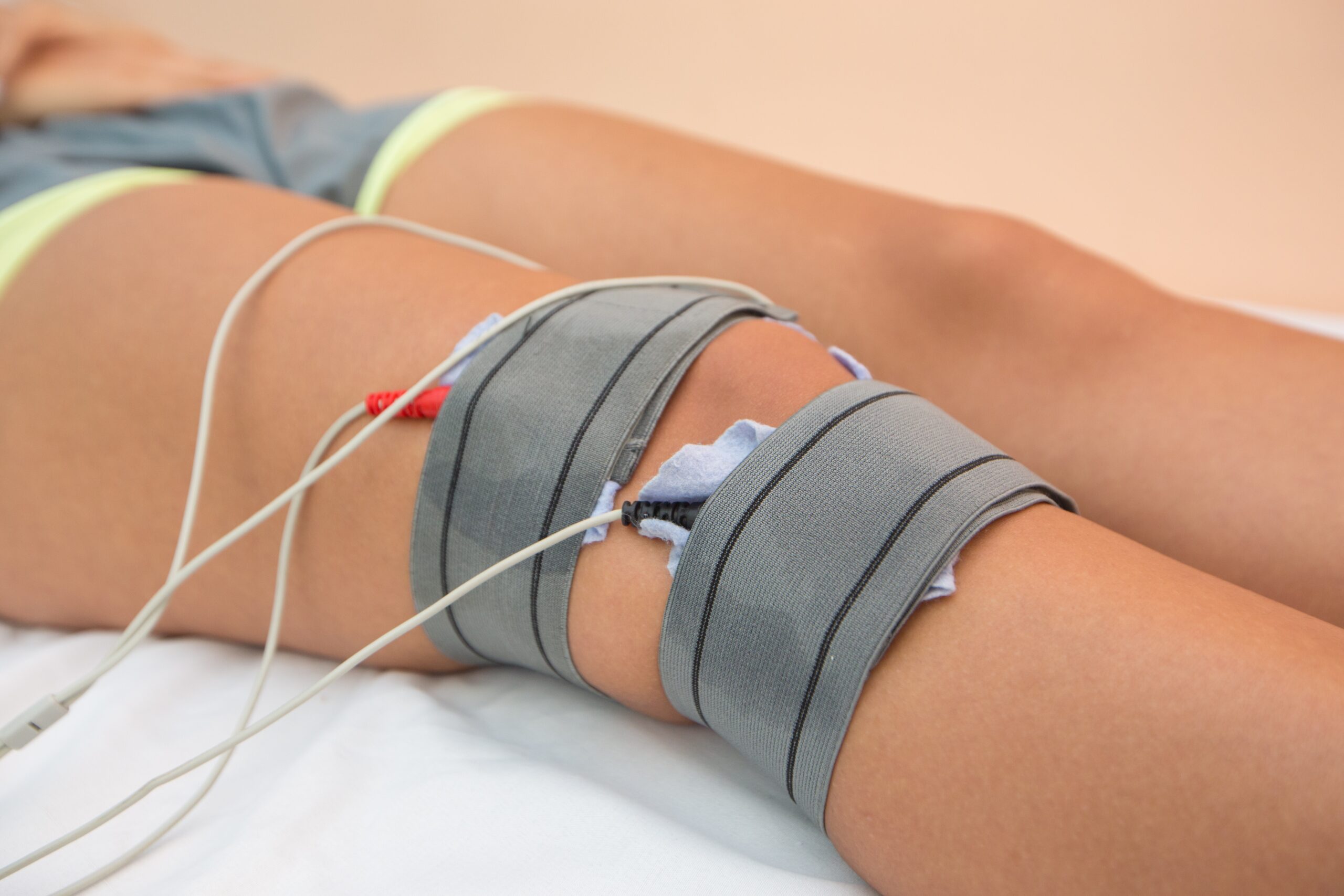
Physical recovery used to depend almost entirely on visual estimates and subjective feedback. Clinicians observed movement with the naked eye, recorded notes on paper, and adjusted care plans through trial and error. Modern clinic rooms look completely different today.
High-tech assessment tools now give practitioners exact measurements to track patient progress with high precision. Advanced hardware captures subtle biomechanical changes long before those changes become visible to the human eye. These technical tools help clinicians construct precise treatment plans for every individual.
Precision Tools Transforming Physical Care
The transition toward objective data collection gives modern clinics clearer insights into human movement during recovery. Individuals who access specialized sports injury and rehabilitation services benefit directly from these high-definition diagnostic tracking tools. Objective metrics remove subjective guesswork during initial physical evaluations.
Practitioners adjust therapy plans based on immediate numerical feedback, not general visual estimates. Patients gain clear visual evidence of their functional gains during each session. Seeing measurable improvements boosts motivation during challenging rehabilitation phases.
Digital measurements allow teams to establish clear benchmarks from the first day of care. Tracking exact numeric changes gives clinicians the data needed to justify therapeutic adjustments. Consistent measurement practices elevate the quality of care across entire physical therapy departments.
Replacing Traditional Motion Measurement
Standard manual tools served clinics for decades as primary assessment instruments. Practitioners positioned plastic tools against joints to measure flexion after surgery or physical trauma. Manual methods produced varying results depending on clinician positioning.
Small measurement errors can create confusion regarding actual joint improvements. Digital sensors eliminate manual positioning errors by recording structural movements digitally. Modern practitioners adopt digital devices to create consistent records for every clinical team member.
Digital Goniometers and Joint Mobility Tracking
Digital range of motion devices bring new standards of precision into clinical mobility evaluations. Digital goniometers achieve accurate measurements within plus or minus one degree, helping practitioners perform reliable baseline assessments. Clinicians capture instant digital readings when measuring shoulder, knee, or ankle joint angles.
Clinicians notice subtle improvements in motion range weeks earlier than older manual devices allowed. Consistent digital logs keep recovery plans moving forward with complete data transparency.
Handheld digital devices store historical movement logs directly within patient records. Quick access to historical joint angles helps staff identify subtle movement restrictions early. Precise angular metrics assist clinicians in fine-tuning daily stretching and mobility protocols. Having exact numbers helps every stretch match actual physical capacity.
Dynamic Force Plates and Motion Sensors
Force plates and body-worn sensors bring laboratory-level dynamic testing directly into clinical spaces. Specialized platforms measure ground reaction forces when patients stand, step, or jump during evaluations. Modern force systems reveal hidden weight imbalances that stay invisible during standard observations. Practitioners evaluate several distinct dynamic variables during force plate testing:
- Ground impact distribution across left and right lower limbs
- Postural sway distance during single-leg stability tests
- Explosive force production during vertical jump assessments
- Rate of force development during rapid push-off movements
Analyzing these dynamic metrics helps clinicians pinpoint subtle muscular weaknesses. Adjusting exercise routines around force data protects vulnerable joints from unnecessary strain. Rebalancing force distribution across limbs creates a solid foundation for safe movement.
Sensors clipped onto patient clothing track acceleration speeds during real-world tasks. Real-time feedback alerts clinicians when a patient favors one leg during routine exercises. Correcting movement compensations early prevents secondary strain in surrounding muscle groups.
Three-Dimensional Body Scanning in Rehabilitation
Optical scanning systems represent another major leap forward in physical evaluation technology. Modern 3D body scanners generate high-resolution digital maps of patient posture within seconds. 3D body scanning provides detailed physical assessments before therapy and offers a reliable method for tracking progress.
These optical scans record physical symmetry and posture changes across multiple treatment stages. Patients view visual 3D renders that highlight structural shifts clearly. Seeing tangible visual progress keeps individuals motivated throughout multi-month therapy schedules.
Clinicians compare baseline scans against current scans to monitor swelling reductions accurately. Visual comparisons serve as powerful educational tools during patient consultation sessions. Patients understand their anatomical progress much better when viewing full structural models.
Clinical Evidence for Digital Assessment Tools
Integrating modern technology into clinical workflows delivers measurable benefits for patient health outcomes. Digital physiotherapy interventions led to a small improvement in physical function. Objective feedback guides clinicians toward more effective exercise selections.
Data-driven therapy programs reduce reliance on subjective patient reporting. Clear evidence of functional improvement reassures patients about their recovery timeline. Clinicians adjust training loads based on real physical capacity. Exact performance metrics keep treatment plans aligned with true biological healing speeds.

Assessment technology continues to reshape modern physical therapy practices everywhere. Replacing subjective checks with precise digital metrics leads to smarter treatment choices and clearer recovery pathways.
Advanced tools give clinicians and patients total clarity throughout every stage of physical restoration. Digital assessment solutions keep recovery plans focused, precise, and individualized.







Comment