The next wave of binge-watching may be measured not in hours but in seconds. A growing cadre of creators, including Los Angeles-based producer Yaxing Lin, argue that ultra-short “mini-dramas”—episodes that run one to three minutes and are filmed in a vertical, mobile-first format—are poised to become a scalable, data-driven entertainment format that can stand alongside traditional film and television on a global stage.
Yaxing Lin, an executive producer at DramaBox, has spent the past three years overseeing a string of commercially successful mini-drama series, including Watch Out, I Am the Lady Boss, Pucked by My Brother’s Rival and Fake Dating My Rich Nemesis.
She explains why the format’s rapid production cycles, audience-centric analytics, and the evolving role of the producer make mini-dramas uniquely suited to the mobile-first media landscape.
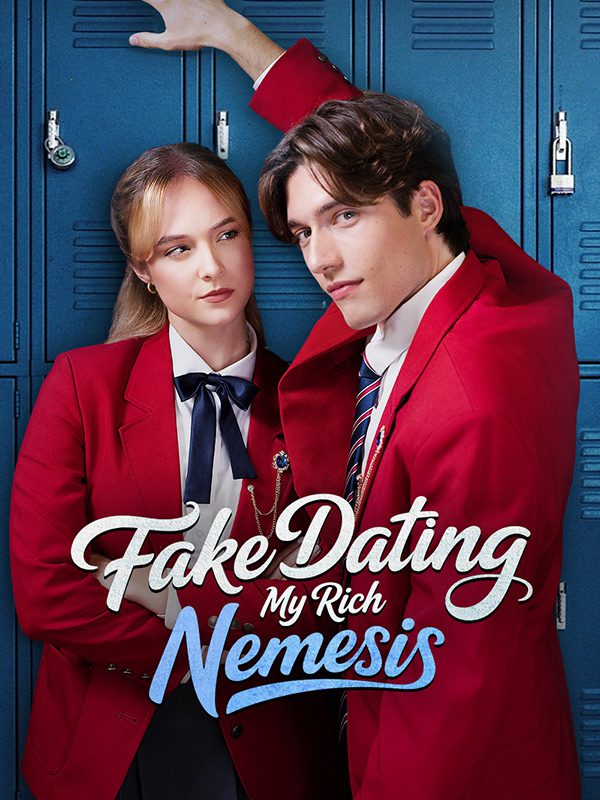
Fake Dating My Rich Nemesis Poster. Photo credit Qu Zheng
A New Narrative Blueprint
“From a production perspective, mini-dramas are fundamentally different from traditional film and television in how they are written, produced, and distributed,” Lin said.
“On the script level, mini-dramas are built around extreme narrative density. Episodes are usually one to three minutes long, often written as two to three script pages per episode, and each episode is designed to end with a strong hook.”
Unlike a 60-minute drama that builds toward a single climax, the mini-drama structure demands a micro-climax every 60 seconds.
“That structure requires writers and producers to think very differently about pacing, stakes, and audience retention,” she adds. The result is a new storytelling grammar that compresses exposition, conflict, and resolution into a compact emotional beat—a process Lin likens to “a series of micro-sprints rather than a marathon.”
The shift also extends to visual storytelling. The vertical 9:16 aspect ratio, popularized by platforms such as TikTok and Instagram Reels, forces creators to reimagine composition, blocking, and camera movement. “We’re no longer framing for a widescreen TV set; we’re framing for a phone held in the viewer’s hand,” Lin explained. “That changes everything from lighting setups to how we convey space and intimacy.”

Poster for Pucked By My Brother’s Rival. Posterr. Credit: Philips Shum
Production at Warp Speed
Traditional television can take years to move from concept to screen. Mini-dramas, by contrast, compress that timeline to weeks or months. “Production cycles are measured in weeks or months,” Lin said. “That speed allows producers to respond quickly to audience feedback and market changes, but it also demands a high level of precision and coordination across departments.”
The productions are low cost compared to other types of productions and with a burgeoning industry, it is not a trend but represents the future of mobile-first filmmaking.
Rather than relying on a single high-risk release window, mini-dramas function as scalable iterations. Each series becomes both a creative work and a learning cycle, informing the next project. That model lowers structural risk while allowing storytelling strategies to evolve in real time. From a production standpoint, this represents a shift away from long, speculative pipelines toward a more adaptive and sustainable approach to serialized storytelling.
Yaxing Lin
Data‑Driven Storytelling
When Lin says mini‑dramas are “data‑driven,” she is referring to the near‑real‑time analytics that accompany each release. “Unlike film or television, where response can take months to surface, mini‑dramas generate actionable data almost immediately after release, often within days,” she explained.
The analytics stack tracks a suite of metrics: viewer drop‑off points, average watch time, completion rates, click‑throughs on paywall prompts, and even sentiment analysis of comments. All of this information helps shape and refine how a series is developed.
“We can see where viewers abandon the story, which episodes retain attention, how different paywall structures perform, and which genres resonate most strongly with specific audiences,” Lin said. The data then informs everything from casting choices to plot twists.

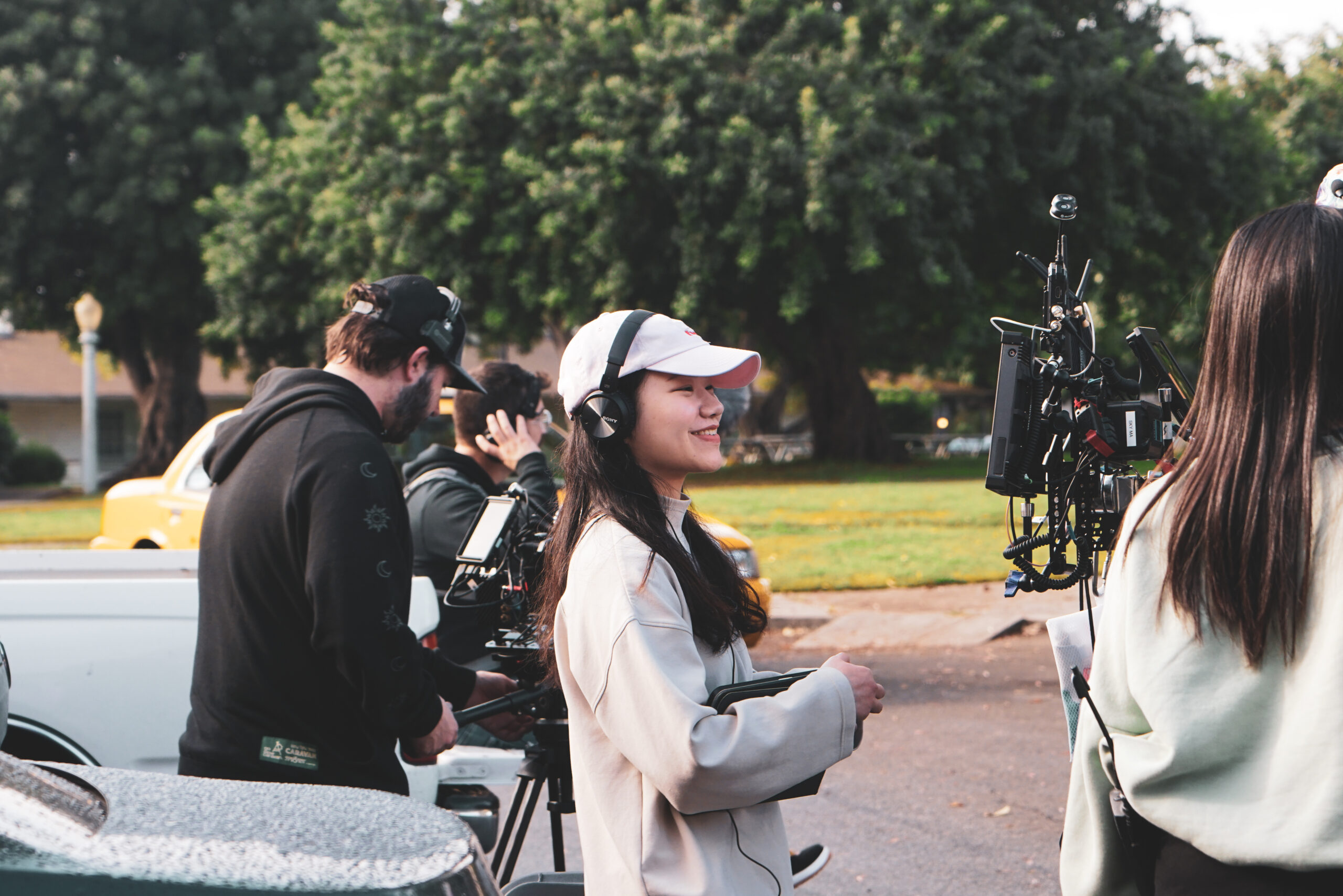
Behind-the-scenes photo from the DramaBox series Fake Dating My Rich Nemesis PC: Qu Zheng
Producers as Real‑Time Strategists
In traditional pipelines, the producer’s role is often centered on securing financing, assembling talent and supervising long‑term schedules. In the mini‑drama world, Lin argues that “speed” redefines that job description. “The market evolves quickly, sometimes month by month, and producers have to respond in real time,” she said.
She highlighted three core competencies that now dominate the modern producer’s toolkit:
Data Literacy – Understanding dashboards, interpreting viewer behavior and translating those insights into creative decisions.
Agile Project Management – Coordinating cross‑functional teams on compressed timelines, often using sprint‑style workflows borrowed from software development.
Audience‑Centric Curation – Continuously aligning the story’s emotional beats with real‑time audience sentiment, rather than relying on pre‑release market research.
“Creativity is still central, but it’s constantly informed by direct audience feedback,” Lin stressed. “Producers have to be part‑data analyst, part‑story architect, and part‑operations lead—all at once.”
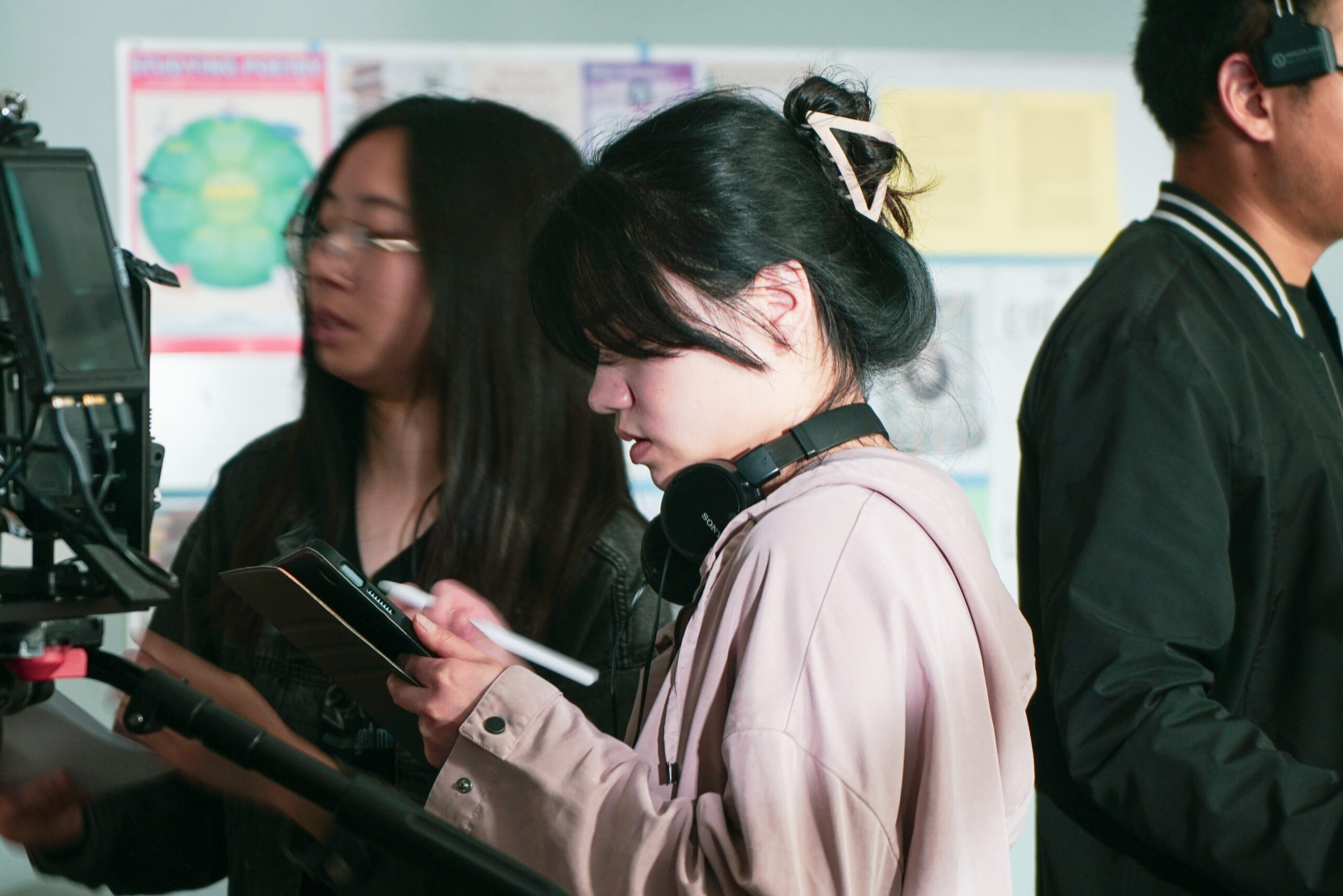
Yaxing Lin
Lessons from the 9:16 Front Line
Lin’s track record with several mini‑drama series offers concrete takeaways for other creators; first is to consider Emotion First. “Mini‑dramas move fast, so the emotional hook has to be immediate and sustained,” she said. Whether romance, revenge or comedy, the audience must feel something within the first few seconds. She also suggests that each episode must end on a strong hook that compels viewers to click the next installment. “We treat every 60‑second slot as a cliff‑hanger,” Lin explained.
Even with episodes, Lin builds layered worlds that reward repeat viewings. “We plant narrative seeds in episode one that blossom by episode five, creating a sense of continuity without requiring a long‑form commitment.”
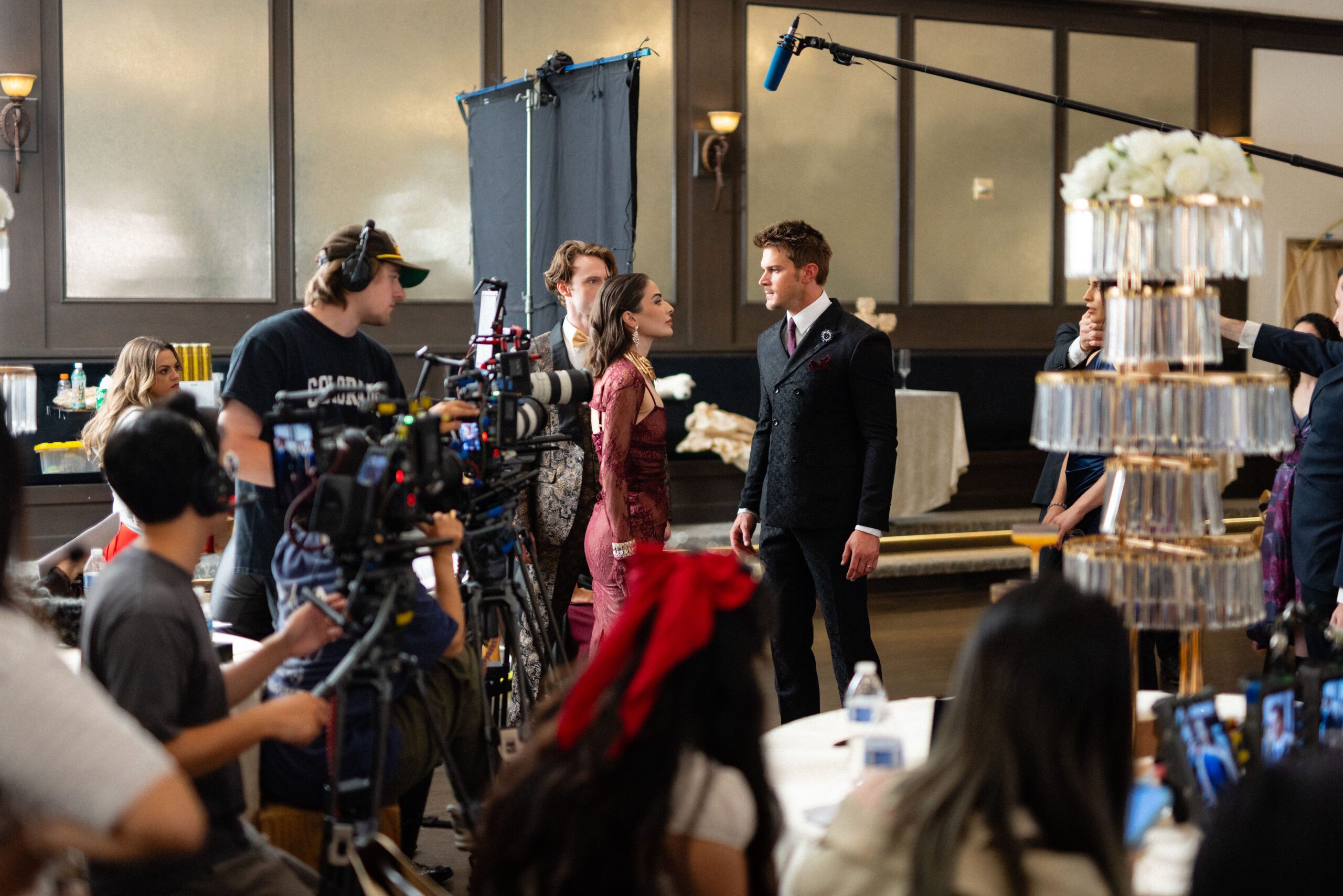
Behind-the-scenes photo from the DramaBox series Watch Out, I Am the Lady Boss. PC: Qu Zheng.
Industry Momentum
The surge in mini‑drama production is not limited to DramaBox, but other high-traffic platforms like Reelshort, Goodshort, Dramawave and other streaming platforms specific to the 9:16 format. Major social media platforms—from TikTok’s “Series” initiative to YouTube Shorts, Instagram Reels—have launched monetization tools specifically for serialized short‑form content, proving their mainstream popularity.
Analysts at Bloomberg Intelligence predict that by 2028, short‑form serialized video could account for up to 15 % of global streaming revenue, a share currently dominated by traditional long‑form series. According to a recent report from Senal News, one in 10 internet users have watched mini-dramas, with Gen Z being the largest demographic to watch the 16:9 film series.
Looking Ahead
The growth of mini-dramas reflects more than a short-term content trend. It signals a structural change in how entertainment is developed, distributed, and consumed globally. As mobile viewing continues to dominate daily media habits, formats designed specifically for speed, flexibility, and audience responsiveness will play an increasingly central role.
Mini-dramas are not replacing traditional film or television, but they are expanding the ecosystem of professional storytelling. As the market matures, the format will likely continue to diversify in genre, production value, and audience reach. What remains constant is the core principle that has always defined effective entertainment: compelling stories, told with intention, adapted to how people actually live and watch today.
Credit for first photo: Behind-the-scenes photo from the DramaBox series Pucked by My Brother’s Rival. PC: Qu Zheng.