
MES, AGV, and WMS Integration: How to Avoid Data Silos and Material Bottlenecks

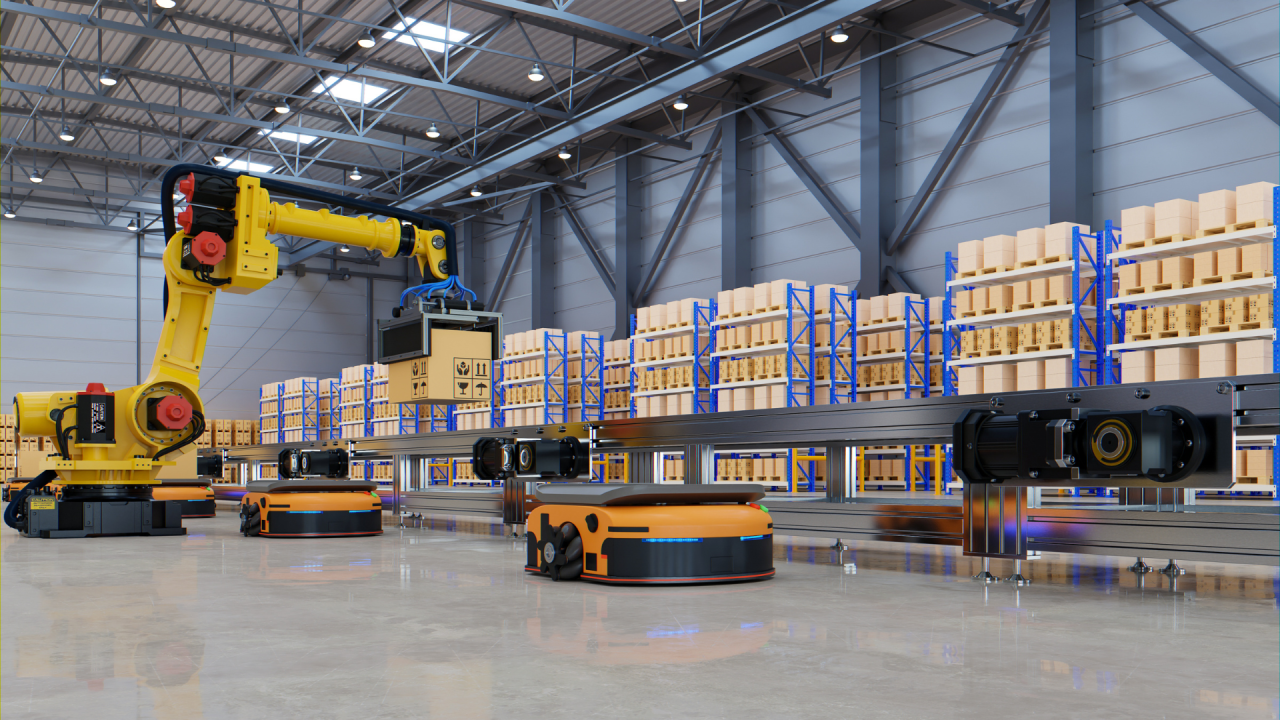
Bringing AGVs into a facility does not instantly build a fully connected factory. These vehicles can transport goods very well. However, MES, WMS, and fleet-control systems might rely on mismatched data. They might also update at uneven speeds. When this happens, facilities often face long queues and delayed drop-offs. Machines might also sit idle for no good reason. The true hurdle lies in daily alignment. You must link production goals, stock levels, and daily transport jobs. This balance must hold steady even when shop floor conditions shift.
How MES, WMS, and AGVs Work Together
MES, WMS, and AGV control handle separate pieces of one main operational puzzle. The MES outlines exact production demands and timelines. Meanwhile, the WMS tracks available supplies and their exact storage spots. Finally, the AGV system takes these digital rules and creates real physical movement. The transition between these steps is extremely important. A basic request turns into a clear warehouse action. After that, it becomes a specific transport job. Once finished, the result goes straight back to the main network. This ensures every platform operates using the most recent data.
The Role of MES in Production Coordination
MES connects production planning with shop-floor execution. Because schedules, line priorities, and material requirements can change during a shift, transport demand cannot rely only on a fixed sequence. When MES shares updated production status with AGV control, delivery tasks can be reprioritized around actual line conditions.
The Function of WMS in Material Flow Management
WMS tracks quantities, storage locations, and material movements, then converts that information into pickup and delivery requirements. It can confirm that requested material is available before a task is released and update inventory after completion, reducing the gap between the digital record and the material’s physical location.
The Contribution of AGVs to Smart Logistics
AGVs execute the physical move between storage areas, buffers, and production lines. Path planning, task dispatching, and obstacle avoidance matter, but a fleet becomes truly useful when assignments reflect live production and inventory demand and task results are returned to the systems that requested the move.
Integration Points That Matter Most
Most MES-WMS-AGV problems show up at the interfaces, not inside the individual platforms. Project teams need to settle three questions early: which system owns each data item, when that information is updated, and what happens if a message is delayed, duplicated, or rejected. In practice, the highest-risk areas are data synchronization, transport-task dispatching, and feedback from logistics back into production.
Data Synchronization Between MES and WMS
MES and WMS need a consistent view of inventory, consumption, and production progress. APIs, middleware, or shared interfaces can remove duplicate entry, but the design should also define the source of truth for each field. Adding AGV task status to the same flow strengthens traceability across production and warehouse operations.
Task Dispatching Between WMS and AGV Systems
A transport request should have a clear lifecycle: creation, vehicle assignment, execution, completion, and confirmation. WMS can send the request to the AGV fleet-control layer, which selects a vehicle and route. After delivery, the completion message should update the relevant inventory or order record automatically. Fleet control may also need to coordinate elevators, automated doors, and other peripheral infrastructure along the route.
Production Feedback Between MES and AGVs
The information flow should not end when the AGV receives a task. MES can use task progress and delivery status to see whether material is reaching the line as expected. If a delivery slips, production teams can react before the issue becomes prolonged machine waiting or a line stoppage.
Why Communication Quality Determines Automation Performance
A factory can own capable MES, WMS, and AGV platforms and still have poor material flow if the systems are not synchronized. Routing congestion, shortages, and idle equipment may look like logistics problems, yet the root cause can be stale or inconsistent information. Good integration gives production, warehouse, and logistics teams the same operational picture—and a clearer basis for deciding what to do next.
Real-Time Visibility Across Operations
A useful dashboard should answer practical questions without forcing managers to open several applications: Is material available? Has a task been released? Which vehicle is handling it? Is delivery on schedule? Digital-twin tools can add a 3D view, but only when the visualization is tied to reliable MES, WMS, and fleet data.
Error Reduction Through Automated Data Exchange
Direct system-to-system exchange reduces the manual steps where records can diverge. Automated validation can reject incomplete or inconsistent messages before they affect inventory, orders, or material-transfer records. Synchronized status changes also provide a cleaner trail when teams need to investigate a delay or mismatch.
What Makes an Integration Project Work
Successful deployment depends on more than connecting APIs. IT specialists, automation engineers, equipment teams, and supply-chain planners need to agree on workflows, data ownership, exception handling, and testing criteria before go-live. Cross-functional review is essential because an apparent software failure may actually be an equipment constraint or an undefined business rule.
Establishing Unified Communication Protocols
Protocols such as OPC UA or MQTT can simplify connectivity where they fit the application, but a standard protocol does not fix an unclear data model. Teams still need defined message structures, task states, acknowledgements, fault handling, and interface ownership. Those rules should be tested under realistic operating conditions, including delayed responses and failed transactions, rather than only ideal test sequences.
Developing Scalable System Architectures
Integration architecture should leave room for change. Plants may add vehicles, production lines, warehouse zones, or software functions after the first deployment. A modular design makes those additions easier without rebuilding the entire framework and also supports later expansion across multiple facilities.
Training Teams for Cross-System Operational Awareness
Operators do not need to become software engineers, but they do need to understand the shared workflow. Training should cover dashboards, alerts, handoff points, and basic troubleshooting so teams know which system or interface to check first when material flow no longer matches the production plan.
What Manufacturers Can Expect After Integration
The gains from integration are operational: faster response to changing priorities, less manual coordination, and stronger traceability. These benefits come from coordinating MES, WMS, and AGV decisions as one workflow rather than optimizing each platform in isolation.
Enhanced Operational Agility
When production priorities change, an integrated environment can pass that change into warehouse and transport operations with less delay. AGV tasks can be reassigned, routes adjusted, and delivery points changed without rebuilding the logistics plan.
Improved Resource Utilization
Automating repetitive transport reduces routine material-handling work. Shared operating data also gives planners a better basis for balancing labor, vehicles, and equipment, allowing people and automation to be used where each contributes the most value.
Increased Traceability Across the Supply Chain
A connected data trail makes it easier to follow material from receipt through production and shipment. Inventory updates can be linked to actual transport events, while production records can show whether required material arrived when expected.
Selecting the Right Integration Partner
Technology selection matters, but implementation capability matters just as much. An integration partner should understand software interfaces, mobile robots, peripheral equipment, and production workflows as one operating system. Wesar Intelligence Co., Ltd provides smart-factory solutions spanning mobile-robot applications, software integration, equipment engineering, project deployment, and technical support. Manufacturers should evaluate whether a provider can translate site requirements into an interoperable, maintainable architecture—not simply supply individual products.
Conclusion
MES, WMS, and AGV integration is about closing the gap between digital decisions and physical material movement. Clear data ownership, reliable interfaces, realistic testing, scalable architecture, and cross-functional operating knowledge all contribute to that goal. When these pieces are designed together, manufacturers are less likely to create new data silos as automation expands.
Planning a smart-factory upgrade? Wesar Intelligence’s integration team can review your current MES, WMS, and AGV environment and help outline an integration roadmap around your existing systems and site requirements.
FAQs
1. What challenges typically arise during system integration?
Frequent problems involve unmatched interfaces. Data ownership might be confusing. Furthermore, message formats often clash. Also, testing sometimes fails to mirror actual working environments. Any of these factors can cause synchronization trouble. This happens even if each individual platform functions perfectly by itself.
2. How long does it take to integrate an AGV system with existing MES/WMS platforms?
There is no single set timeline. The size of the facility plays a big role. Interface complexity also matters. The current state of existing systems and the overall commissioning scope will impact the schedule. A properly organized project might last a few weeks. It could also stretch to a couple of months. Ultimately, the exact timeframe relies on your specific site and its unique integration needs.
3. Can legacy systems be adapted for integration with modern automation platforms?
In many cases, yes. Middleware and protocol adapters can connect older setups with newer automation systems. This approach helps manufacturers expand their current infrastructure. They can do this without swapping out the whole production or warehouse technology stack all at once.






Comment