
Memory Prices Are Making Smartphones More Expensive. Amazon’s New Film Asks: Kiska Wait?

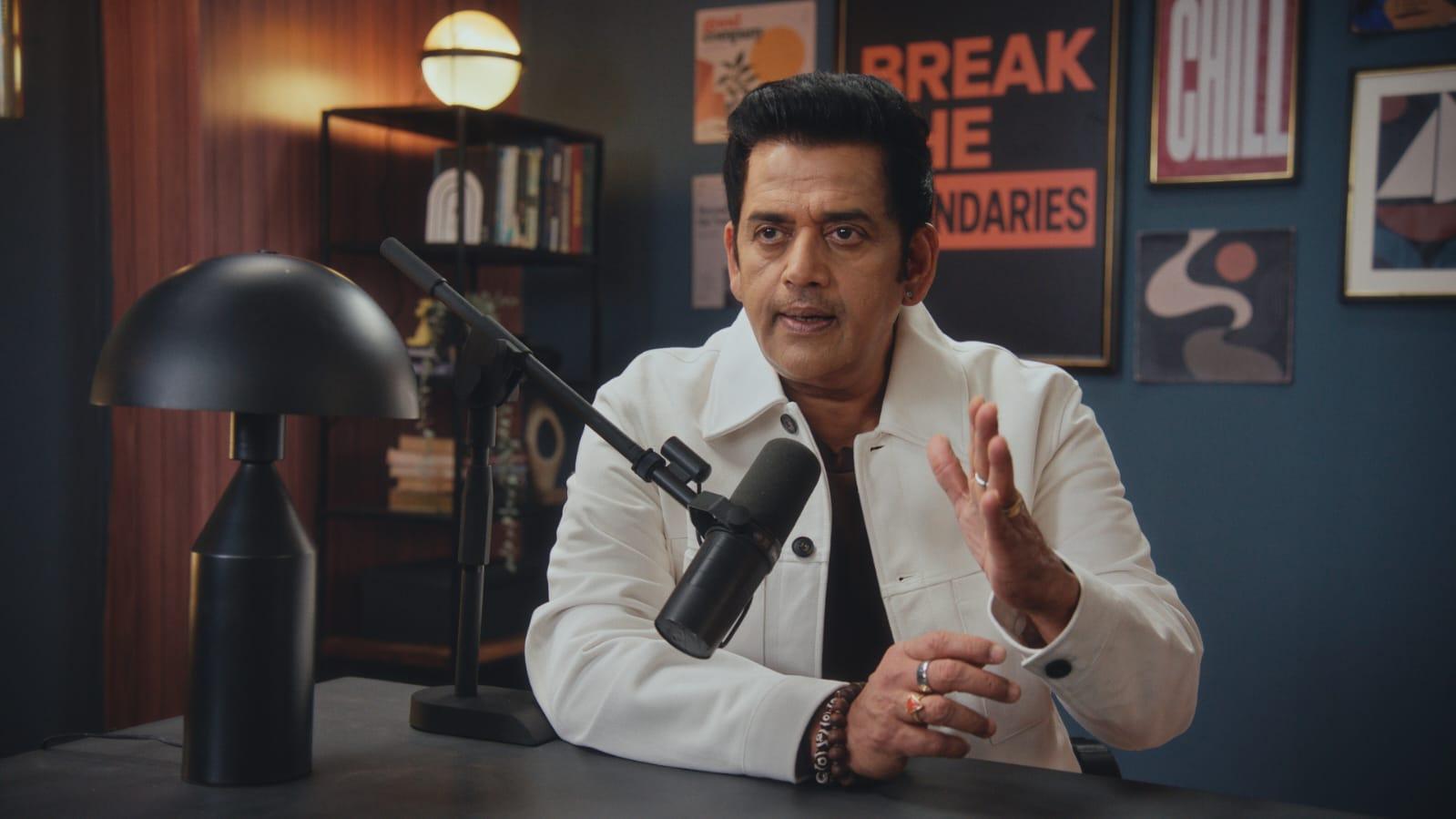
The next time a smartphone gets more expensive, the reason may have less to do with the phone itself and more to do with what is inside it.
Memory has emerged as one of the biggest cost pressures for smartphone manufacturers in 2026, with soaring DRAM and NAND prices reshaping the economics of the device business. Counterpoint Research says smartphone memory prices rose by more than 80% quarter-on-quarter in Q2 2026, while DRAM has overtaken the processor as the most expensive individual component in some premium smartphone configurations.
India has felt the impact particularly sharply. Counterpoint estimates that smartphone retail prices in the country have risen 21% on average in 2026, the highest increase among the markets it tracks. The low- and mid-range segments, which make up a significant portion of India’s smartphone market, are particularly exposed because manufacturers have less room to absorb higher component costs.
The effect is already visible in consumer behaviour. India’s smartphone shipments fell 10% year-on-year in the June quarter, with affordability pressures and repeated price increases weighing on demand. Counterpoint also found that while 46% of consumers planning to buy a smartphone would be willing to stretch their budget if prices rise, around one-fourth would delay their purchase.
So, naturally, there is another question hanging over the market: what happens if you wait?
That is where Amazon’s latest Great Indian Festival campaign finds its opening.
The new ad film takes the increasingly complicated smartphone pricing story and turns it into a mock breaking-news event. Its premise revolves around the possibility of smartphone prices rising by up to 20% in 2027, with memory costs emerging as a key factor.
Instead of presenting another technical explainer about semiconductor supply chains, the film goes full news-channel drama, with Ravi Kishan at the centre of the chaos. The exaggerated reporting, urgent graphics and theatrical reactions turn what could easily be a dry industry story into a consumer-facing joke.
Its punchline is summed up in two words: “Kiska wait?”
The line works because the underlying dilemma is real. Memory supply is expected to remain a source of cost pressure into 2027, although the exact pricing trajectory remains uncertain. TrendForce expects AI-server demand to keep the DRAM market tight, while noting that the outlook for NAND prices remains more mixed.
Amazon uses that uncertainty as the setup for a much simpler proposition: if you’re already considering an upgrade, is waiting necessarily going to work in your favour?
The Great Indian Festival then becomes the practical answer to that question, bringing the conversation from semiconductor economics back to the consumer and the smartphone they actually want to buy.
In that sense, the film is less about explaining why memory prices are rising and more about translating a complicated piece of technology news into a very familiar shopping dilemma.
The semiconductor industry can debate DRAM supply, NAND pricing and AI infrastructure.
Amazon’s question is considerably simpler:
Kiska wait?






Comment