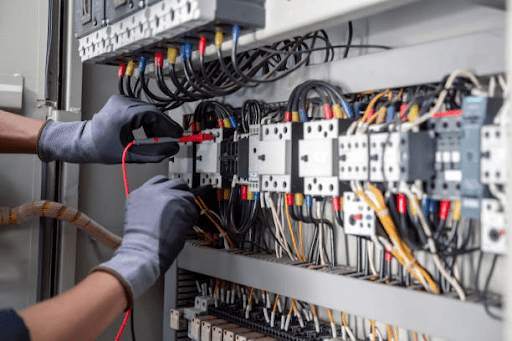
Medium voltage switchgear plays a vital role in the safe and efficient distribution of electrical power across industrial, commercial, and utility networks. From manufacturing facilities and data centers to substations and infrastructure projects, medium voltage switchgear ensures seamless power flow, equipment protection, and operational reliability. However, like any power distribution asset, it requires disciplined maintenance to prevent failures, enhance safety, and extend service life.
In this article, we explore essential medium voltage switchgear maintenance practices, their importance, common issues, and how improving maintenance strategies strengthens overall system performance.
Understanding the Importance of Medium Voltage Switchgear Maintenance
Medium voltage switchgear—typically operating between 1 kV and 36 kV—is responsible for controlling, protecting, and isolating electrical equipment. Over time, environmental conditions, electrical stress, mechanical wear, and system loading can degrade switchgear performance. Without proper maintenance, these issues lead to unexpected downtime, arc flashes, equipment malfunctions, and even catastrophic failures.
Effective medium voltage switchgear maintenance ensures:
- Higher reliability of power systems
- Reduced risk of electrical hazards
- Improved equipment lifespan
- Compliance with industry safety standards
- Lower repair and replacement costs
- Minimized downtime and productivity loss
Whether the equipment is gas insulated switchgear (GIS), metal-enclosed switchgear, or hybrid systems, proper maintenance is essential for stable long-term performance.
Common Problems Found in Medium Voltage Switchgear
Before discussing maintenance practices, it’s important to understand the typical issues that arise in switchgear systems:
1. Dust, Moisture, and Contamination
Dust and moisture buildup can lead to insulation failure, corrosion, overheating, and short circuits. Outdoor medium voltage switchgear is especially vulnerable to humidity and environmental contaminants.
2. Loose Electrical Connections
Over time, thermal cycling causes connections to loosen, creating hot spots, voltage drops, and increased risk of fire or arcing.
3. Worn Contacts & Mechanisms
Circuit breakers, disconnect switches, and contactors experience wear through repeated operations, which can affect their interrupting capabilities.
4. Insulation Degradation
Age, temperature, and electrical stress can degrade insulation materials, reducing dielectric strength and increasing failure risk.
5. Partial Discharge Activity
Partial discharge is an early indicator of insulation breakdown in medium voltage systems. Left untreated, it leads to major equipment failure.
6. Corrosion on Metal-Enclosed Components
Metal-enclosed switchgear, though durable, is susceptible to corrosion if seals or ventilation are compromised.
Identifying these issues early through maintenance prevents severe system interruptions and safety hazards.
Essential Medium Voltage Switchgear Maintenance Practices
Medium voltage switchgear maintenance can be categorized into preventive, predictive, and corrective actions. Below are the essential practices to help maintain system reliability and safety.
1. Visual Inspection & Physical Condition Assessment
Routine inspections are the foundation of switchgear maintenance. Technicians should look for:
- Dust accumulation
- Corrosion on metal-enclosed switchgear
- Loose hardware and connections
- Water ingress or moisture traces
- Deteriorating gaskets or seals
- Overheating marks or discoloration
- Mechanical obstructions
Visual inspections help detect early-stage problems before they escalate.
2. Cleaning and Environmental Control
Environmental factors play a huge role in medium voltage switchgear performance. Maintenance teams should:
- Clean dust, dirt, and debris from enclosures
- Ensure proper ventilation and cooling
- Check humidity levels inside enclosed switchgear
- Maintain outdoor cabinets to prevent rust and moisture
If environmental conditions are poor, consider adding heaters, dehumidifiers, or better sealing solutions.
3. Tightening Electrical Connections
Loose electrical connections are a leading cause of overheating and arc faults. During maintenance:
- Inspect all bolted and crimped connections
- Re-torque according to manufacturer guidelines
- Check grounding systems
- Inspect cable terminations for wear
This simple step significantly improves reliability and reduces the chance of catastrophic failure.
4. Testing Circuit Breaker Mechanisms
Circuit breakers are the heart of medium voltage switchgear. Their mechanical and electrical performance must be tested regularly:
- Perform contact resistance testing
- Verify opening and closing speeds
- Inspect operating mechanisms for lubrication
- Test trip settings and relay coordination
- Measure insulation resistance
Mechanical testing ensures the breaker can operate safely during fault conditions.
5. Insulation Testing & Partial Discharge Measurement
Insulation strength determines the safety of medium voltage systems. Maintenance should include:
- Insulation resistance tests (megger tests)
- Dielectric withstand tests
- Partial discharge (PD) tests
- Infrared thermography to detect hot spots
Partial discharge testing is especially important for medium voltage gas insulated switchgear and aging metal-enclosed switchgear.
6. Lubrication of Moving Components
Switchgear contains moving parts such as:
- Breaker mechanisms
- Disconnect switches
- Interlock systems
- Spring-charging mechanisms
Proper lubrication prevents wear, reduces friction, and ensures smooth operation.
7. Protective Relay Testing and Calibration
Protective relays ensure that faults are cleared quickly to maintain system safety. Over time, these relays can drift from factory settings.
Maintenance teams should:
- Test relay pickup and dropout values
- Verify time-current characteristics
- Check communication modules
- Confirm relay logic functions
Accurate relay operation protects switchgear equipment and downstream loads.
8. Monitoring Gas Pressure in GIS Switchgear
For medium voltage gas insulated switchgear, maintaining SF6 or alternative gas pressure is critical. Maintenance should:
- Check gas pressure regularly
- Inspect for leaks
- Monitor density meters
- Verify alarm and trip functions for low-pressure conditions
Stable gas pressure ensures reliable insulation and arc-quenching performance.
9. Updating Documentation & Maintenance Records
Accurate record-keeping improves long-term reliability. Technicians should document:
- Inspection findings
- Test results
- Repairs and replacements
- Environmental conditions
- Equipment age and operational history
These records support predictive maintenance strategies and improve future planning.
Predictive Maintenance for Modern Switchgear Systems
Modern switchgear solutions increasingly rely on predictive maintenance technologies that detect issues before failure occurs. This includes:
- Thermal imaging cameras for hot spot detection
- Partial discharge sensors for insulation health
- Real-time condition monitoring systems integrated into switchgear
- IoT-based diagnostics for continuous data collection
Predictive maintenance reduces downtime, extends equipment lifespan, and lowers operational costs by addressing faults early.
How Regular Maintenance Improves System Reliability and Safety
Proper medium voltage switchgear maintenance delivers significant long-term benefits:
1. Enhanced System Reliability
Reducing failures ensures stable operations, especially important for critical facilities like hospitals, data centers, and manufacturing plants.
2. Increased Safety
Maintenance minimizes risks of arc faults, electrical fires, and shock hazards.
3. Lower Operational Costs
Proactive maintenance costs far less than emergency repairs or equipment replacement.
4. Longer Equipment Life
Well-maintained switchgear can operate safely for decades, maximizing asset value.
5. Better Compliance
Regular maintenance supports compliance with electrical safety standards and industry regulations.
Conclusion
Medium voltage switchgear is a critical component in modern power distribution networks, and its reliability depends heavily on consistent and well-planned maintenance. By conducting routine inspections, testing key components, monitoring insulation health, ensuring proper environmental conditions, and adopting predictive maintenance technologies, facilities can significantly improve system performance, enhance safety, and reduce long-term operational costs. For more insights and detailed guides, users can also explore updates on the blog page to stay informed about best practices and emerging trends.
Implementing these essential medium voltage switchgear maintenance practices helps maintain the stability and safety of electrical systems, ensuring equipment remains fully functional and ready to handle operational demands.