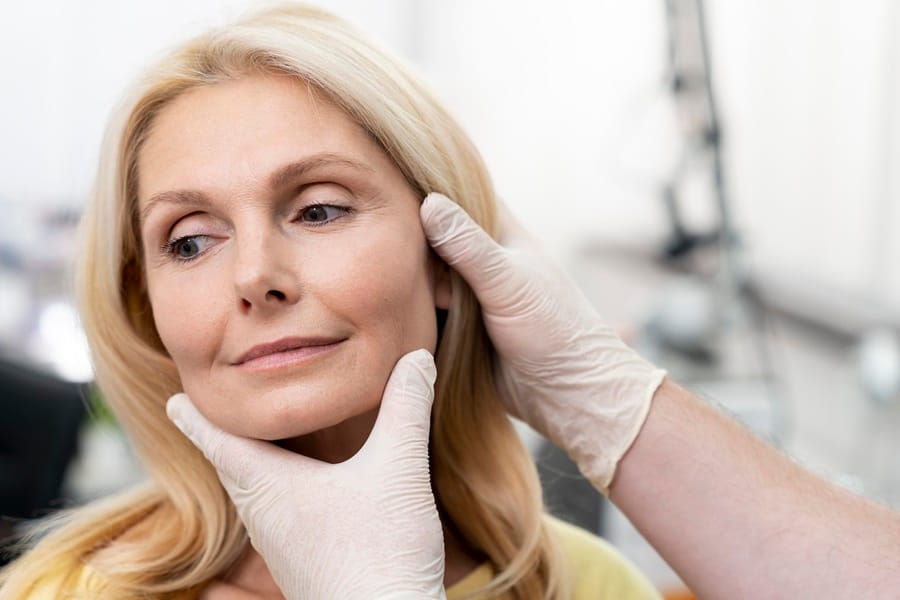
Medical aesthetic clinics are now a central part of modern cosmetic care, offering non-surgical treatments that improve skin health, facial balance, and overall confidence. As demand for these services continues to grow, so does the number of clinics entering the market.
For patients, this growth has created a new challenge. The issue is no longer access. It is knowing which medical aesthetic clinics operate at a high professional standard and which ones fall short.
Understanding how to evaluate quality, safety, and clinical credibility is essential before choosing where to receive aesthetic care.
What Are Medical Aesthetic Clinics?
Medical aesthetic clinics are healthcare facilities that provide cosmetic treatments under medical supervision. These clinics commonly offer services such as injectables, laser treatments, skin resurfacing, body contouring, and regenerative therapies.
Unlike traditional spas, medical aesthetic clinics operate within a clinical framework. Treatments are either performed by licensed medical professionals or supervised by a qualified medical director. This distinction matters because aesthetic procedures, while often minimally invasive, still carry medical risks.
The defining factor of a medical aesthetic clinic is not the treatments listed on its website, but the level of medical oversight guiding patient care.
Why Medical Oversight Is Critical in Aesthetic Care
One of the most important indicators of a reputable medical aesthetic clinic is active medical leadership. Clinics that prioritize safety and outcomes are overseen by board-certified physicians or experienced medical directors who establish protocols, review cases, and intervene when needed.
Medical oversight ensures that patients are properly evaluated before treatment, especially when it comes to contraindications, medication interactions, or underlying conditions that may affect results or safety.
Clinics without visible or meaningful physician involvement often rely on volume-based models that prioritize speed over individualized care. This approach increases the risk of complications and inconsistent outcomes.
Provider Training Matters More Than Devices
Technology is frequently highlighted in aesthetic marketing, but advanced devices alone do not guarantee quality results. In medical aesthetics, outcomes depend heavily on the training, experience, and anatomical knowledge of the provider performing the treatment.
High-quality medical aesthetic clinics invest in continuing education and clearly disclose who performs procedures and what credentials they hold. They understand that even the most advanced laser or injectable product requires clinical judgment to be used safely and effectively.
Patients should feel comfortable asking about provider experience, certifications, and supervision. Transparency in these areas is a strong indicator of professional integrity.
Patient Evaluation and Ethical Treatment Planning
Reputable medical aesthetic clinics follow structured consultation processes that prioritize patient education and realistic expectations. Not every patient is a good candidate for every treatment, and ethical clinics are willing to decline procedures that are unlikely to produce safe or satisfactory results.
This patient-first approach often includes detailed consultations, informed consent, and clear post-treatment follow-up plans. Clinics that rush consultations or avoid discussing risks should raise concern.
Consistency in care standards is a hallmark of clinics that take long-term outcomes seriously.
The Role of Safety Standards and Clinical Protocols
Safety in medical aesthetics extends beyond the treatment itself. It includes infection control, emergency preparedness, proper documentation, and adherence to regulatory guidelines.
High-quality medical aesthetic clinics maintain clear protocols for managing adverse events and complications, even if those events are rare. This preparedness reflects a clinic’s commitment to patient well-being rather than marketing appeal.
Patients benefit most when clinics view aesthetic treatments as part of healthcare, not retail transactions.
Why Reviews Alone Are Not Enough
Online reviews can offer insight into patient experience, but they are an incomplete measure of clinical quality. Reviews often reflect customer service or short-term satisfaction rather than long-term outcomes, technical skill, or safety standards.
In the aesthetic space, popularity does not always correlate with clinical excellence. This gap has made it difficult for patients to objectively compare medical aesthetic clinics based on meaningful criteria.
Independent evaluation and verification play an increasingly important role in helping patients navigate these decisions.
Independent Verification in Medical Aesthetics
As the industry grows, third-party verification has emerged as a valuable resource for patients seeking trustworthy information. Platforms such as World’s Leading Clinics help identify medical aesthetic clinics that meet defined standards for credentials, safety practices, outcomes, and professional transparency.
Independent verification shifts the focus from marketing claims to measurable standards of care. This approach allows patients to make more informed decisions and encourages clinics to maintain high professional benchmarks.
Choosing a Medical Aesthetic Clinic Is a Healthcare Decision
Although many aesthetic treatments are elective, they are still medical procedures. Choosing a clinic should involve the same level of diligence as selecting any healthcare provider.
Patients are best served when they look beyond price promotions and social media presence, and instead evaluate medical oversight, provider qualifications, ethical practices, and safety protocols.
As awareness continues to grow, medical aesthetic clinics that prioritize transparency, education, and patient safety will define the future of the industry.
The Future of Medical Aesthetic Clinics
The medical aesthetics field is evolving rapidly, with increasing emphasis on evidence-based care, professional accountability, and patient education. Clinics that embrace these values are setting new standards for quality and trust.
For patients, understanding what separates reputable medical aesthetic clinics from the rest is the first step toward safer, more satisfying outcomes. Independent resources, professional oversight, and informed decision-making will continue to shape how aesthetic care is delivered and experienced.