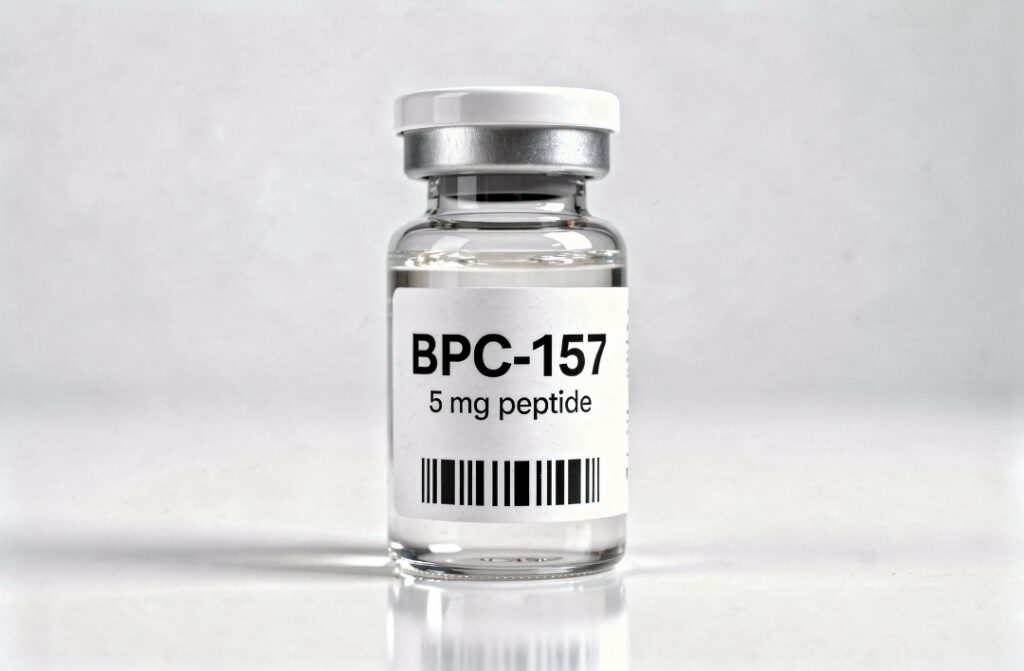
Research reliability can decline before testing even begins. Peptide identity, purity, packaging, and storage conditions all influence material quality. For researchers comparing options to buy BPC-157 UK, supplier documentation deserves careful scrutiny before purchase. Proper handling then protects the verified material from avoidable degradation. A sound process therefore connects supplier records, analytical evidence, storage discipline, and controlled preparation from the beginning.
Verified Documentation Establishes Material Confidence
A credible peptide record should identify more than product name. Batch numbers, stated purity, analytical methods, and manufacturing details provide useful traceability. Certificates of analysis deserve comparison against the physical label. Discrepancies can signal handling errors, documentation gaps, or unsuitable material.
For stronger verification, researchers should check:
- The batch number matches supplied documentation.
- Reported purity includes a defined analytical method.
- Testing dates remain relevant to the material.
- Packaging identifies concentration and quantity clearly.
- Storage instructions accompany the supplied product.
Documentation cannot replace independent judgment. However, complete records make later discrepancies easier to investigate.
Which Purity Indicators Deserve Attention?
Purity percentages can look impressive without explaining analytical limitations. HPLC results provide useful separation data, while mass spectrometry can support identity confirmation. Neither measurement answers every question alone. Researchers should consider method suitability, reported impurities, sample preparation, and batch traceability together.
A practical comparison resembles checking laboratory glassware before an experiment. A clean appearance helps, but measured specifications provide stronger assurance. The same principle applies when assessing peptide material intended for controlled research work.
Storage Conditions Protect Peptide Integrity
Storage starts immediately after receipt. Temperature exposure, moisture, light, and repeated handling can affect sensitive research materials. Lyophilized material requires different considerations from prepared solutions. Each container should follow its documented storage requirements rather than relying on generic assumptions.
A disciplined storage routine can include:
- Record receipt date and batch details.
- Keep containers protected from unnecessary light.
- Minimize repeated temperature fluctuations.
- Use clean handling practices during preparation.
- Separate opened material from unopened stock.
For comparative studies involving CJC-1295 ipamorelin, consistent storage practices become especially important. Controlled conditions reduce one source of variation before laboratory measurements begin.
Could Handling Errors Distort Research Results?
Yes, because material condition can influence experimental consistency. Repeated warming and cooling may create avoidable uncertainty. Excessive handling can also introduce contamination risks. Poorly documented preparation makes later troubleshooting harder.
Clear labeling solves part of this problem. Each container should carry an identifiable batch reference, preparation date, and relevant storage information. Researchers can then distinguish material differences from procedural differences when results diverge.
That distinction matters during repeated experiments. Reliable records turn an unexplained result into an investigable event.
What Makes A Storage Log Useful?
A useful log captures events that could affect material condition. Simple records often provide enough detail for laboratory review without creating unnecessary administrative work.
A practical entry can record:
- When material arrived at the facility.
- Where the container was stored.
- When preparation occurred.
- Which batch entered an experiment.
- Any notable temperature excursion.
Digital records can improve traceability when multiple researchers handle materials. Paper logs remain workable when entries stay legible and consistent. The important factor is continuity from receipt through final use.
Batch Records Create Stronger Research Evidence
Careful peptide verification has value beyond initial quality control. A complete chain of records helps researchers interpret unexpected findings with greater confidence. When purity documentation, storage history, and experimental notes align, material-related uncertainty becomes easier to separate from experimental variation.
The key insight is simple: research quality depends partly on what happens before measurement. A well-labeled container, matched batch certificate, and documented storage history can become valuable evidence months later. In that sense, the smallest record may protect the largest conclusion.
FAQs
What should a peptide certificate contain?
A useful certificate should identify the batch and reported purity. Analytical methodology and testing information add important context.
Why does peptide storage matter?
Sensitive research materials can change under unsuitable conditions. Stable storage helps preserve material characteristics between receipt and testing.
Is HPLC enough for purity verification?
HPLC can provide valuable separation and purity information. Additional analytical techniques may strengthen identity assessment.
Why record temperature excursions?
Unexpected temperature exposure can complicate later interpretation. A documented excursion helps researchers assess possible material-related variation.