Introduction
For many people, the idea of building fitness immediately brings to mind running, jumping, or high-intensity workouts. While these methods are effective, they can be hard on the joints, muscles, and connective tissues, especially over the long term or for those with pre-existing conditions. High-impact exercises may lead to knee pain, ankle sprains, or stress fractures, making it difficult to maintain a consistent routine.
Low-impact conditioning provides an alternative, allowing improvement in cardiovascular fitness, muscular strength, and endurance without placing excessive stress on the joints. These exercises preserve mobility, reduce injury risk, and support longer, more sustainable training over months and years. They also emphasise functional fitness, improving strength, balance, and stability that carry over to everyday life.
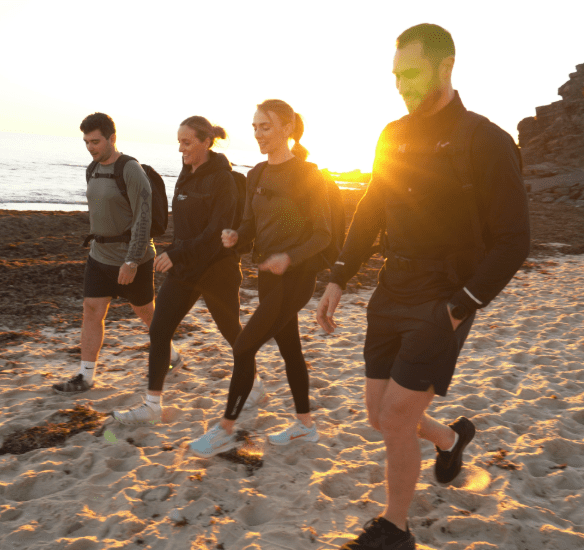
The beauty of low-impact training is that it works for all ages, abilities, and fitness levels. Beginners, older adults, and people recovering from injury can all benefit, while experienced athletes can use low-impact methods for recovery, cross-training, or joint preservation. Exercises such as weighted walking, commonly known as rucking, swimming, cycling, rowing, and elliptical training offer measurable gains in strength and cardiovascular health while remaining gentle on the body.
This article explores the principles, options, and benefits of low-impact conditioning. It provides practical strategies for building fitness without running or high joint stress, helping to create a safe, effective, and sustainable routine that supports long-term health, functional strength, and overall well-being.
Why Low-Impact Training Matters
High-impact exercises such as running, plyometrics, or jump-heavy routines are effective for cardiovascular conditioning and muscle engagement, but they place substantial stress on joints, tendons, and ligaments. Over time, repetitive impact can lead to injuries including tendonitis, plantar fasciitis, knee pain, or stress fractures. For many people, especially those with joint concerns, older adults, or individuals recovering from injury, these risks may outweigh the benefits of traditional high-impact cardio.
Low-impact conditioning reduces joint stress while still providing meaningful cardiovascular and muscular benefits. Activities such as walking, swimming, cycling, elliptical training, and weighted walking or rucking allow people to train the heart, lungs, and muscles without overloading the knees, hips, or ankles.For individuals choosing weighted walking or rucking as their training method, using a properly designed rucking backpack helps distribute load evenly across the body, supporting posture, stability, and spinal alignment while reducing unnecessary strain during movement.
Beyond physical safety, low-impact training encourages adherence because it is easier to remain consistent when exercise does not leave the body sore, injured, or discouraged. Additional benefits include:
- Sustainable longevity: Low-impact methods are easier to perform consistently over decades, supporting long-term health.
- Reduced recovery time: Muscles and joints recover faster, enabling more frequent training sessions.
- Functional transfer: Movements such as weighted walking reflect natural daily patterns, including carrying loads, walking long distances, maintaining posture, and supporting balance, improving strength and stability for everyday life.
Cardiovascular Benefits Without Running
Many people equate cardiovascular fitness with running, but low-impact exercises can improve heart and lung health just as effectively. The principle is simple: elevate the heart rate consistently within your target zone while sustaining effort over time.
Activities such as weighted walking (often referred to as rucking), swimming, cycling, or rowing achieve this by combining moderate intensity with longer durations. Key cardiovascular benefits include:
- Improved heart function: Low-impact conditioning strengthens cardiac output without subjecting the heart to abrupt stress spikes that high-impact exercise can cause.
- Enhanced blood circulation: Continuous, joint-friendly movement promotes better blood flow, reduces cardiovascular strain, and improves recovery.
- Increased aerobic capacity: Over weeks of consistent training, VO₂ max improves, allowing longer periods of sustained effort with lower perceived exertion.
Additionally, low-impact cardio is more inclusive. Older adults, people with obesity, or those with chronic joint issues can participate safely. These exercises encourage adherence because they are manageable, reduce pain risk, and can be performed indoors or outdoors year-round.
A structured approach that includes monitoring intensity, tracking duration, and gradually increasing workload ensures that cardiovascular benefits accrue steadily. Low-impact conditioning demonstrates that a strong, healthy heart and efficient aerobic system can be achieved without pounding the pavement or performing high-impact drills.
Functional Benefits Beyond Cardio
Low-impact conditioning goes beyond traditional cardiovascular training by improving functional strength, movement quality, and resilience in everyday life. Unlike high-impact exercises that often prioritise aesthetics or raw cardiovascular output, low-impact methods engage multiple muscle groups, enhance proprioception, and stabilise joints under controlled stress. These exercises mimic natural, real-world movements such as lifting, reaching, and carrying, while minimising wear and tear, making daily activities safer, easier, and less tiring.
Key Functional Advantages:
- Enhanced balance and stability: Activities like elliptical training or weighted walking require continuous micro-adjustments, strengthening stabilising muscles and refining body awareness. Improved proprioception reduces fall risk and enhances overall coordination.
- Improved mobility and joint health: Controlled low-impact movements preserve joint range of motion, reduce stiffness, and prevent repetitive stress injuries common in high-impact training. They maintain fluidity across hips, knees, shoulders, and ankles.
- Core and posture activation: Many low-impact modalities recruit core and stabilising muscles throughout the session, strengthening the torso, supporting proper posture, and reducing chronic back strain associated with sedentary lifestyles.
- Practical strength and endurance: Activities like rowing, swimming, or weighted walking enhance muscular endurance across multiple planes. This translates directly to real-life tasks such as lifting boxes, climbing stairs, or carrying groceries without undue fatigue.
Low-impact conditioning delivers far-reaching functional benefits beyond cardiovascular improvement. By developing strength, mobility, and coordination simultaneously, it builds a foundation for efficient, confident movement. Over time, participants notice less fatigue, reduced injury risk, and a greater capacity to perform daily tasks with ease, demonstrating that functional fitness is achievable without high-impact stress.
Low-Impact Alternatives to Running
Running is widely regarded as a benchmark for cardiovascular fitness, but its repetitive high-impact nature can place significant strain on the knees, hips, and ankles. Over time, this stress increases the risk of overuse injuries and may limit long-term consistency. Low-impact alternatives replicate the aerobic and muscular benefits of running while minimising joint strain. These options support longer sessions, consistent training, and faster recovery, making them ideal for beginners, older adults, and athletes seeking sustainable, lifelong fitness.
Popular Low-Impact Choices:
- Swimming: Provides full-body resistance and cardiovascular conditioning without compressive joint forces. It is particularly beneficial for individuals with arthritis, joint sensitivity, or prior injuries.
- Cycling: Builds leg strength, cardiovascular endurance, and muscular balance while sparing the joints. Indoor or outdoor cycling allows flexible intensity control for different fitness levels.
- Elliptical training: Mimics running mechanics without joint impact, engaging both the upper and lower body while maintaining smooth, controlled movement patterns.
- Rowing: Integrates cardiovascular conditioning with strength training, targeting the legs, core, and upper back while minimising joint stress.
- Weighted walking (rucking): Introduces controlled resistance to walking, enhancing strength, endurance, and functional fitness in a joint-friendly manner. It is suitable for all fitness levels and supports real-world load-carrying capacity.
Low-impact alternatives provide effective and sustainable cardiovascular and muscular training. They support consistent performance gains, reduce injury risk, and promote joint longevity. Incorporating one or more of these options enhances workout variety, keeps training engaging, and supports long-term adherence without sacrificing overall fitness outcomes.
Designing a Low-Impact Training Plan
Designing an effective low-impact training plan requires structure, balance, and progressive development rather than intensity alone. The focus should be on building cardiovascular fitness, muscular strength, and endurance while protecting joints and supporting long-term consistency. A well-designed plan prioritises sustainability, making fitness a routine that can be maintained over years rather than weeks.
A strong foundation begins with modality rotation. Instead of repeating the same activity daily, individuals should rotate between joint-friendly options to distribute physical load and prevent overuse injuries.For example: Rotate modalities: swimming, cycling, elliptical training, weighted walking, and rowing.This variation allows different muscle groups to recover while maintaining consistent cardiovascular conditioning.
Training frequency should reflect recovery capacity rather than motivation alone. Most individuals benefit from three to five low-impact sessions per week, depending on fitness level and physical condition. Beginners may start with shorter sessions of 20 to 30 minutes, while experienced individuals can extend sessions to 45 to 60 minutes as endurance improves. Gradual progression in duration and resistance is more effective than rapid increases in intensity.
Load management is another critical principle. Whether using resistance levels on machines or weight in a rucking pack, increases should be incremental and structured. Sudden spikes in load often lead to joint stress, muscle strain, and fatigue, which undermines consistency. Progressive overload should feel challenging but controlled, supporting adaptation without injury risk.
Recovery must be treated as part of training, not separate from it. Low-impact training allows more frequent sessions, but rest days, mobility work, stretching, and sleep still play a vital role in adaptation and long-term performance. Active recovery options such as light swimming, walking, or mobility-focused movement help maintain circulation while supporting tissue repair.
Lifestyle integration strengthens adherence. Training should fit naturally into daily routines rather than compete with them. Walking-based conditioning can be combined with commuting, errands, or outdoor time, while swimming and cycling can function as both fitness and leisure activities. When movement becomes part of daily life, consistency becomes effortless rather than forced.
A low-impact training plan is most effective when it prioritises consistency, structure, and adaptability. Instead of chasing intensity, it focuses on building a body that is strong, resilient, mobile, and capable over the long term. This approach supports sustainable fitness, functional strength, and lifelong physical health without the wear-and-tear associated with high-impact training.
Balancing Low-Impact Cardio and Strength
Low-impact conditioning is most effective when cardiovascular fitness and muscular strength are developed in tandem. Traditional exercise programs often separate cardio and strength, leading to imbalances in endurance, power, and functional capacity. Low-impact modalities allow these elements to blend seamlessly, creating a more resilient, versatile body while reducing the risk of injury.
Why balance matters:
Cardiovascular endurance supports heart, lung, and vascular health, while strength ensures joint stability, posture, and practical performance in everyday activities. For example, swimming builds cardiovascular capacity while recruiting stabilising muscles. Rowing emphasises the posterior chain while enhancing aerobic output. Using a properly designed weighted backpack strengthens the legs, back, and core while elevating heart rate. When combined strategically, low-impact exercises create a body capable of sustained performance, faster recovery, and superior injury prevention.
Practical strategies:
- Hybrid sessions: Pair a 20 to 30 minute low-impact cardio session (elliptical, cycling, swimming, or weighted walking) with 15 to 20 minutes of resistance-based activity (bodyweight exercises or light dumbbells). This ensures cardiovascular challenge while maintaining functional strength.
- Circuit approach: Design circuits incorporating rowing, squats, lunges, and upper-body resistance bands to stimulate endurance, strength, and coordination simultaneously.
- Weekly balance: Allocate 3 to 4 days for combined sessions and 1 to 2 days for active recovery or mobility work. Alternating intensity days preserves joint health while maximising adaptation.
Balancing low-impact cardio with strength-focused movements fosters a body that is both capable and durable. Unlike high-impact routines, which often sacrifice stability for speed or endurance, this approach improves functional movement, builds joint resilience, and enhances overall fitness. Over weeks and months, participants notice improved posture, reduced fatigue, and greater confidence in daily tasks, demonstrating that low-impact, balanced training delivers holistic and sustainable results.
Injury Prevention and Recovery in Low-Impact Training
One of the greatest advantages of low-impact conditioning is its potential for injury prevention. High-impact activities, such as running, plyometrics, and heavy jumping, create repetitive stress on joints, connective tissues, and bones. Low-impact alternatives reduce compressive forces while still challenging the muscles and cardiovascular system, making them suitable for people of all ages,from beginners to older adults and athletes recovering from injury.
Key strategies for injury prevention:
- Proper technique: Maintaining posture, alignment, and controlled movement reduces unnecessary stress on knees, hips, and back. During elliptical or rowing sessions, avoiding knee overextension and lower-back rounding helps protect joint and spinal health.
- Appropriate resistance: Weighted walking, resistance bands, and light dumbbells should complement movement rather than overpower it. Gradual load progression allows the body to adapt safely.
- Surface and environment: Smooth, level surfaces reduce the risk of falls and ankle injuries. Aquatic workouts provide controlled resistance while strengthening muscles safely.
- Balanced session design: Pair a 20 to 30 minute low-impact cardio session with 15 to 20 minutes of resistance-based activity. This supports cardiovascular endurance and muscular strength without joint overload.
- Circuit approach: Combine low-impact cardio movements with strength-based exercises, such as rotating between rowing, squats, lunges, and upper-body resistance bands to stimulate endurance, strength, and coordination in a single session.
Recovery considerations:
- Active recovery: Low-intensity walking, mobility drills, or swimming promote circulation, reduce soreness, and support tissue repair.
- Rest days: Incorporate at least one full rest day per week to allow muscles, joints, and connective tissues to recover fully.
- Cross-training: Alternating modalities such as cycling, rowing, swimming, and weighted walking prevents overuse of specific joints or muscle groups while maintaining balanced conditioning.
Low-impact training forms the foundation of safe, sustainable fitness. By emphasising proper technique, gradual progression, balanced programming, and structured recovery, individuals minimise injury risk while maintaining high functional performance. Over time, these habits build durability, longevity, and confidence in movement, proving that fitness can be both highly effective and joint-friendly.
Integrating Low-Impact Conditioning into Daily Life
The true power of low-impact conditioning lies in its adaptability to real-world routines. Unlike gym-exclusive or high-intensity workouts, low-impact training can be woven into daily life seamlessly, transforming ordinary activities into meaningful exercise. This approach ensures consistency, maximises time efficiency, and promotes long-term adherence without overtaxing joints or energy systems.
Practical integration tips:
- Active commuting: Walking or cycling to work, using stairs instead of lifts, or incorporating longer walking routes naturally increases daily movement while improving cardiovascular fitness and lower-body strength. Carrying light loads or using a backpack adds functional resistance without disrupting routine.
- Household and recreational activity: Tasks such as gardening, carrying groceries, cleaning, or outdoor maintenance simulate resistance and endurance training in practical contexts. Regular engagement converts everyday responsibilities into opportunities for physical conditioning.
- Movement stacking: Combining movement with existing habits, such as walking during phone calls, stretching while watching television, or using light resistance during breaks, integrates activity into time that would otherwise remain sedentary.
- Errand-based movement: Replacing short vehicle trips with walking or cycling and combining multiple errands into longer walking routes builds endurance naturally while supporting joint-safe conditioning.
Lifestyle benefits:
- Enhances posture, balance, and core stability during routine tasks
- Reduces cumulative joint stress from sedentary behaviour or high-impact exercise
- Builds endurance, muscular resilience, and functional strength applicable to daily demands
By integrating low-impact conditioning into everyday life, exercise becomes a seamless part of routine rather than a chore. Participants build functional strength, cardiovascular fitness, and endurance while minimising injury risk. Over time, this integration cultivates movement efficiency, energy, and resilience, demonstrating that fitness and lifestyle can coexist harmoniously, making strength and health a sustainable, lifelong pursuit.
Final Conclusion: Embracing Low-Impact Conditioning for Lifelong Fitness
Low-impact conditioning offers a sustainable, practical, and highly effective pathway to fitness that protects joints while building cardiovascular capacity, muscular strength, and functional resilience. Unlike high-impact routines that may overstrain the knees, hips, and ankles, these exercises support consistent progress while minimising injury risk, making them suitable for beginners, active adults, and older populations alike. From swimming and cycling to weighted walking and rowing, low-impact options challenge the body in ways that directly translate to real-life movement efficiency.
Beyond measurable fitness improvements, low-impact training enhances balance, posture, coordination, and core stability, qualities that improve daily function and reduce fatigue during ordinary activities. It supports everyday tasks such as carrying groceries, climbing stairs, and walking long distances without discomfort, demonstrating that exercise does not need to be extreme or punishing to be effective. Gradual progression, strategic load management, and movement variety ensure continuous improvement in strength, endurance, and mobility without overwhelming the musculoskeletal system.
Most importantly, low-impact conditioning integrates naturally into daily life. Movement becomes part of normal routines rather than a separate obligation. Walking replaces short commutes, weighted walking blends into errands, cycling supports transportation needs, and swimming becomes both exercise and recovery. These small, consistent forms of movement accumulate over time, creating meaningful health benefits without rigid scheduling or structured programs. Fitness becomes something people live, not something they have to force into their day.
Ultimately, low-impact conditioning proves that fitness does not have to compromise joint health to be transformative. It fosters longevity, reduces injury risk, and enhances overall quality of life. By embracing this approach, individuals cultivate a strong, adaptable, and balanced body, one that moves efficiently, recovers effectively, and thrives across the decades. Fitness becomes not just a goal but a lifestyle, and health becomes a natural, sustainable extension of daily living.