
Laser LASIK Eye Surgery Explained, Plus What Your Eye Surgeon Actually Does for You

Laser LASIK eye surgery reshapes your cornea in about fifteen minutes and can leave you
seeing clearly without glasses or contacts. There no general anesthesia, just numbing drops anda laser doing careful, precise work. Most people notice a real difference by the next morning.Here’s what actually happens, and what your surgeon does for you.
How Laser Surgery LASIK Reshapes Your Vision
Laser Surgery LASIK works by reshaping the cornea, the clear front part of your eye, so light
lands properly on the retina instead of missing the mark. Once that happens, blurry vision stops being the default.
- Surgical Protocol and Procedure Overview
First, numbing drops manage any pain, so you won’t feel much beyond a bit of pressure. A laser then creates a thin flap in the cornea, and a second laser reshapes the tissue underneath to fix your prescription. The flap settles back into place and heals on its own, no stitches needed. Most surgeons finish one eye in under 15 minutes.
- Patient Eligibility Criteria
Not everyone qualifies for LASIK, but more people than you’d think do. Good candidates usually have a stable prescription, healthy corneas, and no untreated eye conditions like severe dry eye or keratoconus. Age matters too. Most clinics want your eyes to have stopped changing, which usually means you’re over 18, sometimes older. The only real way to know for sure is a proper eye assessment.
Benefits of Laser LASIK Eye Surgery
The appeal isn’t just clearer vision. Once it’s done, day-to-day life gets simpler in a few ways:
- Sharper vision, often within a day
- No more fumbling with contacts or foggy glasses
- Procedure usually done in under 15 minutes per eye
- Numbing drops, not needles or general anesthetic
- Results that tend to last for years
What Your Eye Surgeon Actually Does for You
Eye surgery LASIK isn’t just about the laser doing its job. Long before it ever touches your eye, your surgeon has already planned, measured, and double-checked everything about your particular eyes.
- Before Your Surgery
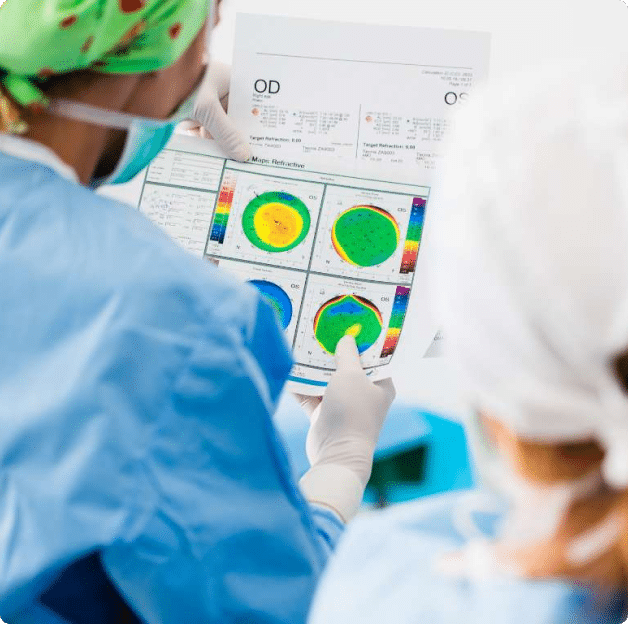
Your surgeon starts by mapping the exact shape of your cornea, using wavefront technology.
First, they build a treatment plan around what they find, not a one-size-fits-all setting. This is
where laser LASIK eye surgery results can differ from clinic to clinic. A sharp-eyed surgeon
can catch what a quick scan might miss.
- During Recovery and Aftercare
After surgery, you’ll have a few follow-up visits so your surgeon can check how things are
healing. If anything feels off in between, a decent clinic like Harley Vision makes sure you can actually reach someone, not just leave a voicemail. Good aftercare, more than the laser itself, is usually what separates a fine result from a genuinely great one.
Better vision really does come down to the surgeon more than the machine. If you want a straight answer on whether you qualify, Harley Vision offers free surgeon consultations across its London clinics, no pressure, no hidden fees attached.







Comment