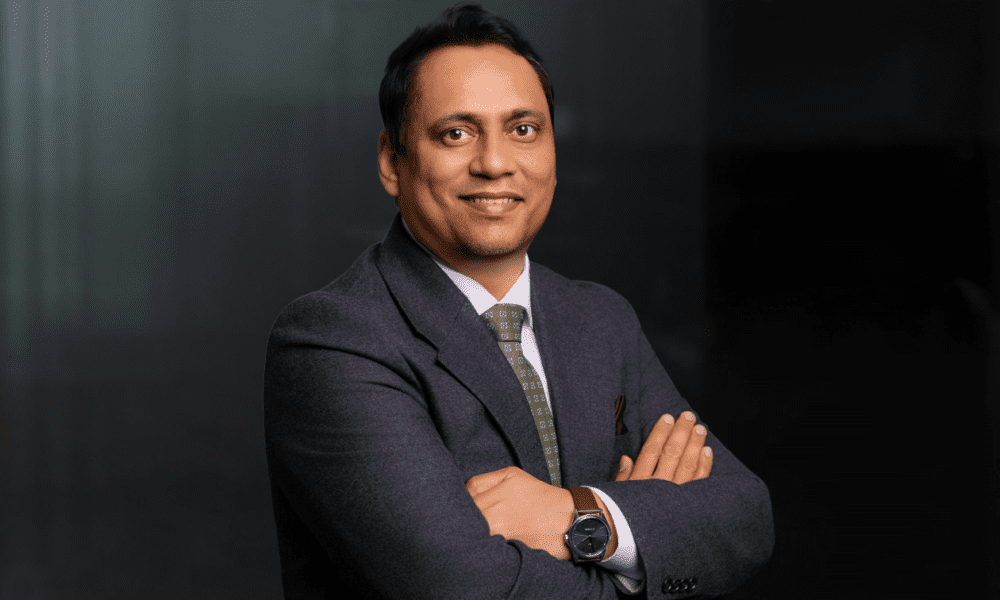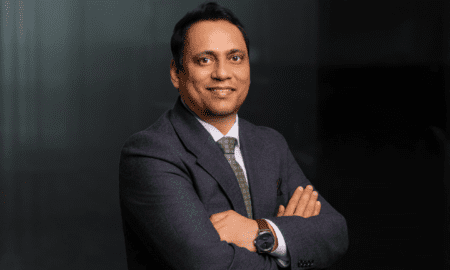
Karishma Mandal has been appointed to oversee API infrastructure product management at Salesforce, where she leads platform decisions for how large organizations run automated and agent-driven systems at scale. Her appointment places her at a junction where enterprise software, data access, and autonomous agents intersect. The role centers on infrastructure rather than features. Outcomes appear in reliability, governance, and adoption rather than surface-level product changes.
The timing matters. Industry forecasts place spending tied to automated connectivity and workflow intelligence at roughly $27 billion by 2026, according to widely cited market analyses. At the same time, the 2025 MuleSoft Connectivity Benchmark Report reports that 95 percent of IT leaders identify system linkage as the main barrier to effective agent deployment. Large enterprises now operate an average of 900 applications. Growth has outpaced architectural clarity.
Mandal’s remit focuses on resolving that imbalance inside Salesforce’s government and enterprise environments. Her work aligns sales infrastructure with agent-driven execution, supporting secure access patterns and predictable system behavior. The objective stays practical. Systems must remain readable to engineers while remaining usable by autonomous agents acting across complex data estates.
Before Salesforce, Mandal built a record inside large technical organizations where infrastructure decisions translated directly into financial outcomes. Earlier roles included senior product leadership at CVS Health where she guided System design architecture for large scale rebate forecasting. Infrastructure choices determine how fast organizations act and how safely automation operates.
Architectural clarity inside Salesforce and MuleSoft
Inside Salesforce, Mandal works closely with the MuleSoft platform, which supports more than 55,000 API engineers worldwide . Recent architectural work addressed a problem many teams faced but struggled to name. Most agent use cases relied on a narrow set of capabilities within the Anypoint Design Center, yet governance and access patterns treated every interface as equal.
Mandal and her colleagues identified that roughly 80 percent of agent utility concentrated around two core design capabilities. By prioritizing those areas, Salesforce introduced a standardized framework for agent access and execution through Model Context Protocol support and high-performance gateways. The result allowed MuleSoft to support agent workflows without fragmenting existing projects or adding risk.
The outcome extended past tooling. Documentation patterns emerging from this work now guide how developers structure agent-ready projects. Engineers rely on shared conventions rather than ad hoc solutions. For large organizations, shared language reduces audit friction and operational drift.
This work aligns closely with Salesforce’s government cloud strategy, which emphasizes trust boundaries, traceability, and predictable behavior across autonomous systems. Mandal’s role anchors sales infrastructure decisions within those constraints, keeping agent execution aligned with enterprise policy rather than experimentation.
Influence through infrastructure discipline
Mandal’s leadership style favors restraint and clarity in systems. Decisions begin with observed behavior inside live environments rather than abstract models. Colleagues often describe her focus as infrastructure stewardship rather than feature advocacy.
Within Salesforce, her frameworks circulate through internal documentation referenced across regions. External attention has followed selectively. Outlets, including Business Insider, Financial Express, and Hindustan Times, have referenced her work tied to automation and enterprise systems.
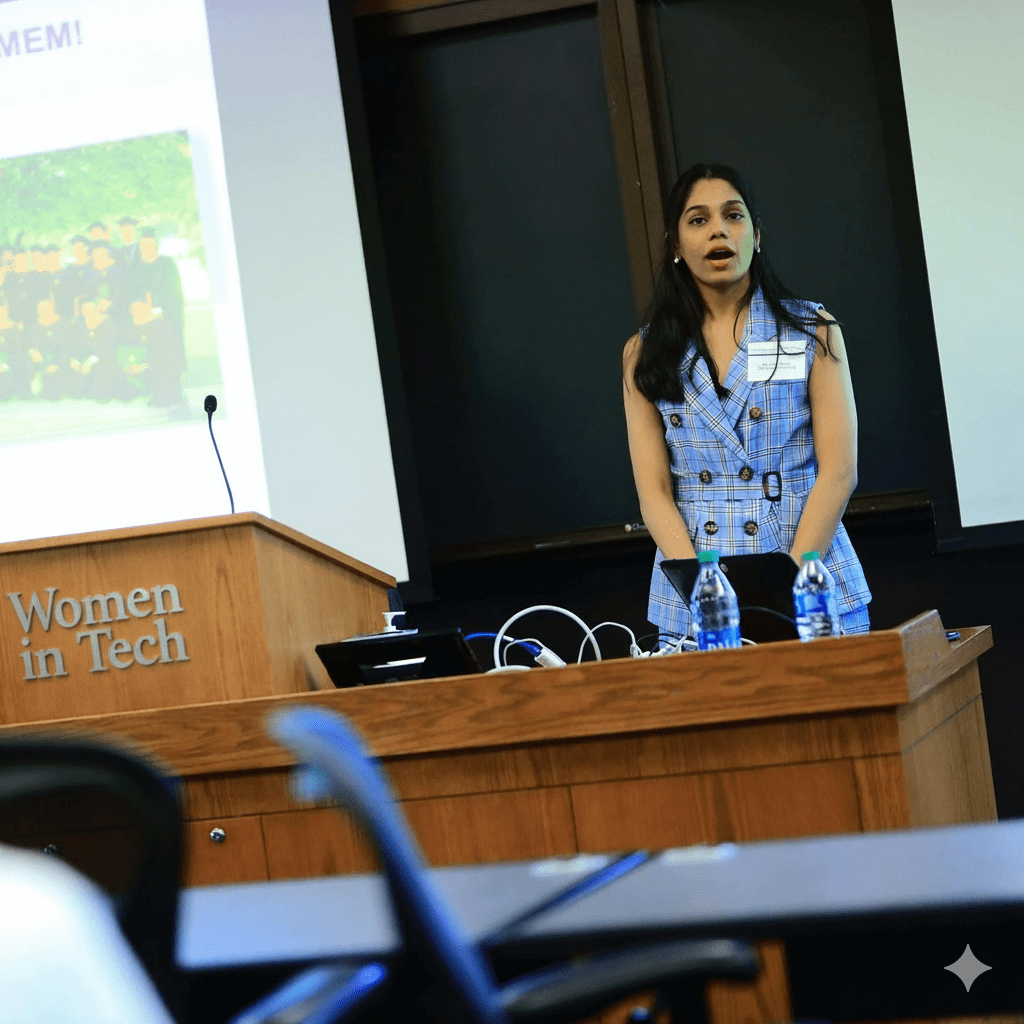
Public appearances reinforce the same focus. Mandal has spoken at the Salesforce Developer Conference, SAP America product sessions, and Women in Tech Summit. Topics center on system behavior, governance, and execution under scale.
Her work does not fit a neat storyline. Product management functions as translation, linking technical limits to real business movement. Attention is not the goal. Results are. When pressure rises, systems stay stable, automated actors operate within clear boundaries, and organizations keep moving without needing explanations for failure or delay.