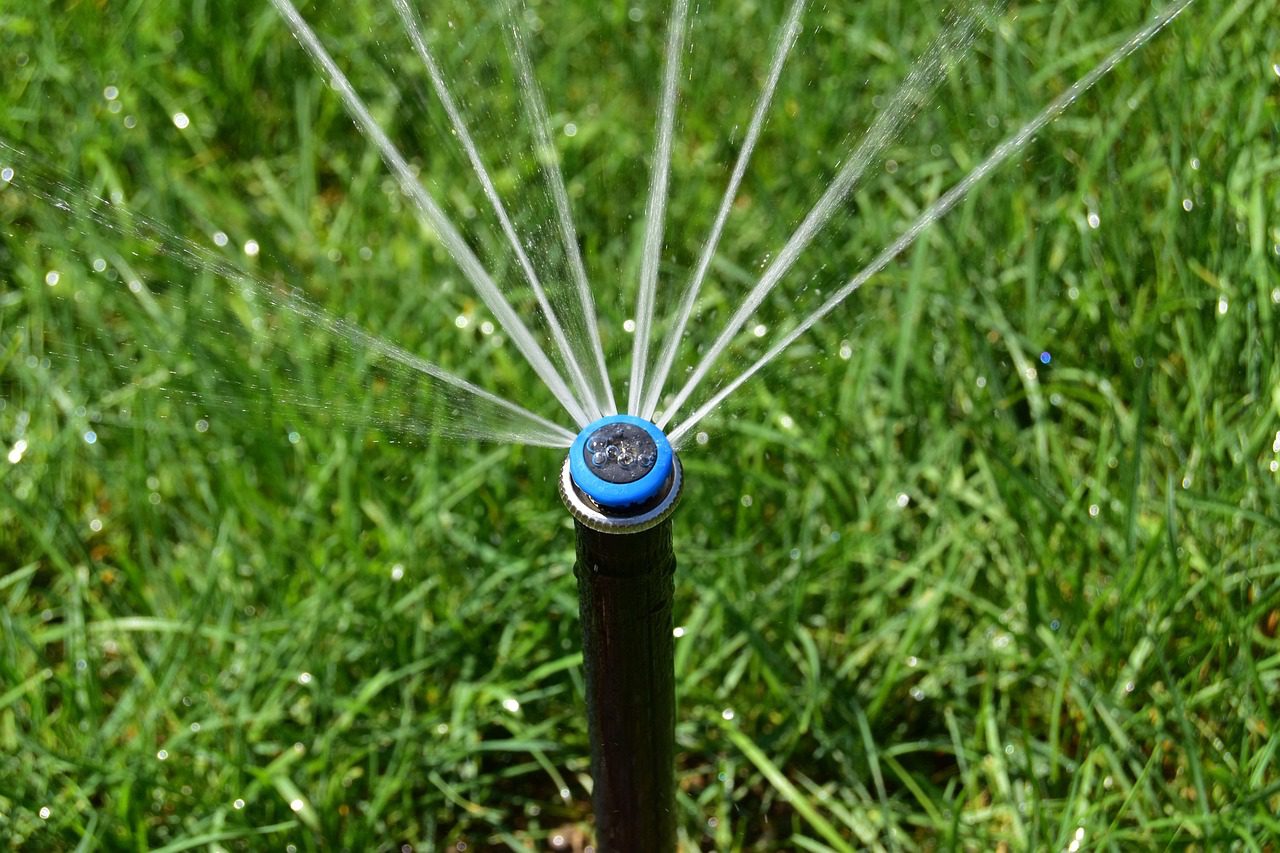
Traditional irrigation controllers operate like alarm clocks: they activate zones at programmed times regardless of whether watering makes sense. The latest Irrigreen systems move beyond simple scheduling into responsive intelligence that considers weather conditions, lawn characteristics, and seasonal changes.
The transformation represents more than incremental improvement. Where first-generation smart controllers simply added WiFi connectivity to traditional timers, precision irrigation systems incorporate weather data integration and zone-by-zone customization that allows the system to optimize performance continuously.
Weather-Responsive Intelligence: Beyond Simple Scheduling
The fundamental limitation of traditional controllers lies in their ignorance. They execute programmed schedules blindly, watering during rainstorms, over-irrigating during mild weather, and under-watering during heat waves. Homeowners who want optimization must monitor conditions constantly and adjust settings manually.
Weather integration changes this dynamic fundamentally. The system connects to local meteorological data feeds, monitoring precipitation, temperature, humidity, and wind conditions continuously. When rain is detected or forecast, scheduled watering sessions cancel automatically. When temperatures spike during heat waves, the system can extend its duration. When cool, humid conditions reduce evaporation, it scales back application.
Users can access and control their systems through smartphone apps, making adjustments remotely and monitoring system performance in real-time.
Zone Customization: Tailoring Irrigation to Lawn Characteristics
Beyond weather responsiveness, the system allows detailed customization for each irrigation zone. Users input soil type, grass variety, and sun/shade distribution per zone. The system uses this information to provide watering recommendations, which users can then fine-tune through simple slider controls.
This zone-specific approach addresses a fundamental problem with traditional irrigation: uniform application across varied conditions. Yards rarely feature consistent sun exposure, soil composition, or grass health. Sandy soil drains faster than clay. Shaded areas require less water than full-sun zones. Slopes create runoff challenges. Traditional controllers water everything identically.
Precision systems let homeowners optimize each area independently. The northeast corner that stays moist might receive 40% less water than the south-facing slope that dries quickly. During setup, users walk around the property fine-tuning zones based on observed performance. Over time, as they learn which areas need adjustment, they can modify zone settings through the app.
Smart Adjustments and Continuous Optimization
The system incorporates multiple optimization layers that work together. Real-time weather monitoring ensures watering only occurs when beneficial. Zone customization tailors application to local conditions. The combination delivers water precisely where and when needed while minimizing waste.
Installation feedback from contractors and homeowners consistently emphasizes how the system’s precision delivery and boundary control eliminate the overspray and waste common with traditional sprinklers. Each head can adjust its spray pattern to match lawn boundaries exactly, preventing water from landing on driveways, sidewalks, or other hardscapes.
The app interface provides the control center for all these features. Users can view upcoming watering schedules, see which zones will run and for how long, check recent weather data that influenced decisions, and manually override automatic schedules when needed. This visibility creates confidence that the system is operating optimally while maintaining the convenience of automatic operation.
Real-World Performance: From Concept to Practice
The test of any technology lies in real-world application under varied conditions. Early precision irrigation adopters reported learning curves as they calibrated systems to their specific properties. However, once optimized, performance consistently exceeded traditional systems across multiple metrics.
Water consumption typically drops 40-50% compared to conventional irrigation while maintaining equivalent or better turf health. This efficiency stems from multiple factors: eliminating overspray waste, preventing irrigation during rain, adjusting for weather conditions, and customizing application by zone. The reduction isn’t theoretical—utility bills document the savings directly.
Lawn health improvements emerge as another consistent benefit. More uniform coverage eliminates the dry spots and overwatered areas common with traditional systems. Grass develops deeper, healthier root systems when irrigation matches actual needs rather than applying water on fixed schedules. Users report fewer brown patches, more even color, and better drought resilience.
The convenience factor cannot be overstated. Traditional irrigation demands ongoing attention: seasonal adjustments, manual pause during rain, troubleshooting coverage problems, and regular tuning. Precision systems require an initial setup investment but then operate reliably with minimal intervention. Homeowners report going months without touching settings yet maintaining consistently healthy lawns.
Integration and Ecosystem: Beyond Standalone Operation
Modern smart home ecosystems expect devices to work together seamlessly. Precision irrigation systems integrate with broader home automation platforms, enabling coordination with other systems and voice control through virtual assistants.
Amazon Alexa integration allows voice commands like “water the front lawn” or “skip tomorrow’s watering.” This hands-free control proves particularly useful when physically working in the yard. Potential integration with Apple HomeKit and Google Home could enable additional automation possibilities, though current implementations focus primarily on core irrigation functions.
The system can also coordinate with other outdoor devices. Weather stations can provide hyperlocal precipitation data more accurate than regional forecasts. Soil moisture sensors can offer direct feedback about actual lawn needs. Flow meters can detect leaks and track total water consumption precisely.
Company updates indicate ongoing development of additional features and integrations, suggesting the platform will continue evolving as user needs and smart home ecosystems develop.
The Broader Implication: Redefining Residential Water Management
The shift from mechanical timers to weather-responsive, zone-customized systems represents more than technological evolution—it fundamentally changes how households approach outdoor water use. Instead of “set and forget” leading to waste, it enables “set and optimize” where conservation happens automatically.
This transformation matters increasingly as water scarcity intensifies. Western states face megadroughts. Urban areas struggle to meet growing demand. Municipalities implement restrictions and penalty pricing. In this context, technologies that deliver better results with less water aren’t luxuries but necessities for sustainable urban living.
The residential sector’s water consumption makes it a logical target for conservation efforts. Outdoor irrigation accounts for roughly one-third of total household water use nationally, reaching 50-70% in arid regions during summer. Traditional approaches rely on voluntary behavior change or restrictive regulations—neither is consistently effective at scale. Technology that makes conservation automatic and convenient offers a more reliable path to sustainable water use.
Looking forward, precision irrigation likely represents an early example of broader trends in home resource management. As climate adaptation becomes increasingly urgent, technologies that deliver quality of life improvements while reducing resource consumption will become standard rather than exceptional. The pattern established here—using data, automation, and optimization to align individual convenience with environmental benefit—will likely extend to energy management, waste reduction, and other household systems.
For now, precision irrigation demonstrates that smart technology can solve real problems elegantly. Homeowners get better lawns with less effort while using half the water. That combination of improved performance, reduced hassle, and environmental benefit represents the ideal outcome for climate adaptation technology: making sustainable choices not just possible but preferable to wasteful alternatives.