
IMS Dry Needling vs. Acupuncture: What’s the Difference?

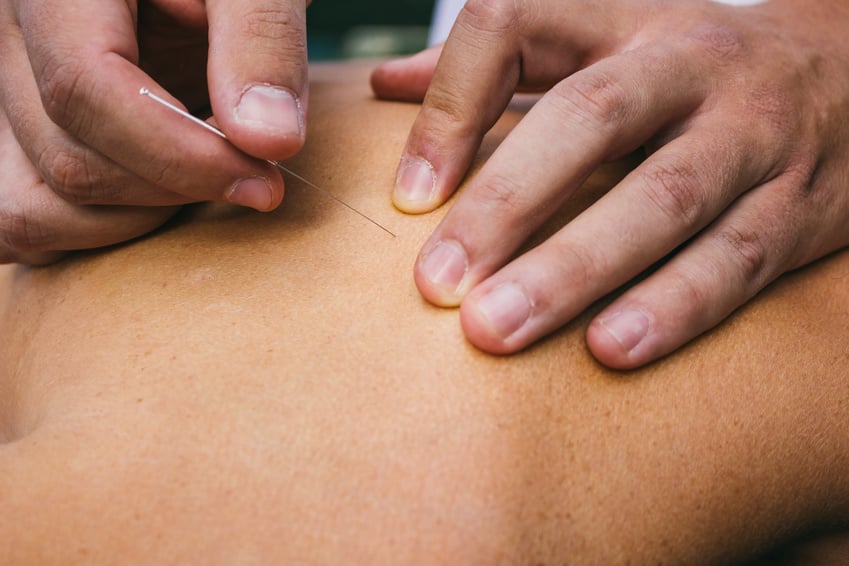
A needle in a sore shoulder doesn’t tell you much about the treatment. It could be part of a Gunn IMS session, an acupuncture appointment or another form of dry needling. From the treatment table, the methods can look remarkably alike. The difference begins earlier, when the practitioner decides what the shoulder pain means and whether a needle belongs in the plan at all.
That can be hard to judge when you’re the person in pain. One clinician talks about muscle and movement findings. Another mentions acupuncture points. Which explanation should you listen for, and what should you ask before agreeing to treatment?
For people exploring treatment options for persistent muscle pain, IMS dry needling therapy is one approach that focuses on assessing the relationship between muscles, movement patterns and pain symptoms before deciding whether needling is appropriate. Understanding how it differs from acupuncture can help patients ask more informed questions during their care.
First, Find Out What Is Being Treated
Gunn intramuscular stimulation, usually called Gunn IMS, is a form of dry needling used within a particular approach to persistent pain. The word “dry” simply means the needle doesn’t deliver an injection. A clinician using the Gunn model assesses symptoms, movement and related neuromusculoskeletal findings, then decides which tissues, if any, to needle. Its training materials stress that the decision shouldn’t come from a list of standard points for each painful body part.
Acupuncture has different traditions and clinical styles. Traditional Chinese medicine has its own framework for choosing points, while Western medical acupuncture may draw on anatomy and physiology. A practitioner may use it for pain, but acupuncture has also been studied for health concerns beyond the muscles and joints. Calling all acupuncture “energy treatment” would miss that variety. The NCCIH overview of acupuncture describes its uses and the research behind them.
Don’t assume the chosen points will always be different. An acupuncturist addressing muscle pain may needle near the same area that an IMS practitioner examines. Ask why this tissue or point matters in your case. An answer grounded in the assessment is more informative than the treatment label.
It is also worth asking whether needling is being proposed as one part of a broader plan. Pain can affect strength, movement and daily habits in different ways. The explanation should account for those problems rather than imply that inserting a needle alone will settle every part of them.
What Might You Notice During a Session?
IMS often involves an examination before the clinician inserts needles into selected muscles or related tissue. A brief ache, cramp or muscle response can occur. How it feels varies with the location, technique and person. A dramatic sensation isn’t evidence of a more effective treatment; a quiet session isn’t evidence that nothing happened.
Acupuncture experiences vary just as much. Needles may be placed near the painful area or elsewhere. They may be left in place, adjusted by hand or paired with a small electrical current. The NCCIH notes that both manual and electrical stimulation are used. Comparing the two methods by saying that one is “deep and intense” and the other “gentle” would give patients a misleading expectation.
The practical questions are simpler. Where will the needles go? What might you feel? What should you do if you want to pause or stop? You can ask these questions before the practitioner begins and again during the appointment. Consent doesn’t expire once you’ve agreed to the first needle.
Which One Has Better Evidence?
There isn’t a useful winner for every kind of pain. Acupuncture has been researched for many conditions. The U.S. National Center for Complementary and Integrative Health reports that it may help some people with back or neck pain and knee osteoarthritis pain. It also says the way acupuncture works isn’t fully understood; effects unrelated to the precise placement of a needle may contribute to results. Evidence for one condition shouldn’t be stretched into a promise for another.
Gunn IMS has a distinct clinical rationale, but a rationale alone doesn’t establish that it outperforms acupuncture. Nor can a study of acupuncture automatically tell you what Gunn IMS will do. Claims that either method reliably “fixes the root cause” tend to skip over the difficult question: compared with what, for which patients and over what period?
Set a goal you can actually review. If shoulder pain brought you in, can you reach the shelf that was difficult last month? Has work or sleep changed? If symptoms briefly ease after treatment but daily activity doesn’t improve, that belongs in the next conversation. The plan may need adjusting, and needling may not be the only reasonable option.
The Safety Conversation Matters More Than the Label
Any treatment that punctures the skin calls for careful technique and a frank discussion of risks. Temporary soreness or small amounts of bleeding can occur. More serious complications, including infection or injury to internal structures, are possible when needling is performed improperly. Tell the clinician about relevant health conditions, medicines and past reactions to needles. Ask what precautions apply to you. The NCCIH safety guidance describes complications associated with unsafe acupuncture practice.
Ontario’s College of Physiotherapists addresses acupuncture, including dry needling, in its controlled acts standard. Physiotherapists must meet requirements for competence and authorization, explain risks and benefits when obtaining consent, and be prepared to manage foreseeable adverse events. Those rules don’t predict whether an individual treatment will help, but they make safety and consent fair topics for a patient to raise. If you’re considering IMS dry needling therapy, ask what the assessment found and what the clinician expects to change. Ask the same questions about acupuncture. A clear answer should leave you able to weigh the approach, the risks and other options, rather than asking you to choose by name alone.







Comment