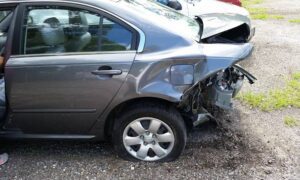
Car accidents can happen unexpectedly, turning an ordinary day into a stressful and confusing experience. In Charleston, where historic streets, busy intersections, and seasonal tourism contribute to traffic congestion, knowing what to do after a collision is essential. Taking the right steps early can protect your health, preserve important evidence, and help you navigate the legal and insurance process more effectively.
Below are the most important actions to take after a car accident in Charleston, explained clearly and practically.
1. Ensure Safety and Check for Injuries
Your first priority after a car accident should always be safety. If you are able to do so, move your vehicle out of active traffic to prevent further collisions. Turn on hazard lights and, if available, use warning triangles or flares.
Check yourself and others involved for injuries. Even if injuries appear minor, avoid sudden movements until you are certain it is safe. Call 911 immediately if anyone is hurt or if the accident caused significant property damage. In South Carolina, emergency responders can assess injuries and secure the scene.
2. Contact Law Enforcement and Document the Scene
Charleston law requires drivers to report accidents involving injuries, fatalities, or significant damage. When police arrive, provide accurate information but avoid speculating or admitting fault. The official police report will play a crucial role later, especially when determining liability.
While waiting for law enforcement, gather evidence if it is safe to do so. Take photos of vehicle damage, skid marks, road conditions, traffic signs, and visible injuries. Exchange contact and insurance information with other drivers, and collect names and phone numbers of any witnesses.
At this stage, some people choose to speak with a Charleston car accident attorney to better understand their rights and responsibilities, particularly if the accident involves injuries or disputes over fault.
3. Seek Medical Attention as Soon as Possible
Even if you feel fine immediately after the accident, it is important to seek medical evaluation. Injuries such as whiplash, concussions, and soft tissue damage often take hours or days to appear. Delaying treatment can not only worsen your condition but also weaken any future injury claim.
Keep detailed records of all medical visits, diagnoses, treatment plans, and expenses. These documents help establish a clear connection between the accident and your injuries, which is especially important if symptoms develop later.
4. Notify Your Insurance Company Carefully
Most insurance policies require prompt notification after an accident. Contact your insurer and provide basic facts such as the time, location, and vehicles involved. Stick to the facts and avoid making recorded statements without fully understanding the implications.
Insurance adjusters may seem helpful, but their primary goal is to limit payouts. Be cautious about accepting early settlement offers, especially before you know the full extent of your injuries or vehicle damage.
5. Preserve All Accident-Related Records
Organization is key after a car accident. Create a dedicated file for all accident-related documents, including:
- Police reports
- Medical bills and records
- Vehicle repair estimates
- Insurance correspondence
- Photos and witness information
Keeping everything in one place reduces stress and ensures you have the necessary documentation if disputes arise later.
6. Understand South Carolina’s Comparative Negligence Rules
South Carolina follows a modified comparative negligence system. This means you may still recover damages even if you were partially at fault, as long as you are not more than 50% responsible for the accident. However, your compensation will be reduced by your percentage of fault.
For example, if you are found 20% at fault, your recovery would be reduced by 20%. Understanding how fault is determined can help you avoid statements or actions that could unintentionally harm your claim.
7. Avoid Common Post-Accident Mistakes
Certain actions can negatively affect your case. Try to avoid:
- Posting about the accident or injuries on social media
- Skipping medical appointments or treatment plans
- Repairing your vehicle before documenting the damage
- Accepting quick settlement offers without full evaluation
Even innocent posts or casual remarks can be misinterpreted later.
8. Pay Attention to Legal Deadlines
South Carolina has a statute of limitations for car accident claims. In most cases, you have three years from the date of the accident to file a personal injury lawsuit. Missing this deadline can permanently bar you from recovering compensation.
While three years may seem like a long time, evidence can disappear quickly, and witness memories fade. Acting early helps preserve your options.
Final Thoughts
A car accident can leave you dealing with physical pain, emotional stress, and financial uncertainty. By taking the right steps—prioritizing safety, documenting the incident, seeking medical care, and staying informed—you put yourself in a stronger position to recover fully.
Frequently Asked Questions
1. What should I do immediately after a car accident in Charleston?
After a car accident, ensure everyone’s safety, move to a secure location if possible, and call 911. Check for injuries, cooperate with law enforcement, and document the scene by taking photos and collecting witness information.
2. Do I need to report a car accident to the police in South Carolina?
Yes. South Carolina law requires you to report accidents involving injuries, death, or significant property damage. A police report provides an official record that can be important for insurance claims and legal purposes.
3. How long do I have to file a car accident claim in Charleston?
In most cases, South Carolina allows three years from the date of the accident to file a personal injury claim. Failing to act within this time frame may result in losing the right to seek compensation.
4. What if I was partially at fault for the accident?
South Carolina follows a modified comparative negligence rule. You may still recover compensation if you are 50% or less at fault, though your recovery will be reduced based on your percentage of responsibility.
5. Why is medical treatment important even if I feel fine after the accident?
Some injuries do not show symptoms right away. Seeking prompt medical care helps identify hidden injuries early and creates documentation linking your condition to the accident, which can be important later.