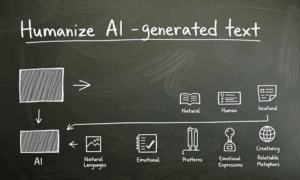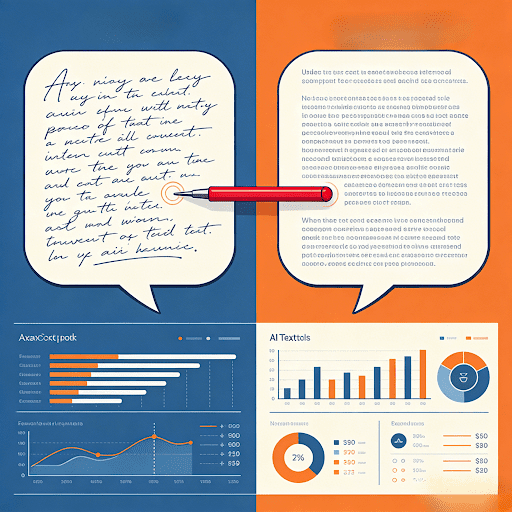
Artificial intelligence has become a powerful assistant for drafting content, but its robotic output can be a major roadblock. For students and freelancers, submitting work that sounds unnatural or gets flagged by detectors is a serious risk. The challenge isn’t just about avoiding detection; it’s about producing work that is authentic, engaging, and truly reflects human insight. This is where the process of refining AI drafts becomes essential.
Turning clunky, AI-generated sentences into fluid, natural prose is the key to academic and professional success. It involves more than just swapping a few words. It requires a tool that understands context, tone, and nuance. An effective AI Humanizer can help you bridge this gap, transforming a sterile draft into a piece of writing that connects with readers and meets high standards. The goal is to use AI as a starting point, not a final author.
Real-World Scenarios for Humanizing AI Text
The need to refine AI-generated content spans various fields. From university campuses to busy content marketing agencies, professionals and students are finding that the first draft from an AI is rarely the last. Here are three common scenarios where transforming robotic text into human-quality writing is crucial.
Use Case 1: The University Student and the Research Paper
Imagine a university student named Sarah working on a complex history dissertation. She uses an AI tool to gather information and structure her initial arguments. The AI produces a well-organized draft with accurate dates and facts. However, the text is dry, lacks a distinct academic voice, and uses repetitive sentence structures. If she submits it as is, her professor will immediately notice the lack of critical analysis and personal perspective.
Worse, her university uses sophisticated software to check for AI-generated content. A high AI score could lead to accusations of academic dishonesty, putting her grades and reputation at risk. Sarah needs to rewrite the draft to infuse her own analysis, interpretations, and a more sophisticated academic tone. The core facts from the AI are useful, but the writing must be entirely her own to demonstrate her understanding and critical thinking skills.
Use Case 2: The Freelance Writer on a Tight Deadline
David is a freelance content writer with multiple clients and overlapping deadlines. One client needs a 1,500-word blog post on digital finance trends by the end of the day. To speed up the process, David uses an AI to generate a foundational draft. The result is a generic article filled with common knowledge and bland corporate language. It doesn’t match the client’s friendly, authoritative brand voice.
The draft is a starting point, but it’s far from complete. He needs to convert the robotic AI to human text to ensure the final piece is engaging and provides real value to the reader. This involves rewriting sentences for better flow, replacing jargon with clearer terms, and adding specific examples that showcase industry expertise. For David, successfully humanizing the text means a happy client, a stronger portfolio, and the ability to handle a high volume of work efficiently.
Use Case 3: The ESL Professional Crafting a Business Proposal
Maria is a project manager in an international tech company. English is her second language, and while she is fluent, she sometimes struggles with the specific nuances of professional business writing. She uses AI to help draft a crucial proposal for a potential new client. The AI helps her ensure the grammar is perfect, but the tone comes across as stiff and overly formal.
The robotic phrasing doesn’t convey the confidence and collaborative spirit she wants to project. Certain idioms or expressions sound slightly off, making it clear the text wasn’t written by a native speaker. Maria needs to refine the proposal to sound more natural and persuasive. By humanizing the AI-generated draft, she can ensure her brilliant ideas are communicated clearly and professionally, allowing her expertise to shine through without language barriers.
Benefits of Humanizing AI Text in Each Scenario
The advantages of refining AI content go beyond simply avoiding detection. Each user gains specific benefits that contribute to their overall success.

| Scenario | Primary Benefits | Long-Term Outcomes |
| University Student | Avoids plagiarism flags, improves academic tone | Develops stronger writing skills, achieves better grades |
| Freelance Writer | Meets client brand voice, increases reader engagement | Builds a reputation for quality, secures more work |
| ESL Professional | Enhances clarity and professionalism, builds confidence | Improves cross-cultural communication, achieves business goals |
For the student, humanizing AI content is an educational process. It forces them to engage deeply with the material, turning passive information collection into active critical analysis. This leads to a better understanding of the topic and ultimately, a higher grade that reflects genuine effort.
For the freelance writer, the benefit is directly tied to their livelihood. Clients pay for unique, high-quality content that resonates with their audience. A well-written, humanized article can drive traffic, generate leads, and build brand loyalty. This makes the writer a more valuable partner, leading to repeat business and referrals.
For the non-native English speaker, the advantage is empowerment. Clear and natural communication builds trust and authority. By refining AI drafts, they can ensure their message is received exactly as intended, removing any potential for misunderstanding and allowing them to compete on a level playing field.
A Practical Workflow for Transforming AI Drafts
Whether you’re a student, a freelancer, or a professional, a structured process can help you turn any robotic draft into a polished piece of content.
Step 1: Generate Your Base Content with AI
Start by giving your AI tool a clear and detailed prompt. Include the topic, target audience, desired tone, and any key points or data you want to cover. The better the prompt, the better the initial draft will be. Think of this output as a collection of raw materials, not a finished product.
Step 2: Identify and Analyze Robotic Elements
Read through the AI-generated text with a critical eye. Look for common red flags:
* Repetitive sentence starters: Does every other sentence begin the same way?
* Generic phrasing: Are there clichés or vague statements like “in the modern world” or “it is important to note”?
* Lack of flow: Do the paragraphs connect logically, or do they feel like a list of disconnected facts?
* Inconsistent tone: Does the voice sound overly formal, unnaturally casual, or simply flat?
Step 3: Use an AI Humanizer for the First Polish
Once you’ve identified the weaknesses, paste the text into an AI humanizer. This tool will automatically rewrite sentences, improve word choices, and fix awkward phrasing. It handles the heavy lifting of restructuring the text to sound more natural. This step saves a tremendous amount of time compared to manually rewriting every line.
Step 4: Inject Your Personal Expertise and Voice
This is the most important step. The humanizer provides a natural-sounding foundation, but now you must make the content truly yours. Add personal anecdotes, unique insights, specific examples, or expert analysis that only you can provide. This is what separates forgettable content from memorable, valuable writing. Rewrite key sections to reflect your unique perspective and voice.
Step 5: Perform a Final Manual Review
Read the entire piece out loud. This simple trick helps you catch any remaining awkward phrasing or sentences that don’t flow well. Check for any grammatical errors, typos, or formatting issues. Ensure the final document meets all requirements, whether it’s a professor’s rubric or a client’s style guide. This final human touch guarantees a high-quality result.
Conclusion
AI is an incredible tool for brainstorming and creating initial drafts, but it cannot replicate the nuance, creativity, and authenticity of human writing. For students who need to demonstrate critical thinking and freelancers who must capture a client’s unique voice, the raw output of AI is not enough.
By following a clear workflow that includes using an AI humanizer and infusing personal expertise, you can transform robotic text into compelling, natural, and effective content. This approach allows you to leverage the speed of artificial intelligence without sacrificing the quality and integrity that define great writing. It’s the key to achieving academic excellence and professional success in a world where authenticity matters more than ever.
Read More about AI Humanizer;AI to human text