The digital revolution is reshaping not only how we transact but also how we define ownership, governance, and value. Central to this shift is the token economy, a system built on blockchain technology that uses digital tokens to represent assets, rights, and incentives. From decentralized finance (DeFi) and non-fungible tokens (NFTs) to decentralized autonomous organizations (DAOs), tokens are creating new economic paradigms that challenge traditional notions of control and value creation.
What Is the Token Economy?
A token is a digital representation of value or rights, secured on a blockchain. Unlike traditional currency, which is centrally issued and regulated, tokens can be designed to serve multiple purposes:
Utility tokens grant access to specific services within a platform.
Security tokens represent ownership in an underlying asset, similar to shares or bonds.
Governance tokens allow holders to participate in decision-making processes within decentralized networks.
The token economy enables a system where value is encoded in software, transactions are transparent, and intermediaries are minimized. This has profound implications for ownership, governance, and value distribution.
Redefining Ownership
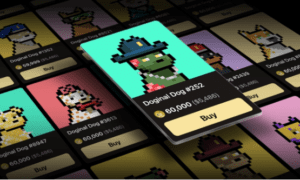
Traditionally, ownership of digital or physical assets has been mediated by institutions—banks, registries, or companies. Tokens, however, provide verifiable digital proof of ownership directly on the blockchain. For instance, NFTs allow artists to sell unique digital artwork with guaranteed provenance, royalties, and authenticity. Similarly, tokenized real estate enables fractional ownership, making high-value assets accessible to a wider pool of investors.
Ownership in the token economy is programmable. Smart contracts automate the transfer of rights, enforce conditions, and distribute rewards, making ownership more flexible and secure than ever before.
Transforming Governance
Tokens are also reshaping how organizations make decisions. Governance tokens empower communities to vote on protocol changes, project funding, or operational rules. Unlike traditional corporations, where shareholders’ influence is limited and hierarchical, token-based governance distributes power across a broad network of stakeholders.
Decentralized autonomous organizations (DAOs) exemplify this model. A DAO operates according to rules encoded in smart contracts, with token holders collectively shaping its future. This creates a new form of participatory governance, emphasizing transparency, inclusivity, and accountability.
Creating and Capturing Value
The token economy redefines value beyond traditional metrics like revenue or assets. Tokens can capture both financial and social value within a network. For example:
Incentive alignment: Platforms reward users, developers, and contributors with tokens, encouraging behaviors that enhance network growth.
Liquidity and tradability: Tokenized assets can be traded on secondary markets, unlocking liquidity for assets that were previously illiquid.
Programmable money: Tokens can embed rules for royalties, profit-sharing, or dividend distribution, ensuring continuous value capture for creators and stakeholders.
This model transforms users from passive consumers into active participants in value creation, effectively blurring the lines between creators, investors, and users.
Challenges and Considerations
Despite its promise, the token economy faces several challenges:
Regulatory uncertainty: Many jurisdictions are still developing legal frameworks for tokenized assets and governance mechanisms.
Security risks: Smart contract vulnerabilities, hacks, and scams can threaten participants’ assets.
Complexity and adoption: Understanding token mechanics, wallets, and blockchain networks can be daunting for mainstream users.
For the token economy to mature, education, regulatory clarity, and robust infrastructure are essential.
Conclusion
The token economy is more than a technological innovation—it represents a fundamental shift in how value is created, owned, and governed. By leveraging blockchain technology, tokens enable verifiable ownership, democratized decision-making, and novel methods of capturing and distributing value.
As digital assets, NFTs, and DAOs continue to gain traction, the token economy is poised to challenge conventional financial and organizational models, empowering individuals and communities in unprecedented ways. The future of ownership and governance may no longer reside solely in institutions but in decentralized networks where tokens define trust, control, and value.
Word count: 706
I can also create a short, punchy 450-word version suitable for a gener