Long before furniture is arranged or artwork is hung, the colour on a home’s walls has already started influencing how a room feels. Smithsonian Magazine has examined how colours affect mood and found that most colour preferences are shaped less by biology than by the personal and cultural associations a person builds up over a lifetime. This effect happens quickly and largely without conscious awareness, shaping mood in ways most people never stop to notice until someone else points it out to them directly.
The Quiet Psychology Behind Every Shade
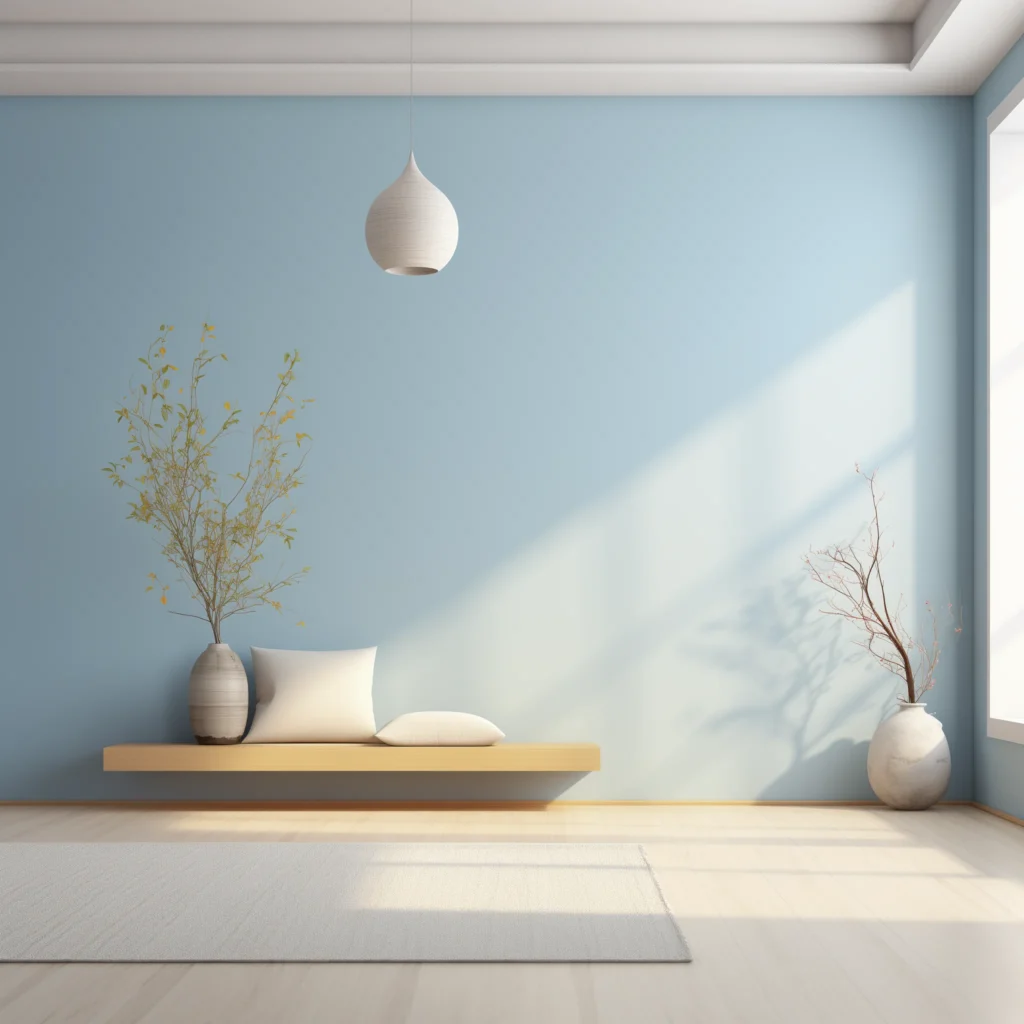
Warmer tones such as soft terracotta or muted gold tend to make a room feel more inviting and energised, which is why they often suit kitchens and living areas where people gather. Cooler shades, meanwhile, generally create a calmer, more restful atmosphere, making them a popular choice for bedrooms and bathrooms. None of this is a coincidence. Colour genuinely alters how a space is perceived, influencing everything from perceived room size to how relaxed someone feels within minutes of walking inside.
Light Changes Colour, and Colour Changes Light
The same paint colour can look dramatically different depending on how much natural light a room receives throughout the day. A soft grey that feels sophisticated in a north-facing room might appear flat and cold in a room with limited sunlight. This is why colour selection genuinely needs to be considered alongside orientation and window placement rather than chosen in isolation from the rest of the home’s design. Colour rarely works in isolation from finishes either. Timber flooring, cabinetry and soft furnishings all interact with a chosen wall shade, sometimes warming it and sometimes cooling it, depending on their own undertones, which is why experienced designers usually consider colour and finishes together as a single decision.
Testing Before Committing
Many experienced homeowners now insist on testing paint samples directly on site before finalising anything, painting a small section of actual wall and observing it at different times of day rather than trusting a tiny swatch viewed briefly in a showroom. Morning light, midday brightness and evening shadow can each reveal a different personality within the very same colour.
Getting Colour Right From the Start
Because these effects are so subtle, many homeowners only notice them once a home is finished and lived in for a while. Working with Dhursan Construction – leading Western Sydney builders– homeowners are often encouraged to test colour choices against actual light conditions on site before finalising a palette, rather than relying purely on a small paint swatch viewed indoors under artificial light.
Wall colour rarely announces itself the way a bold piece of furniture might, yet its influence over daily mood is arguably far greater, and that quiet effect tends to remain every single day. Long after paint swatches have been recycled and colour charts forgotten, the actual shade chosen for a bedroom, kitchen or hallway continues working quietly in the background, gently setting the tone for whatever happens inside that room, morning after morning, for as long as the family continues to call that particular house home.