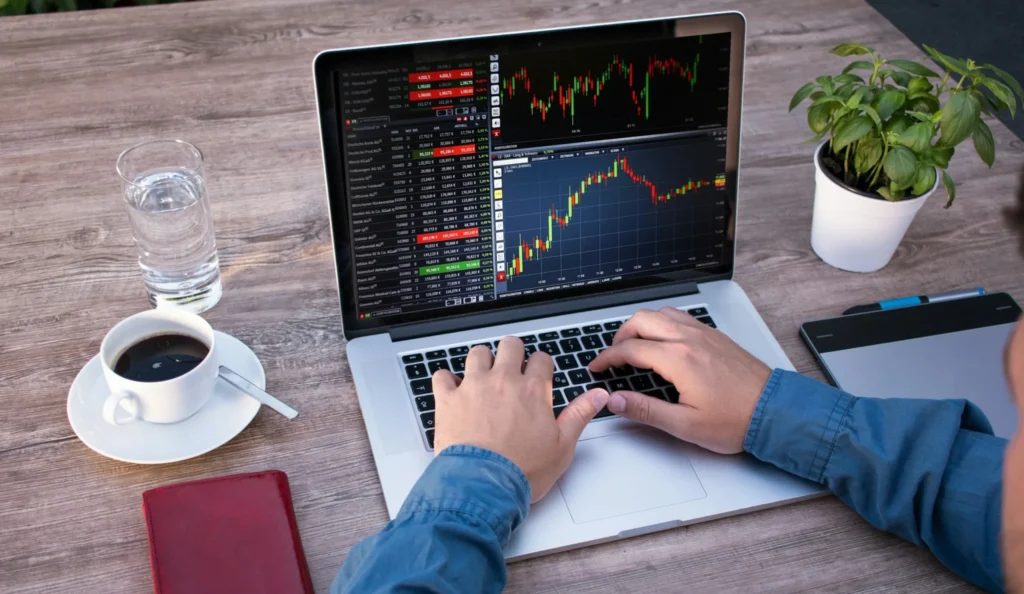
Futures trading has always been a race against time. Prices move fast, market conditions shift within seconds, and a single moment of hesitation can mean the difference between a profitable trade and a missed opportunity. For years, traders relied on their home computers and standard internet connections to place trades, but as markets became faster and more competitive, this setup started showing its limits.
This is where VPS hosting has quietly stepped in and changed how serious traders operate. A VPS for futures trading gives traders a way to keep their systems running smoothly, securely, and without the interruptions that come with everyday computing.
In this article, we will look at what VPS hosting actually means for futures traders, why it has become so popular, and how it is reshaping the way people approach trading in general.
What Exactly Is VPS Hosting
VPS stands for Virtual Private Server. In simple terms, it is a remote computer that you can access and control over the internet, just like you would use your own laptop or desktop. The difference is that this remote computer lives in a data center, runs continuously, and is built to handle tasks that require high uptime and stable performance.
For traders, this means their trading software, charting tools, and automated strategies can run on a machine that does not depend on their home internet connection or their local hardware. Instead of worrying about a power cut or a laptop restart in the middle of an important trade, everything continues to run on the VPS.
Why Traders Started Looking for Alternatives
Before VPS hosting became common in trading circles, most retail futures traders used their personal computers to run trading platforms. This worked fine for casual trading, but as more people started using automated strategies, algorithmic systems, and trading bots, the limitations became obvious.
A regular home setup depends on several things working perfectly at the same time. The internet connection needs to be stable, the computer needs to stay on, and there should be no interruptions from software updates or accidental shutdowns. Any small hiccup could disrupt a trade that was supposed to execute at a precise moment. This is a real problem in futures trading, where prices can move significantly within seconds.
Traders began searching for a solution that offered more reliability, and that search led many of them toward VPS for futures trading as a practical answer to these everyday frustrations.
How VPS Hosting Actually Helps Futures Traders
The appeal of using a VPS for futures trading comes down to a few core advantages that directly address the pain points traders face daily. Let’s go through them one by one.
Consistent Uptime
One of the biggest benefits of VPS hosting is that the server almost never goes down. Data centers that host VPS services are designed to run continuously, with backup power systems and redundant internet connections in place. This means a trader’s platform stays active around the clock, which is especially useful for those who trade markets that operate outside regular business hours or who run strategies that need to react to price movements at any time of day or night.
Lower Latency for Faster Execution
Latency refers to the delay between sending an order and having it executed on the exchange. In futures trading, even a fraction of a second can matter, especially for traders who rely on quick entries and exits. Many VPS providers offer servers located close to major exchange data centers, which reduces the physical distance data has to travel. This proximity can lead to faster order execution, giving traders a slight edge when speed matters most.
Protection Against Local Disruptions
Home internet outages, power failures, and even something as simple as a computer needing to restart for updates can interrupt a trading session at the worst possible time. When traders switch to a VPS for futures trading, these local issues no longer affect their trading activity because the platform runs on a separate, dedicated machine that is not tied to their home setup.
Better Security for Trading Accounts
Security is another area where VPS hosting makes a real difference. Reputable VPS providers include firewalls, regular security updates, and monitoring systems that help protect against unauthorized access. This adds a layer of protection for traders who are logging into brokerage accounts and handling sensitive financial information regularly.
The Role of VPS in Automated Trading Strategies
Automated trading has grown rapidly over the past decade, and this is one of the biggest reasons VPS hosting has become so relevant for futures traders. Automated strategies, often built using trading bots or algorithmic scripts, need to run continuously without interruption. If the system running the strategy goes offline even briefly, the bot could miss trades, fail to close positions, or make errors that cost money.
Using a VPS for futures trading solves this problem by giving these automated systems a stable, always-on environment. Traders can set up their strategies once and let them run in the background, checking in periodically rather than needing to babysit their computer all day. This shift has made algorithmic trading more accessible to individual traders who previously could not justify the cost or complexity of maintaining dedicated infrastructure.
Reducing the Burden of Manual Monitoring
Before VPS hosting became widely available, traders who wanted to run automated systems often had to keep their personal computers on at all times, which was not practical for most people. Constantly running a laptop or desktop puts wear on the hardware, increases electricity costs, and creates a dependency on the trader’s own internet service. Moving these systems to a VPS removes this burden entirely, letting traders focus on strategy and analysis instead of babysitting their equipment.
Choosing the Right VPS Setup for Trading
Not all VPS services are built the same way, and traders looking into this option should understand a few basic considerations before jumping in. Location matters quite a bit, since a server closer to the exchange typically offers better latency. Traders should also think about the specifications of the VPS itself, including processing power and memory, especially if they plan to run multiple trading platforms or strategies simultaneously.
Reliability is another factor worth paying attention to. Providers with a strong track record for uptime and customer support tend to offer a smoother experience overall. While cost is always a consideration, choosing a VPS based purely on price without considering these other factors can lead to performance issues down the road.
Understanding the Learning Curve
For traders who are new to this technology, setting up and managing a VPS can feel a bit intimidating at first. It usually involves some basic technical steps like connecting through remote desktop software and installing trading platforms on the virtual machine. However, most providers offer guides and support to help traders through this process, and once the initial setup is complete, day-to-day use becomes fairly straightforward.
The Bigger Picture for Retail Traders
What makes this shift particularly interesting is how it has leveled the playing field between institutional traders and everyday retail traders. In the past, having reliable, low-latency infrastructure was mostly something large trading firms could afford. Now, with VPS hosting available at reasonable monthly costs, individual traders can access similar advantages without needing a massive budget.
This has changed the way many people approach futures trading altogether. Traders who once hesitated to run automated strategies because of reliability concerns are now more willing to experiment with these tools, knowing their systems will stay online. It has also given part-time traders, who cannot monitor markets all day due to work or other commitments, a way to stay engaged with the market through automated systems running on their VPS.
Final Thoughts
The way futures traders operate has clearly evolved, and VPS hosting has played a meaningful part in that change. It offers a level of stability, speed, and security that was harder to achieve with traditional home setups. Traders running automated strategies, working across different time zones, or simply looking for a more dependable way to stay connected to the markets have found real value in this technology.
As trading continues to become more technical and fast paced, tools like these are likely to become even more common among retail traders who want to compete on a more even footing with larger, more established players in the market.