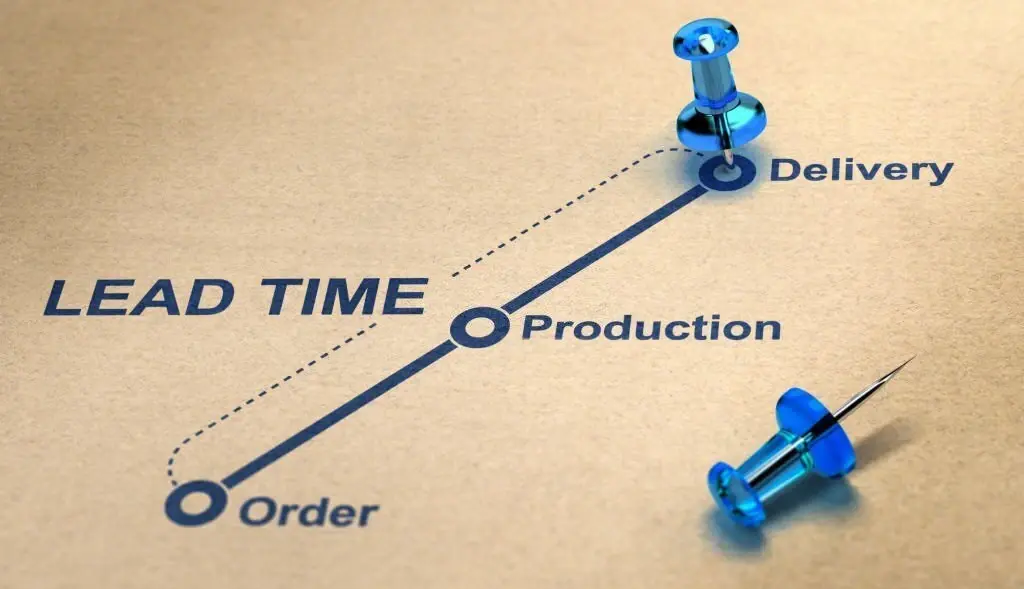
The shortening of lead times is a crucial practice in any supply chain that requires companies to remain competitive and flexible to the needs of the customers. Reduced lead times equate to quicker delivery times, enhanced inventory control and enhanced customer satisfaction. Efficiency in the transportation of products between suppliers and the end consumers also allows the companies to reduce costs and eliminate delays that affect the overall operations. A significant aspect of contemporary supply chain management is to comprehend the aspects which lead to the lead time and employ measures to counteract them.
To have low lead times, all the supply chain stages need to be carefully analyzed. Sourcing of materials to delivery at the end of the day, every process may cause delays unless well managed. A company needs to find out the points of weakness and streamline processes and use the technology to keep things fast and accurate. Enhancing efficiency is not the only benefit of cutting down lead times and it also affects customer loyalty, operational expenses, and market flexibility.
Enhancing Supplier Co-ordination.
Close coordination with suppliers is very essential in minimizing lead times. Awareness of the production schedules, and demand forecasts by suppliers will help them plan their operations better and have the materials available when required. The possibility of frequent communication and data exchange between suppliers and manufacturers leads to adjustments to possible unforeseen delays or demand fluctuations. The joint planning contributes to preventing stockouts and high inventory levels that will lengthen the lead time.
Long term relationships with trusted suppliers also helps in quickening the supply chain cycles. By having close liaisons with trusted partners, firms are able to negotiate the reduction of lead times of key materials and components. Moreover, performance metrics and expectations can be shared in order to stimulate the constant improvement process and minimize the likelihood of delays due to a lack of communication or unexpected supply problems.
Leveraging Technology
Technology is critical in minimizing lead times in the supply chain. The installation of inventory, shipments and production schedule tracking software will enable the companies to predict delays and act immediately. Data analytics that are observed in real-time give information about the possible bottlenecks so that adjustments to the operations can be made in advance. Warehousing and order processing can also be automated, and hence increase the speed in which tasks could have been done manually in the past.
Supply chain management on digital platforms supports the smooth working of departments and partners. Through the use of integrated logistics, firms will be able to track the path of a supplier all the way to the customer and make informed decisions. When using technology, the businesses can also be able to measure the key performance indicators, which include the rate of order fulfilments and the transport times, which are used to improve the areas.
Optimizing Transportation
The efficiency of transportation is a very important aspect in minimizing lead times. The choice of strong carriers and the routing options guarantee delivery of goods to the destination within a very short period of time. The companies are able to consider transport alternatives in terms of speed, cost as well as reliability and balance them to ensure they keep the lead times as short as possible. Another flexibility and experience in dealing with elaborate delivery chains can be introduced through incorporating 3PL logistics services as well.
The final stage of transportation is the last mile delivery which is usually very difficult. Any delays at this level will cancel out the efficiency gains achieved previously in the supply chain. These problems could be overcome with the help of optimization of the delivery routes, the application of modern tracking devices, and the utilization of distribution centers that are strategically located. The emphasis on the efficiency of the last mile delivery can make sure that the customers get their products on time, which is why their satisfaction and loyalty remain.
Efficiency in Internal Processes.
The lead times can also be influenced by the internal processes of a company. The manufacturing, processing of orders and inventory management should be synchronized in order to prevent unnecessary delays. Workflow standardization and minimization of manual interventions are useful in averting mistakes that slacken operations. With an effective chain of activities and duties, companies can save on the time wastage and enhance throughput.
Offering a regular review and revision of the internal operations is vital to improving further. Performance monitoring enables companies to know the areas where delays are experienced and take corrective measures. The operation efficiency can be improved through lean techniques and continuous improvement activities and the result can be the reduction of the lead time and the overall flexibility of the supply chain.
Strategic inventory management.
An efficient inventory management helps in minimizing the lead times through availability of products when they are required. The stock kept at the optimal level will avoid delays due to out of stock situations and unnecessary storage expenses. When demand is correctly predicted and fixed in terms of inventory, the entire process in the supply chain runs smoothly.
Critical items also have a buffer stock that can help to counter the unexpected delays by suppliers or transport problems. Firms with a sound inventory control strategy are in a better position to fulfill the needs of the customers in a timely fashion. All these practices together with effective supplier relations and good internal process design a supply chain that is able to deliver products fast and reliably.
Conclusion
Minimization of lead times throughout a supply chain necessitates a collaborative effort by suppliers, technology blending, transportation productivity, internal operations enhancement, and inventory strategies. When these factors are addressed, businesses will be able to make deliveries faster, save on costs, and attain customer satisfaction. The use of solutions like the 3PL logistics and the optimization of the last mile delivery are critical steps in developing a responsive and competitive supply chain. It is those companies that invest in them that will be in a better position to adjust to the changes in the market and have a solid operational advantage.