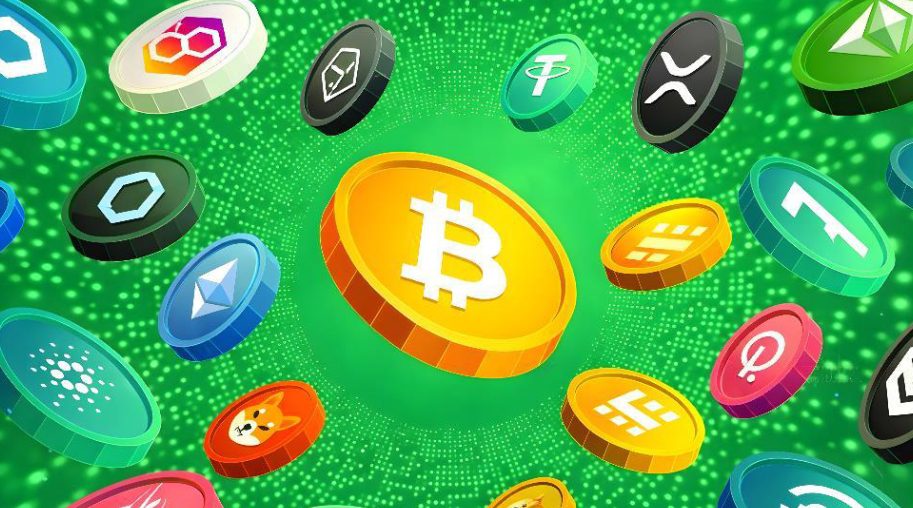
Bitcoin mining has evolved far beyond hobbyist GPU setups. In 2026, mining Bitcoin is an infrastructure-driven process that requires specialized hardware, energy planning, and financial modeling.
For individuals and small operators exploring entry into the space, understanding the fundamentals is essential before purchasing equipment.
This guide explains how Bitcoin mining works, what hardware is required, and how to structure a mining setup responsibly.
Step 1: Understand What Bitcoin Mining Actually Does
Bitcoin mining serves two purposes:
- It secures the network
- It validates and confirms transactions
Miners use computational power to solve cryptographic puzzles. When a block is successfully mined, the miner receives:
- Block rewards
- Transaction fees
Mining is competitive. The higher your hash rate relative to the network, the greater your probability of earning rewards.
Step 2: Choose the Right Mining Hardware (ASIC
Miners)
Bitcoin can no longer be mined profitably with regular computers or GPUs. You need specialized hardware known as:
ASIC miners (Application-Specific Integrated Circuits)
These machines are built specifically to mine SHA-256 (Bitcoin’s algorithm).
Popular examples include:
- Bitmain Antminer series
- MicroBT WhatsMiner models
When selecting an ASIC miner, evaluate:
- Hash rate (TH/s)
- Energy consumption (W)
- Efficiency (J/TH)
- Purchase price
- Delivery time
Platforms such as Import Mining provide access to professional-grade ASIC miners with structured sourcing and ready-to-ship inventory, allowing buyers to compare models based on deployment goals rather than hype cycles.
Step 3: Calculate Electricity Costs
Electricity is the largest ongoing cost in mining.
Before purchasing hardware, calculate:
- Your local kWh rate
- Total machine wattage
- Daily operating cost
Example:
A 3,000W miner running 24 hours uses:
3 kW × 24 = 72 kWh per day
If electricity costs $0.10/kWh:
72 × 0.10 = $7.20 per day
If your power rate is too high, mining may not be profitable.
Step 4: Use a Mining Profitability Calculator
Before buying equipment, use a mining ROI calculator to estimate:
- Daily revenue
- Break-even time
- Sensitivity to Bitcoin price
- Sensitivity to difficulty increases
Lower hardware acquisition cost improves break-even resilience, especially during volatile market cycles. You can use the tool on importmining.com to calculate mining profitability.
Step 5: Decide Where to Host Your Miner
You have two options:
Option A: Home Mining
Pros:
- Full control
- No hosting fees
Cons:
- Noise (very loud)
- Heat production
- Electrical limits
Option B: Professional Hosting
Pros:
- Industrial power rate
- Better cooling
- Scalable infrastructure
Cons:
- Hosting contract required
Serious operators often combine direct hardware sourcing with structured hosting strategies to optimize long-term stability.
Step 6: Prepare for Heat and Noise Management
ASIC miners generate significant heat and operate at high decibel levels.
Solutions include:
- Ventilation systems
- Ducting setups
- Immersion cooling systems
- Industrial warehouse deployment
Infrastructure planning is critical to protect hardware lifespan and maximize uptime.
Step 7: Join a Mining Pool
Solo mining is statistically impractical for small operators.
Mining pools combine hash power from multiple participants and distribute rewards proportionally.
Popular mining pools include:
- Foundry USA
- Antpool
- F2Pool
This provides predictable income flow instead of rare block wins.
Step 8: Think Long-Term
Bitcoin mining is not a “get rich quick” strategy.
Sustainable miners focus on:
- Cost discipline
- Hardware lifecycle planning
- Risk modeling
- Strategic expansion
Structured mining import strategies help reduce procurement uncertainty and support
more disciplined deployment decisions.
Is Bitcoin Mining Still Worth It?
Mining profitability depends on:
- Hardware efficiency
- Energy cost
- Market conditions
- Difficulty growth
While margins are tighter than in early cycles, operators who approach mining as
infrastructure — not speculation — can still build sustainable operations.
Bitcoin mining in 2026 rewards preparation, not impulse.