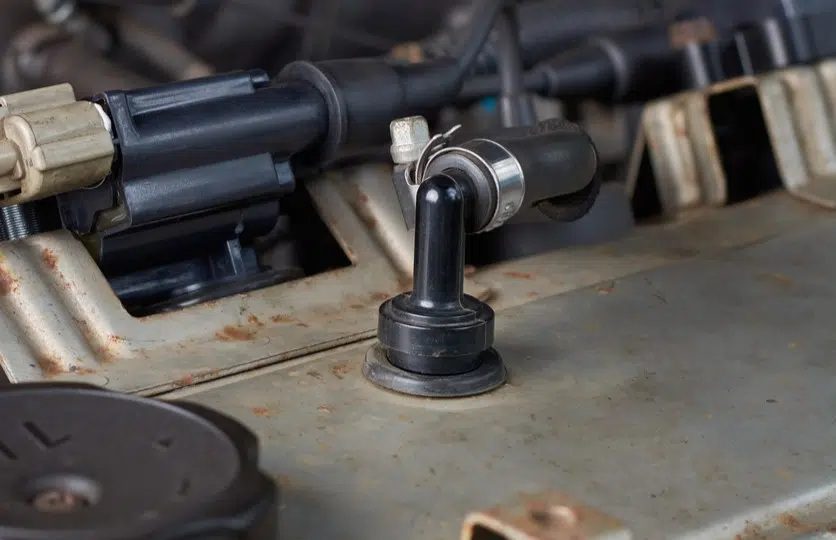
The PCV/CCV system—formally known as a crankcase ventilation— reroutes blow-by gases and oil vapors from the crankcase back into the intake for burning, preventing pressure buildup. PCV/CCV issues are often missed due to their hidden, inexpensive components regarded as “maintenance items.”
This guide covers identifying PCV/CCV symptoms, quick checks, common failures, solutions (replacing parts), maintenance tips, and legal/emissions considerations for modifications.
Common PCV/CCV System Issues & Diagnosis
Accurate diagnosis usually takes only minutes and helps you avoid unnecessary parts swapping. Start with a quick visual inspection, then use engine-specific checks (gasoline, turbocharged gasoline, or diesel/CCV). To make troubleshooting faster, use the symptom-to-cause mapping table below. For a deeper look at the warning signs that could lead to engine damage, you can watch this visual breakdown of the symptoms of a bad pcv valve.
| Symptom Pattern | Likely Cause | Quick Check |
| Rough idle / stalling | PCV stuck open or hose leak | Pinch PCV hose at idle → RPM/idle changes |
| Whistling / hissing | Vacuum leak at PCV hose/fitting | Inspect hoses/clamps; listen near valve cover |
| Check engine light + lean codes | Unmetered air from PCV leak | Visual check + pinch test; smoke test if unclear |
| Oil leaks / oil smell | High crankcase pressure from restriction | Check oil cap/dipstick behavior; inspect for blocked PCV/CCV |
| High oil consumption / oil in intake | Separator failure or excessive oil carryover | Inspect intake/charge pipes for oil pooling (vs light film) |
| Turbo smoke / leaks under boost (if turbo) | Failed check valve / wrong routing | Verify check valves + routing; inspect charge pipes/intercooler |
Effects of PCV/CCV Issues on the Engine
PCV/CCV issues don’t merely cause irritating signs—they can subtly degrade engine performance and, in severe cases, lead to costly secondary damage.
Engine Misfires
A malfunctioning PCV/CCV system can initiate misfires in two primary ways:
- Lean mixture due to vacuum leaks: An open PCV valve or a damaged hose allows unmeasured air entry, especially evident during idle and light load.
- Oil-fouled spark plugs and deposits: Excess oil vapor entering the intake can foul spark plugs and escalate deposits, hindering stable combustion.
Poor Fuel Economy
If the PCV system induces a vacuum leak or disrupts airflow sensing, the ECU often tries to adjust with fuel-trim changes. Constant adjustment can result in:
- Rich/lean fluctuations
- Less efficient combustion
- Lower MPG, especially in stop-start traffic
Increased Emissions
Crankcase vapors contain hydrocarbons and oil mist. Malfunctioning systems may cause:
- Elevated HC emissions due to poor vapor management
- Oil vapor entry into the engine, potentially raising particulate/HC emissions
- Catalyst wear over time if substantial oil burning occurs, as oil ash and contamination decrease catalytic efficiency
Possible Engine Damage
Neglecting PCV/CCV problems can escalate minor issues into major ones:
- Seal and gasket failures from increased crankcase pressure, exacerbating oil leaks
- Turbo contamination (in vehicles with turbos) from heavy oil transfer into the turbo inlet/intercooler
- Intake carbon deposits on some engines, possibly impacting airflow and long-term performance
Solutions to PCV/CCV System Problems
Once the PCV/CCV system is identified as the problem, fixes include: replacing the valve, restoring flow, eliminating leaks, and maintaining separation.
Replacing the PCV Valve
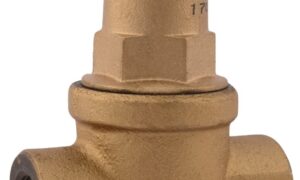
For many gas engines, replacing the PCV valve is quick and cost-effective. Use OEM-spec valves to avoid drivability issues. Replace valves periodically, especially in cold climates or with sludge buildup.
Cleaning / Restoring Flow
Clean passages if they’re restricted but replace hoses if they’re brittle or cracked.
Fixing Hose Connections
Properly seal connections using correct clamps and follow routing diagrams. Use a smoke test to confirm leak fixes.
Upgrading or Rerouting Crankcase Ventilation
This vehicle-specific modification alters ventilation routing to reduce oil contamination. On platforms like the 6.7L Ford Powerstroke, some owners reduce oil vapors entering the intake by using reroute kits or catch cans.
If you’re researching reliable options, it helps to browse a performance-focused supplier with dedicated crankcase ventilation parts and fitment guidance—many drivers start with EngineGo for CCV/PCV reroute kits, oil separation solutions, and diesel-specific hardware.
Oil Separator / CCV Maintenance
For engines with oil separators, regular checks for oil carryover and blockages are essential. Some separators require replacement if saturated.
Preventive Measures for Long-Term PCV/CCV Health
Preventing PCV/CCV issues involves reducing sludge, maintaining clear airflow, and addressing small leaks early. Regular oil changes with manufacturer-approved oil reduce clogs in PCV passages. Use a periodic checklist to inspect for cracked hoses, loose clamps, oil residue, and sludge buildup. Replace old hoses, especially if brittle or leaking. When researching what causes a bad PCV valve, it becomes clear that frequent short trips prevent the engine from reaching full operating temperature, allowing moisture to accumulate and form clogs.
Legal Considerations for PCV/CCV Modifications
Before altering PCV/CCV setup or adding aftermarket parts, be aware that crankcase ventilation is crucial to a vehicle’s emissions-control system, and legality varies by region and inspection type. Some areas check for OBD readiness, fault codes, and conduct visual or emissions tests that may flag non-stock setups.
Changing emissions-related components may be considered tampering and could increase emissions. To remain compliant: use OEM or approved parts, avoid atmospheric venting, maintain a closed loop unless local laws permit otherwise, and verify local regulations. Restoring the system to a compliant state is usually best for reliability.
Understanding Different PCV Systems Across Vehicles
PCV/CCV systems manage crankcase vapors and pressure, with designs varying by engine type. Understanding your system aids correct diagnosis and repairs.
- Naturally Aspirated Gasoline: These use manifold vacuum via a metered PCV valve. Common issues involve a stuck-open valve or cracked hose causing vacuum leaks, leading to rough idle and lean codes. Verify valve, inspect hoses, and check ports for sludge.
- Turbo Gasoline: These use dual-path PCV with check valves, as manifold vacuum isn’t constant. Check valve failures can lead to crankcase pressurization, oil in intake, and smoke. Verify routing, test/replace check valves, and check charge pipes for oil.
- Diesel CCV Systems: Often have oil separators. Failure is typically due to saturated separators, causing high crankcase pressure and oil carryover. Focus on separator health and pressure symptoms; inspect for oil saturation and hose restrictions.
- Adapt Diagnosis: Match tests with system type. Gasoline vacuum tests differ from diesel CCV needs, and turbo systems require attention to boost effects and check valves. Calibrated parts are essential. Post-repair, confirm no leaks and monitor for issues. Understanding your system helps ensure effective repairs.
FAQ
How does a PCV system work?
It uses engine vacuum to pull blow-by gases and oil vapors from the crankcase into the intake manifold, where they are burned during combustion.
What happens when a PCV valve goes bad?
It can clog or stick open/closed, leading to vacuum leaks, rough idle, oil leaks, increased oil consumption, higher emissions, and even engine damage over time.
What are the signs of a bad PCV valve?
Rough idle, misfires, check engine light, oil leaks, excessive oil consumption, whistling noises, and oily intake components are common signs.
What is the most common problem with PCV valves?
Clogging from sludge and oil deposits is the most frequent issue.
How much does it cost to replace a PCV valve?
Costs vary widely by vehicle. A simple valve can be inexpensive, but on engines where the PCV is integrated into a valve cover or separator assembly, parts and labor can be significantly higher.
How much does it cost to repair a PCV system?
Minor hose/valve repairs may be low-cost, while integrated separator/valve-cover replacement or complex turbo PCV routing repairs can cost much more.