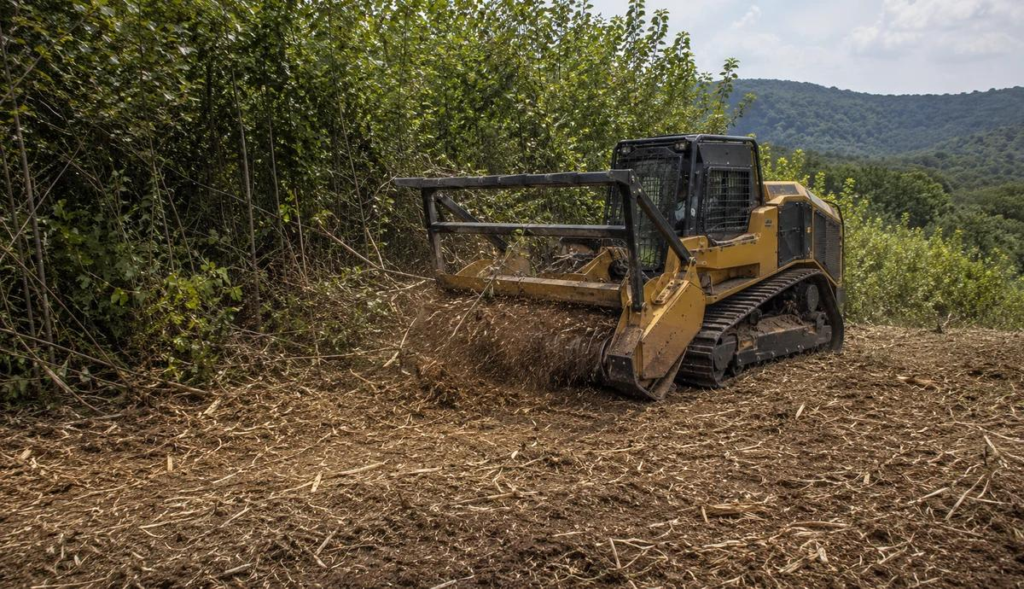
Forestry mulchers are designed to handle demanding land clearing and vegetation management tasks, but continuous operation in harsh environments can quickly accelerate machine wear. Rocks, soil, heavy brush, and other debris place constant stress on critical components, especially the cutting system. While regular maintenance is important, extending the service life of a forestry mulcher requires more than routine inspections. Proper operation, timely replacement of worn parts, and selecting durable components all play a key role in maintaining performance, reducing downtime, and improving the overall return on your equipment investment.
Understand What Causes Forestry Mulcher Wear
Forestry mulchers are built for demanding applications, but even heavy-duty machines can experience accelerated wear when operating under difficult conditions. Understanding the main causes of wear allows operators to take preventive actions, reduce unexpected downtime, and maintain consistent mulching performance.
Several factors commonly contribute to faster wear on forestry mulcher components:
- Abrasive working environments: Forestry mulchers often operate in areas with rocks, sand, soil, and hidden debris. These materials can create repeated impact and friction against cutting components, gradually reducing their effectiveness.
- Continuous heavy-duty operation: Long hours of mulching generate significant stress on the rotor system and cutting tools. Constant contact with dense vegetation increases heat, friction, and mechanical pressure, which can shorten component service life.
- Incorrect operating practices: Using improper working speeds, pushing the machine beyond its recommended capacity, or operating in unsuitable conditions can place unnecessary stress on the equipment. Over time, this may lead to faster wear of teeth, holders, and other critical parts.
- Delayed maintenance: Ignoring early signs of wear, such as reduced cutting efficiency, unusual vibration, or damaged cutting components, can allow minor issues to develop into more serious mechanical problems.
By identifying these wear factors and addressing them through proper maintenance and timely component replacement, operators can improve machine reliability and extend the working life of their forestry mulchers.
Inspect and Maintain Cutting Components Regularly
The cutting system is one of the most important parts of a forestry mulcher, and its condition directly affects machine productivity and operating costs. Regular inspection of cutting components helps identify wear problems early and prevents minor damage from affecting other parts of the machine.
During routine checks, operators should pay close attention to several key areas:
- Carbide tip condition: Inspect carbide tips for cracks, chipping, or excessive wear. Damaged tips can reduce cutting efficiency and make the machine work harder.
- Uneven tooth wear: Teeth that wear unevenly may indicate improper operating conditions or unbalanced cutting loads. Replacing worn components before they fail completely helps maintain consistent performance.
- Missing or damaged parts: Broken teeth or missing carbide inserts can affect the balance of the rotor and increase stress on related components.
- Mounting hardware condition: Loose bolts or damaged holders should be addressed immediately to prevent further equipment damage.
Worn teeth do not only reduce cutting performance but can also increase the workload on the rotor system and hydraulic components. Common signs that teeth may need attention include:
- Slower mulching speed
- Poor material processing results
- Increased machine vibration
- Higher fuel consumption
Replacing damaged components with reliable FAE replacement teeth can help restore cutting performance and reduce unnecessary stress on the machine. Regular inspection combined with timely replacement ensures that the forestry mulcher continues to operate efficiently in demanding environments.
Choose Durable Wear Parts for Better Performance
The quality of wear parts has a direct impact on the performance, reliability, and operating cost of a forestry mulcher. Since these components are exposed to constant impact and friction during operation, choosing durable parts can help maintain productivity and reduce the frequency of replacements.
Important wear components that require regular attention include:
- Cutting teeth: As the primary contact point with vegetation and debris, teeth need excellent wear resistance and impact strength to maintain effective cutting performance.
- Holders and mounting systems: Strong holders help keep teeth securely positioned and reduce the risk of unexpected damage during heavy-duty operation.
- Bolts and fasteners: High-quality fastening components help maintain stability and prevent loose connections that may affect machine balance.
- Rotor components: The condition of rotor-related parts can influence overall cutting efficiency and machine durability.
When selecting replacement components, operators should consider more than the initial purchase cost. Durable materials, proper design, and compatibility with the machine model are important factors that affect long-term performance. Selecting suitable forestry mulcher wear parts helps operators maintain productivity, reduce frequent replacement costs, and protect other critical components from excessive stress.
For forestry mulching applications involving tough vegetation and demanding terrain, investing in reliable wear components can significantly improve equipment efficiency and extend the service life of the machine.
Operate the Forestry Mulcher Correctly
Proper operation plays an important role in reducing unnecessary stress on a forestry mulcher and its cutting components. Even high-quality equipment can experience premature wear if it is used incorrectly or operated beyond suitable working conditions.
Maintaining the correct operating speed is essential. Running the machine at excessive RPM or forcing it through materials that exceed its capacity can increase pressure on the rotor system and accelerate wear on teeth. Operators should follow the recommended settings and adjust working speed based on the type and density of vegetation.
It is also important to match the forestry mulcher with the specific application. Different tasks require different operating approaches:
- Light brush clearing: Requires efficient cutting performance without unnecessary machine load.
- Heavy stump grinding: Demands stronger cutting components and careful operation to handle high resistance.
- Rocky terrain: Requires durable wear parts and slower, controlled operation to reduce impact damage.
By using the right operating methods for each working environment, operators can reduce stress on teeth, rotors, and other components while improving overall equipment lifespan.
Follow a Preventive Maintenance Schedule
A preventive maintenance schedule helps identify potential problems before they lead to unexpected downtime or expensive repairs. Instead of waiting until components fail completely, regular inspections allow operators to address wear issues early and keep the forestry mulcher operating efficiently.
A practical maintenance routine should include:
- Daily inspection before operation: Check teeth, holders, bolts, and other visible components to identify signs of damage or abnormal wear.
- Cleaning debris after work: Remove built-up material from the machine to prevent unnecessary stress and make future inspections easier.
- Checking bolts and holders regularly: Loose or damaged mounting components can affect cutting performance and increase the risk of further damage.
- Monitoring tooth wear: Track the condition of cutting teeth and replace worn parts before they significantly reduce productivity.
- Replacing damaged components promptly: Delaying replacement can increase downtime and may cause additional damage to the rotor system or other related parts.
A consistent maintenance routine not only improves equipment reliability but also helps operators achieve longer service life from their forestry mulchers while controlling long-term operating costs.
Use the Right Replacement Strategy to Reduce Downtime
Replacing worn components at the right time is an important part of maintaining forestry mulcher performance. Waiting until parts completely fail may lead to longer downtime, reduced productivity, and additional damage to other machine components.
When choosing replacement parts, operators should consider more than the initial purchase cost. A better replacement strategy focuses on:
- Service life: Durable components that withstand demanding conditions can reduce how often replacements are needed.
- Productivity: Properly maintained cutting parts help the machine maintain consistent mulching performance.
- Maintenance frequency: Reliable wear parts can reduce interruptions and lower overall maintenance requirements.
By evaluating the long-term value of replacement components instead of only the upfront price, operators can improve equipment efficiency and achieve lower operating costs over the entire service life of their forestry mulchers.
Conclusion
Extending the service life of a forestry mulcher requires a combination of proper operation, regular inspections, and effective wear part management. Small maintenance decisions can have a significant impact on equipment reliability, productivity, and long-term operating costs. By monitoring component condition and replacing worn parts at the right time, operators can keep their machines performing efficiently in demanding environments. Choosing durable teeth and maintaining critical wear components properly allows forestry mulchers to deliver consistent performance and a longer working lifespan.