
How to Create a Cohesive Modern Home Inside and Out?

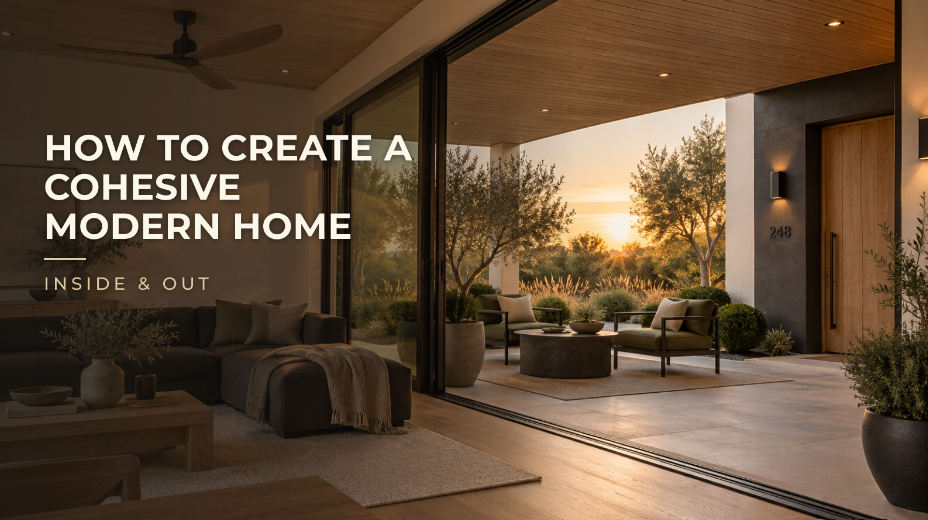
A modern home should feel connected from the moment someone approaches the front door to the time they step into the living room or relax on the patio. Creating that connection does not mean using the same colors, furniture, or finishes everywhere. It means making thoughtful design choices that work together and reflect a consistent style.
Color palettes, lighting, materials, furniture, and architectural details all contribute to the overall appearance of a property. When these elements complement one another, even small improvements can make a home feel more polished and functional.
Whether you are renovating an existing property or updating a few rooms, the following ideas can help you create a cohesive modern home inside and out.
1. Start With a Consistent Color Palette
Color is one of the simplest ways to connect different areas of a home. A carefully selected palette creates visual continuity without making every room look identical.
Start with two or three foundational colors. Warm white, beige, soft gray, and charcoal are popular choices for contemporary spaces because they work well with a range of materials and furniture styles. You can then introduce accent colors through artwork, cushions, decorative objects, or exterior details.
The same principle applies outside. If your interior features warm neutrals and natural wood, an exterior palette with complementary tones can help the property feel more unified. Dark window frames, understated trim, or a coordinated front door can reinforce the overall design.
You do not need to repeat every color throughout the property. Instead, choose a few recurring shades and use them in different ways. This approach creates a consistent visual identity while allowing individual rooms to retain their own character.
2. Coordinate Materials and Finishes
Modern design often combines contrasting materials to create interest without excessive decoration. Wood introduces warmth, glass keeps spaces feeling open, and metal adds definition. Stone and concrete can provide texture and a more architectural appearance.
The key is to be selective. Combining too many unrelated finishes can make a space feel disjointed, particularly when the interior and exterior are visible from one another.
Look for opportunities to repeat materials in subtle ways. A wood finish used in the living room might complement an outdoor dining table, while black metal accents could appear in cabinet hardware, light fixtures, and exterior fittings.
Pay attention to undertones as well. Warm wood generally works best with finishes that complement its natural color, while cooler surfaces may suit different metal or paint combinations.
Consistency does not require identical materials everywhere. A better approach is to choose finishes that share similar colors, textures, or visual qualities. This creates a natural connection between rooms and outdoor areas without making the design feel repetitive.
3. Use Lighting to Connect Different Spaces
Lighting affects both the appearance and functionality of a modern home. The right fixtures can highlight architectural features, make rooms more comfortable, and create a welcoming transition between indoor and outdoor areas.
Inside, combine ambient lighting with task and accent lighting. Ceiling fixtures provide general illumination, while table lamps, under-cabinet lights, and wall sconces serve more specific purposes. This layered approach makes it easier to adjust the atmosphere according to the room and activity.
When selecting fixtures, consider their finish, shape, and color temperature. A home with simple architectural lines may benefit from streamlined fixtures, while a space with natural textures might suit warmer finishes.
Outdoor lighting deserves similar attention. Wall sconces near the entrance, pathway lights, and appropriately positioned patio fixtures can improve visibility while complementing the home’s architecture. Choose products rated for their intended outdoor exposure and local conditions.
Lighting does not have to match exactly from one area to another. Instead, aim for a consistent design language. Repeating a finish or choosing fixtures with similar shapes can connect the spaces while allowing each area to meet its own lighting needs.
4. Choose Furniture and Fixtures That Suit the Architecture
Furniture and fixtures should support the proportions and character of a room. Oversized pieces can overwhelm smaller spaces, while furniture that is too small may leave larger rooms feeling empty. Measuring the available area before purchasing major items helps create a balanced layout.
Contemporary interiors often benefit from clean lines, practical furniture arrangements, and a thoughtful mix of textures. Rather than filling every corner, leave enough open space for comfortable movement and allow key design elements to stand out.
Ceiling fixtures also influence the overall appearance. Modern ceiling fans can complement contemporary interiors when their proportions, finishes, and profiles suit the room. A streamlined fan may work well in a minimalist living room, while a warmer wood finish can complement natural materials in a bedroom or open-plan space.
Appearance should not be the only consideration. Check the room’s dimensions, ceiling height, airflow requirements, and the manufacturer’s installation guidance before choosing a fan. For covered patios or other outdoor areas, select a model specifically rated for the expected moisture and weather exposure.
Finally, coordinate visible finishes where it makes sense. Cabinet hardware, door handles, lighting fixtures, and fan details can work together without needing to match perfectly. A consistent approach to these small elements helps the entire home feel considered.
5. Make Outdoor Living Areas Feel Connected to the Interior
A patio, porch, or outdoor seating area can feel like a natural extension of the home when its design relates to the interior. This is particularly effective when the spaces are connected by large windows, sliding doors, or an open-plan layout.
Start by considering the colors and materials visible from inside the house. Outdoor furniture in complementary tones can establish a visual connection, while planters, rugs designed for outdoor use, and coordinated lighting help make the space more inviting.
Function should guide the layout. A dining area needs enough room for chairs to move comfortably, while a lounge area benefits from a clear arrangement around its seating. Keep walkways unobstructed and choose furniture that can withstand local weather conditions.
If the outdoor area is covered, consider how lighting and airflow will support its use throughout the day. Fixtures should be selected according to the space’s exposure and installation requirements rather than appearance alone.
The goal is not to duplicate the living room outside. Instead, create a related environment with materials, colors, and proportions that feel consistent with the rest of the property.
6. Improve Curb Appeal With Thoughtful Exterior Details
The exterior establishes the first impression of a home. Even when the architecture is simple, carefully chosen details can make the entrance feel welcoming and visually balanced.
Begin with the main features: the front door, exterior finishes, windows, lighting, and landscaping. These elements should work together rather than compete for attention. If the facade already has strong architectural details, a restrained approach to decoration can be more effective than adding multiple contrasting features.
Address numbers are another small detail that deserves consideration. Modern house numbers can complement a contemporary facade through their typography, size, finish, and placement. Minimalist numerals may suit a clean-lined exterior, while darker or metallic finishes can create contrast against lighter surfaces.
Visibility matters as much as appearance. Choose a size and color that make the address easy to read from the street, and place the numbers where visitors can identify them without obstruction. Consider the background material, viewing distance, and available lighting before making a final decision.
You can reinforce the design by coordinating the number finish with nearby door hardware, exterior sconces, or other architectural accents. These details do not need to be identical, but they should feel compatible.
Keep the entrance practical as well. Clear pathways, visible address numbers, suitable lighting, and well-maintained surfaces contribute to an exterior that looks good and functions effectively.
7. Use Landscaping to Reinforce the Modern Look
Landscaping can connect a home’s architecture with its surrounding environment. A simple planting scheme often works well with contemporary properties because it allows the building’s lines and materials to remain prominent.
Choose plants according to the local climate, sunlight, available space, and maintenance requirements. A combination of different heights and textures can add depth without making the garden look crowded. Repeating a few plant varieties or using coordinated planters helps maintain a consistent appearance.
Hardscaping matters, too. Pathways, edging, gravel, and paving should complement the exterior finishes. For example, understated paving may suit a minimalist facade, while natural stone can introduce texture to a home with warmer materials.
Keep practical considerations in mind when planning the layout. Plants should not block entrances, obscure address numbers, or interfere with pathways. Outdoor lighting should also be positioned to provide useful illumination without creating excessive glare.
Thoughtful landscaping can soften modern architecture and make the transition between the building and its surroundings feel more natural.
8. Avoid Common Modern Home Design Mistakes
Creating a cohesive home is often more about making careful decisions than adding more features. Several common mistakes can disrupt an otherwise well-planned design.
One is introducing too many colors, materials, and metal finishes without a clear plan. Variety can add interest, but unrelated choices may make the interior and exterior feel disconnected.
Another mistake is prioritizing appearance over practical needs. Furniture should fit the available space, lighting should provide appropriate illumination, and ceiling fans should suit the room’s dimensions and installation conditions.
Outdoor products require particular attention. Fixtures, furniture, and decorative elements must be appropriate for their intended exposure and maintenance requirements.
It is also unnecessary to make every room look the same. A bedroom can feel softer than a living room, and an outdoor seating area can have its own character. What matters is that the spaces share a few recognizable elements, such as a color palette, complementary materials, or consistent finishes.
Finally, avoid making too many changes at once. Reviewing the existing space and prioritizing the most noticeable improvements can help you achieve a more balanced result without unnecessary expense.
A Simple Checklist for a Cohesive Modern Home
Before completing your next home improvement project, review these key points:
- Choose a consistent color palette for interior and exterior spaces.
- Coordinate materials and finishes without making every surface identical.
- Use layered lighting indoors and suitable fixtures outdoors.
- Select furniture and ceiling fixtures according to room size and function.
- Connect patios and porches to the interior through complementary colors and materials.
- Keep the front entrance uncluttered, well-lit, and easy to identify.
- Choose landscaping that complements the architecture and suits the local climate.
- Prioritize durability, comfort, and maintenance alongside appearance.
Conclusion
Creating a cohesive modern home is about making individual design choices work together. Consistent colors, complementary materials, thoughtful lighting, appropriately sized fixtures, and carefully planned outdoor areas can make a property feel more connected from the inside out.
Small details matter, too. A well-chosen ceiling fixture can support the comfort and appearance of an interior, while carefully positioned address numbers can complete the front entrance. By focusing on both functionality and visual consistency, homeowners can create spaces that feel modern, welcoming, and practical without relying on unnecessary decoration.







Comment