
How to Choose the Right Water Filtration Solution for Your Kitchen

Introduction
The kitchen is one of the busiest areas of any home. Drinking water is needed for filling glasses, preparing hot beverages, cooking meals, washing produce, and filling reusable bottles. Because water is used so frequently, choosing a suitable filtration solution can make everyday routines more convenient while helping address specific water quality concerns.
However, the wide range of available products can make the selection process confusing. Pitcher filters, faucet-mounted units, countertop systems, under-sink filters, and reverse osmosis equipment all have different advantages, limitations, and maintenance requirements.
Rather than choosing a product based only on price or appearance, homeowners should consider the quality of their incoming water, their daily usage, available kitchen space, and the contaminants they want to reduce.
Start by Understanding Your Water Quality
Before purchasing a filter, it is helpful to understand what is in the water entering the home. Municipal water suppliers commonly publish water quality reports that describe the source, treatment process, and results of required testing.
These reports can help homeowners identify possible concerns, but the condition of household plumbing may also influence water quality at the tap. For example, older plumbing can introduce certain contaminants under particular circumstances.
Private-well owners should arrange appropriate laboratory testing because well water does not receive the same routine monitoring as municipal supplies. Testing recommendations depend on the location, well conditions, and possible sources of contamination.
Once the water quality is understood, homeowners can identify which ro water filtration system technology is most appropriate. A filter designed primarily for chlorine taste will not necessarily address dissolved metals, nitrate, or other contaminants. Matching the treatment method to the problem is essential.
Compare the Main Types of Water Filters
Different filtration technologies are designed for different purposes. Understanding these differences can narrow the available choices.
Pitcher and Faucet Filters
Pitcher filters are generally easy to use and require little installation. Faucet-mounted models provide filtered water directly from the tap, although compatibility and flow rate vary.
Many of these products use activated carbon to improve taste and odor. Some models are also tested to reduce specific contaminants, but the exact capabilities depend on the product.
Countertop Systems
Countertop filters sit beside the sink and connect to the faucet or another water supply arrangement. They can be useful when homeowners want filtration without installing equipment inside the cabinet.
However, these systems occupy counter space and may not suit every kitchen layout.
Under-Sink Filters
Under-sink systems place most of the filtration components inside the cabinet below the sink. They provide a fixed source of treated water and may use carbon, ultrafiltration, reverse osmosis, or a combination of technologies.
Reverse Osmosis Systems
Reverse osmosis systems use a semipermeable membrane to reduce many dissolved substances. Depending on their specifications, they may be appropriate for households that need more extensive treatment than a standard carbon filter provides.
When Should You Consider Reverse Osmosis?
Reverse osmosis is worth evaluating when the water quality assessment identifies dissolved contaminants that the selected system is designed to reduce.
A ro water filtration system often includes multiple stages to protect the membrane and improve the quality of the treated water. Pretreatment may remove sediment and chlorine, while the membrane reduces many dissolved substances. Some models include an additional stage to adjust taste.
However, reverse osmosis is not automatically the best choice for every household. If the only concern is chlorine taste and odor, a properly certified carbon filter may be sufficient and may require less water and maintenance.
Reverse osmosis systems also have operating requirements, including suitable feed-water pressure, regular filter replacement, and wastewater management. Comparing these factors with the home’s actual needs helps prevent unnecessary spending.
Why Under-Sink Installation Can Be Practical
Kitchen counters often hold small appliances, cutting boards, cooking ingredients, and other everyday items. Installing a filtration system beneath the sink can help keep this workspace clear.
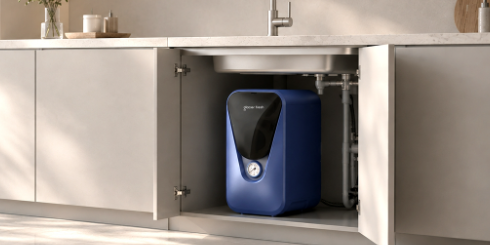
An under sink reverse osmosis system usually delivers treated water through a dedicated faucet or compatible integrated dispenser. Once installed, it can provide convenient access without requiring a separate countertop device.
Before purchasing, measure the cabinet’s width, height, and depth. Remember to account for plumbing pipes, a garbage disposal, cleaning supplies, and the space needed to remove filter cartridges.
Also check whether the product requires a dedicated faucet hole, a drain connection, or an electrical outlet. Tankless systems may require power, while other configurations may operate differently. Reviewing the installation guide in advance can help avoid unexpected costs.
Tankless and Tank-Based Designs
Tank-based under sink reverse osmosis system stores treated water for use when the faucet is opened. Their storage capacity can be useful for households that need quick access to drinking water, but the tank occupies additional cabinet space.
Tankless models generally produce treated water as needed. Their compact design can be attractive in smaller kitchens, although output depends on the unit’s rated capacity and incoming water conditions.
Some tankless systems include pumps and electronic monitoring, which may improve functionality but also introduce additional components to maintain.
When comparing the two designs, consider daily water consumption, the number of people in the household, water pressure, and the speed at which the system can replenish treated water.
Evaluate Filtration Performance and Certifications
Marketing descriptions may use phrases such as advanced filtration, multi-stage purification, or high-performance membrane technology. These terms do not provide enough information to determine exactly what a filter removes.
Homeowners should look for independent certification and detailed performance data. Different NSF/ANSI standards cover different aspects of water treatment, including material safety and the reduction of specific contaminants.
Check whether the exact model is certified for the substance of concern and whether the claim applies to the complete system. A product’s certification for one purpose does not mean it removes every contaminant.
It is also useful to compare rated flow, membrane performance, water efficiency, and the recommended service intervals. These details offer a clearer picture of the system’s practical value.
Consider Maintenance and Replacement Costs
A water filter is not a one-time purchase. Cartridges, membranes, and other components need replacement according to the manufacturer’s recommendations.
Before choosing a system, check the price and availability of replacement filters. A model with affordable cartridges and clear maintenance instructions may be easier to own over several years than one with costly or difficult-to-find parts.
Consider how frequently the household uses the filter and how the manufacturer calculates replacement intervals. Some filters are replaced after a set period, while others also have rated capacity limits.
Regular inspection is equally important. Check connections for leaks, monitor water flow, and follow the instructions for cleaning or sanitizing the system. Proper maintenance helps the equipment operate as intended.
Think About Household Water Consumption
A small household that drinks relatively little tap water may have different needs from a family that fills multiple reusable bottles and uses filtered water for cooking throughout the day.
Estimate how much drinking and cooking water the household uses daily. Then compare that amount with the system’s rated output and storage capacity.
If several people regularly use filtered water, production rate and recovery time may be important. A system that cannot keep up with household demand may become inconvenient, regardless of its filtration capabilities.
For larger households, it may be helpful to compare models with higher rated output or a storage configuration that better suits usage patterns.
Balance Price, Convenience, and Long-Term Value
Price should be considered alongside performance and maintenance. An inexpensive system may be appropriate for a simple taste concern, while a more advanced unit may be justified when testing identifies contaminants requiring additional treatment.
However, paying more does not guarantee better performance for every water quality problem. The most suitable product is the one that meets the household’s actual requirements.
Include installation, replacement cartridges, wastewater, and any electricity costs in the budget. Compare warranties and customer support as well, particularly if the system contains electronic components or requires specialized installation.
A practical buying decision balances verified filtration performance with everyday convenience and manageable ownership costs.
Conclusion
Choosing the right kitchen water filtration system starts with understanding the incoming water and identifying the specific concerns that need attention. Carbon filters, countertop units, under-sink systems, and reverse osmosis products each serve different purposes, so homeowners should compare them according to verified performance rather than marketing language alone.
A properly selected ro water filtration system may help reduce certain dissolved contaminants, while an under sink reverse osmosis system provides a discreet way to access treated water directly in the kitchen.
By reviewing water quality, installation requirements, product certifications, maintenance schedules, and long-term costs,
homeowners can choose a filtration solution that fits their space, budget, and daily routine.






Comment