Choosing the right equipment for rubber production is not always simple. There are many options out there, and each one comes with its own set of features. So, how do you know which one will actually work for your needs? In this guide, we will walk through the basics of rubber molding machines, what to look for before buying, and how to find the right supplier. Whether you are just starting out or upgrading your current setup, this post will help you make a smarter choice.
What Is a Rubber Molding Machine?
A rubber molding machine is industrial equipment used to shape rubber into finished parts. It works by applying heat and pressure to raw rubber. The rubber then takes the shape of a mold. After cooling, the part holds its form. These machines are used in many industries, including automotive, healthcare, electronics, and construction.
There are three main types of rubber molding processes. Each one works a little differently, and each is better suited for certain applications.
- Compression molding – Raw rubber is placed in an open mold. The press then closes and applies heat and pressure until the rubber fills the cavity.
- Transfer molding – Rubber is placed in a chamber above the mold. Pressure pushes the material through a gate into the mold cavity.
- Injection molding – Pre-heated rubber is injected directly into a closed mold under high pressure. This method is fast and precise.
Each method has its strengths. Therefore, knowing your product type and production volume will help you pick the right one.
Why the Right Equipment Matters
Using the wrong machine can cause real problems. Parts may come out uneven. Cycle times may be slow. You might end up wasting material. On the other hand, the right machine improves quality, reduces waste, and keeps your production line running smoothly. For example, a study by the Rubber Manufacturers Association found that businesses using well-matched equipment saw up to 30% fewer defects in output. That is a big deal when you are producing parts at scale.
Furthermore, the right machine helps your team work more safely. Modern machines have built-in safety systems that older equipment simply does not have. So, investing in the right tool is not just about output. It is also about the people running it every day.
Key Things to Look at Before You Buy
Before you spend money on any equipment, you need to ask the right questions. Here are some of the most important factors to consider when buying a rubber molding press.
Tonnage and Clamping Force
Tonnage refers to how much force the press applies to keep the mold closed during the cycle. If the force is too low, rubber can leak out of the mold. This creates flash, which is extra rubber around the edges of the part. Too much force, on the other hand, can damage the mold over time. As a result, you need to match the tonnage to your mold size and part design.
Platen Size
The platen is the flat surface that holds the mold. It must be large enough to fit your mold with some space left over. If the platen is too small, you cannot use larger molds in the future. So, think ahead. Plan for the sizes you may need down the road, not just today.
Temperature Control
Rubber cures at specific temperatures. If the temperature is uneven or hard to control, your parts will come out inconsistent. Look for machines with precise, zone-based heating systems. Good temperature control also helps extend the life of your molds.
Level of Automation
Some presses are fully manual. Others come with semi-automatic or fully automatic controls. Automatic machines can run faster with fewer errors. However, they also cost more upfront. Think about your budget and your team’s skill level before making this choice.
Understanding a Rubber Molding Press
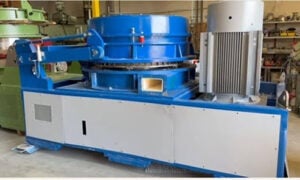
A rubber molding press is the heart of any rubber production setup. It creates the pressure and heat needed to shape raw rubber into finished parts. Most presses today use hydraulic systems. These systems offer smooth, consistent pressure throughout the cycle. As a result, parts come out more uniform.
Here is a quick breakdown of the main parts of a standard rubber molding press:
- Hydraulic cylinder – Generates the clamping force to close the mold tightly.
- Heating platens – Provide the heat needed to cure the rubber compound.
- Control panel – Lets operators set time, temperature, and pressure for each cycle.
- Frame and structure – Holds everything in place under high load conditions.
When all these parts work together properly, the press runs efficiently and produces quality parts with minimal waste. Moreover, modern presses often come with digital controls that make it easier to save and repeat settings for different products.
How to Find Good Rubber Molding Press Manufacturers
Not all suppliers are the same. Some focus on low-cost machines that may not last long. Others offer premium builds with full service packages. So, how do you find the right one?
Start by looking at experience. Established rubber molding press manufacturers will have case studies, client lists, and product certifications you can check. They should also be able to answer technical questions clearly. If a supplier cannot explain how their machine works in simple terms, that is a warning sign.
In addition, check for after-sales support. What happens if something breaks down? Does the manufacturer offer spare parts? Do they have service technicians who can visit your facility? These details matter a lot once the machine is installed and running.
You should also ask about lead times and delivery. Some manufacturers take months to deliver. Others can ship within weeks. Knowing this upfront helps you plan your production schedule better.
Common Mistakes Buyers Make
Many buyers focus too much on price. They pick the cheapest machine and then face problems later. Downtime, repairs, and lost production can end up costing far more than the savings on the original purchase. Therefore, it is smarter to think about total cost of ownership, not just the sticker price.
Another common mistake is not testing the machine before buying. A good manufacturer should be willing to run a test with your rubber compound. If they are not willing to do this, think twice before moving forward.
Finally, some buyers skip the installation and training phase. Even a well-built machine will underperform if the team does not know how to use it properly. So, make sure the manufacturer offers training as part of the package.
Maintenance Tips to Keep Your Machine Running Well
Even the best machine needs regular care. Without proper maintenance, even a high-quality rubber molding machine will start to lose performance over time. Here are some basic steps that can make a big difference:
- Clean the mold and platen surfaces after every production run to prevent buildup.
- Check hydraulic fluid levels weekly and replace fluid according to the manufacturer’s schedule.
- Inspect heating elements and thermocouples monthly to make sure temperatures stay accurate.
- Lubricate moving parts regularly to reduce wear and prevent unexpected breakdowns.
Following a simple maintenance routine will extend the life of your press and reduce the chance of costly downtime. Many rubber molding press manufacturers offer maintenance guides with their machines. Use them.
Industry Trends Worth Knowing
The rubber industry is changing. More factories are moving toward automated and smart equipment. Some new machines now connect to software that tracks production data in real time. This helps managers spot problems early and make adjustments without stopping the line.
Also, energy efficiency is becoming more important. Older machines used a lot of electricity. Newer models are designed to use less power without sacrificing output. This is good for both the environment and your electricity bill. Furthermore, as supply chains become more complex, many businesses are choosing to work with local rubber molding press manufacturers to reduce shipping costs and lead times.
Final Thoughts
Buying a rubber molding machine is a serious investment. It will directly affect your production quality, your costs, and your team’s daily work. Because of this, it is worth taking the time to do your research. Understand the different machine types, know your production needs, and ask the right questions when talking to suppliers.
A reliable rubber molding press does not just shape rubber. It shapes your whole production process. So, choose wisely. Work with rubber molding press manufacturers that have a proven track record, offer solid support, and are honest about what their machines can and cannot do. When you find the right partner, the rest becomes much easier.
If you are still unsure where to start, reach out to a few different manufacturers. Ask for quotes, request demos, and compare your options carefully. The right rubber molding machine is out there. You just need to know what to look for.