
How to Choose the Right Log Splitter for Your Firewood Needs

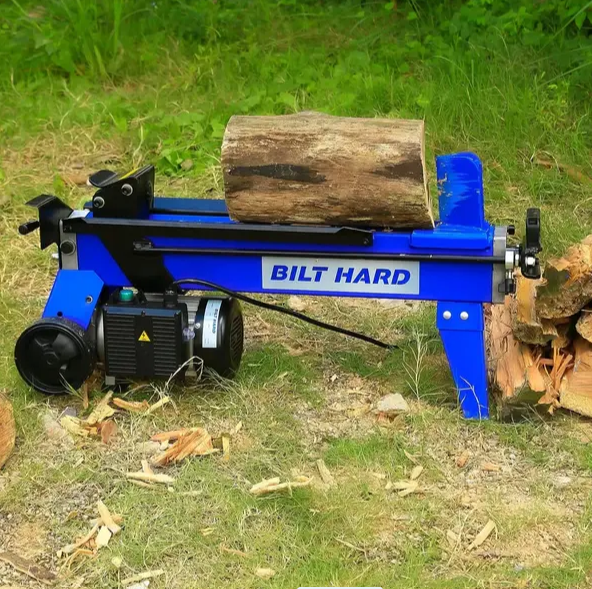
Choosing a machine for preparing winter firewood isn’t just about buying the most powerful option available. The right splitter depends on how much wood you process, what type of logs you handle, and where you plan to work. For homeowners, landowners, and anyone preparing firewood regularly, selecting the right logsplitter can save hours of manual labor and make seasonal wood preparation much easier.
Match Your Log Splitter to Your Firewood Usage
The first question to ask is how much firewood you actually need to split each year. A homeowner who uses a fireplace occasionally has very different needs from someone heating a home with wood or managing several acres of trees.
For small backyard firewood projects, a compact splitter may provide enough power for smaller seasoned logs. These users usually value easy storage, simple operation, and low maintenance. However, people who prepare multiple cords of firewood each season need a machine that can handle longer working sessions without slowing down.
Rural property owners and homesteaders often deal with larger rounds, fallen trees, and mixed wood types. In these situations, choosing a machine based only on average logs can lead to problems when larger or harder pieces appear in the pile.
Consider Wood Type, Size, and Splitting Difficulty
Not all firewood requires the same amount of force. Softwoods such as pine are generally easier to split, while dense hardwoods like oak and maple can require much more power, especially when the logs are large or freshly cut.
The diameter and condition of the wood also matter. Large rounds, twisted grain, and green wood can place additional stress on a splitter. If your firewood pile includes different species or irregular pieces, choosing extra capacity can help prevent frequent stalls and repeated splitting.
For users who regularly process heavy hardwood, a stronger machine can also reduce physical strain. Instead of lifting and repositioning difficult logs repeatedly, features such as vertical splitting capability and hydraulic assistance can make the entire process more manageable.
Choose Gas Power for Heavy-Duty Firewood Work
Power source is another important decision when selecting a splitter. Electric models work well for smaller jobs near a power outlet, but they may not provide the mobility needed for large properties or remote splitting areas.
A wood splitter gas powered model is often a better fit for users who process large amounts of firewood outdoors. Gas-powered machines let you work away from electrical connections and are commonly chosen by homeowners with large yards, farmers, and serious firewood users.
For example, the BILT HARD LOG-X 35-Ton Full Beam Gas Log Splitter with Hydraulic Log Lift is designed for demanding firewood processing tasks. Its heavy-duty design, hydraulic lifting assistance, and multiple wedge options help users handle larger logs while reducing the effort required during repeated splitting.
Look for Features That Improve Daily Operation
Power is important, but practical features often determine how comfortable a splitter is to use over time. A strong frame helps support repeated operation, while a reliable hydraulic system improves consistency when working through tough logs.
Horizontal operation works well when handling normal-sized pieces that can be lifted easily. Vertical operation becomes valuable when logs are too heavy to place on the beam without extra effort.
Other useful features include towable designs for moving equipment around a property, automatic return systems for faster workflow, and wedge options that allow users to split logs into multiple pieces in fewer passes.
The best log splitter is the one that matches your real firewood routine. By considering your wood volume, log size, working location, and preferred features, you can choose equipment that makes firewood preparation faster, easier, and more reliable.







Comment