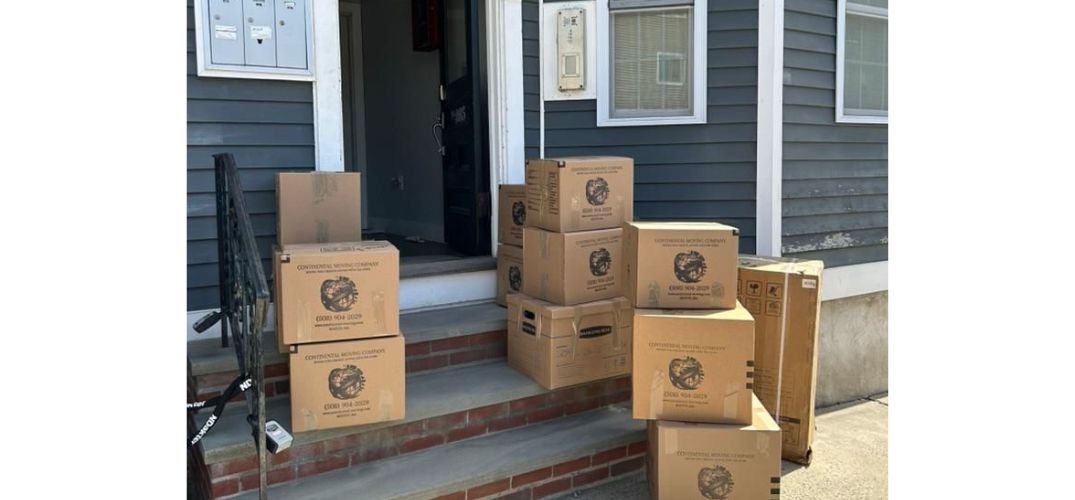
Relocating in a major metropolitan area requires more than packing boxes and loading a truck. Boston presents a unique set of challenges that affect timelines, costs, and overall moving outcomes. Dense neighborhoods, strict parking rules, aging buildings, and sharp seasonal demand swings all play a role.
For people researching movers in Boston, reliability should be evaluated through objective criteria rather than advertisements or promotional claims. This article explains how the moving industry operates, what makes Boston different from other US cities, and which practical indicators help identify dependable service providers.
The goal is not to recommend specific companies, but to equip readers with knowledge that reduces risk and leads to better decisions.
How the Moving Industry Operates in the United States
Understanding how movers are regulated and structured is essential before comparing options.
Local versus interstate moves
Moves that stay within Massachusetts are considered intrastate. Moves that cross state lines fall under interstate regulations. Each category follows different rules, but both require licensing, insurance, and standardized documentation.
Legitimate movers are registered, insured, and accountable. This creates a baseline level of consumer protection and establishes traceability if disputes arise.
Why regulation matters
While licensing does not guarantee service quality, unlicensed operators appear disproportionately in consumer complaints. Verifying credentials filters out a large percentage of high-risk providers before price or availability is even considered.
Why Boston Moves Are More Complex Than Average
Boston is not an easy city to move in. Several local factors directly affect reliability.
Older housing stock
Large portions of Boston consist of buildings constructed before modern access standards. Common characteristics include:
- Walk-up apartments without elevators
- Narrow staircases
- Tight hallways
- Limited staging space at entrances
These conditions increase labor time and raise the importance of experience and planning.
Parking restrictions and permits
In many neighborhoods, curb space must be reserved in advance using temporary parking permits and posted signage. Permit applications typically require lead time, and fees commonly range between $69 and $109 depending on location and duration.
If parking is not secured, trucks may be forced to park far from the building, increasing carry distance and total labor time.
Seasonal demand pressure
Boston’s moving market experiences intense seasonality:
- Summer months have the highest demand
- Late August and early September see extreme volume due to lease cycles
- Winter demand drops sharply
During peak periods, availability tightens and labor consistency becomes more variable.
What “Reliable” Actually Means in a Moving Context
Reliability is not defined by marketing language. In practical terms, it includes:
- Accurate estimates that account for access conditions
- Clear documentation provided before move day
- Transparent explanation of liability coverage
- Preparedness for parking and building rules
- Predictable crew structure and supervision
These elements reduce surprises and disputes.
Realistic Cost Benchmarks for Movers in Boston
Understanding typical price ranges helps identify estimates that are incomplete or unrealistic.
National context
Across the United States, local moves often fall in the $1,000 to $3,000 range depending on home size, labor hours, and services. Long-distance moves scale higher based on weight and mileage.
These are broad benchmarks rather than quotes, but they establish that professional moving services involve substantial labor and overhead.
Boston labor reality
Labor is the primary cost driver. In higher-cost metro areas like Boston, hourly wages for moving crews trend above national medians. This directly influences hourly moving rates.
As a result, Boston rates commonly exceed national averages, especially during peak season.
Table 1: Common Local Moving Rate Ranges in Boston
| Crew size | Typical hourly range |
| 2 movers + truck | $140 to $200 |
| 3 movers + truck | $190 to $260 |
| 4 movers + truck | $240 to $320 |
Rates vary based on season, access complexity, and minimum hour policies. Quotes significantly below these ranges often exclude key factors such as travel time, stairs, or materials.
Estimate Types and Why They Matter
Many moving disputes originate from misunderstanding how estimates work.
Binding estimates
A binding estimate sets a fixed price for the listed inventory and services. If nothing changes, the price does not increase. If items or services are added, a revised agreement is required.
Non-binding estimates
A non-binding estimate is an approximation. The final cost depends on actual labor time or shipment details.
Reliable movers explain these differences clearly and document them in writing.
Table 2: Estimate Types Compared
| Estimate type | Price flexibility | Consumer risk level |
| Binding | Fixed for listed scope | Low if inventory is accurate |
| Non-binding | Adjusts based on actual work | Moderate if scope is unclear |
The reliability signal is not which estimate type is used, but how thoroughly the scope is defined.
Labor Quality and Its Impact on Reliability
Labor quality is the single most important factor in a successful move.
Training and experience
Experienced crews are faster, safer, and less likely to cause damage. Skills that matter include:
- Proper furniture disassembly
- Load balancing in the truck
- Protective wrapping techniques
- Navigating tight staircases without damage
In dense cities like Boston, experience often matters more than speed.
Crew consistency
Some companies rely on rotating or short-term labor, especially during peak season. Others use more consistent crews with established procedures.
Consistency reduces errors and improves predictability.
Understanding Liability Coverage Without the Confusion
Many consumers assume that movers automatically insure items at full value. This is not the case.
Released value protection
This basic coverage is calculated by weight, typically at $0.60 per pound per item. It offers minimal compensation and is included by default unless another option is selected.
Full value protection
This optional coverage increases the mover’s responsibility to repair, replace, or compensate for damaged items based on declared value terms.
Reliable movers explain these options before move day and document the selection clearly.
Red Flags That Indicate Higher Risk
Certain patterns consistently correlate with poor outcomes.
- Unrealistically low quotes
- Vague explanations of insurance or liability
- Missing written documentation
- Pressure to commit immediately
These signals often precede disputes or unexpected charges.
Frequently Asked Questions
How far in advance should a Boston move be planned?
Peak season moves are often scheduled four to eight weeks ahead. Off-peak moves may require less lead time.
Do movers handle parking permits?
Some movers assist with the process, while others require customers to obtain permits. This should be clarified in advance.
Why do short-distance Boston moves sometimes take longer than expected?
Stairs, parking distance, traffic, and building access often have more impact than mileage.
Final Perspective
Choosing reliable movers in Boston requires understanding how regulation, labor, seasonality, and urban logistics interact. Promotional language and star ratings offer limited insight compared to clear documentation, realistic estimates, and operational transparency.
By focusing on objective indicators, consumers can reduce risk and align expectations with the realities of moving in one of the most logistically challenging cities in the United States.