Knowing how to Check Account Number details correctly is essential for managing your finances, receiving payments, and completing secure transactions. Whether you’re transferring money, setting up direct deposits, or verifying banking details for official paperwork, having the right information at the right time prevents delays and costly mistakes.
In today’s digital banking environment, financial institutions like JPMorgan Chase, Bank of America, and Wells Fargo provide multiple ways for customers to access their account details securely. Below is a complete guide to help you find and verify your bank account information with confidence.
What Is an Account Number?
An account number is a unique string of digits assigned by your bank to identify your specific account. It differs from routing numbers, debit card numbers, and credit card numbers. While routing numbers identify the financial institution, your personal banking number identifies your individual account within that institution.
Keeping this number secure is critical because it is directly linked to your financial transactions.
Ways to Find Your Account Number
There are several safe and convenient methods to locate your banking details:
1. Check Your Bank Statement
Your monthly bank statement—whether paper or electronic—contains your full account number. Typically, it appears near the top of the document alongside your name and address. If you use online banking, you can download statements directly from your bank’s website or mobile app.
2. Log Into Online Banking
Most banks offer secure online portals and mobile apps where you can view account details. After logging in, navigate to your account summary or profile section. Some banks partially mask the number for security, but you can often reveal the full number after identity verification.
3. Review Your Checkbook
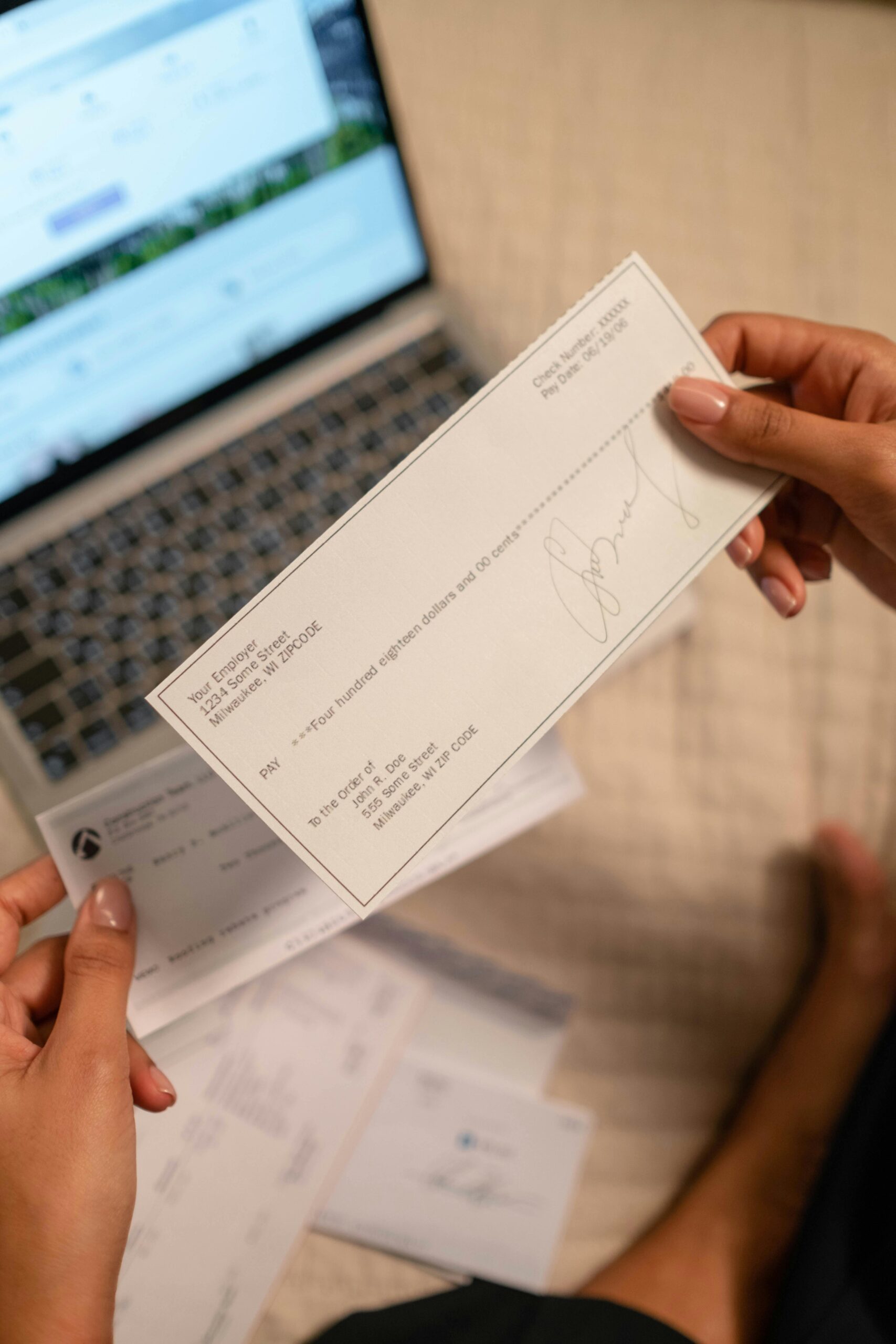
If you have a physical checkbook, your account number is printed at the bottom of each check. It is usually located between the routing number and the check number. Be cautious when sharing checks, as they contain sensitive banking details.
4. Contact Customer Service
If you’re unable to locate your details, contact your bank’s customer support line. Representatives will verify your identity before providing any sensitive information. Never share full banking details via unsecured email or text.
5. Visit Your Local Branch
For in-person assistance, visiting your bank branch with valid identification is one of the safest options. A banking officer can provide your account information and answer related questions.
Security Tips When Accessing Banking Information
While it’s important to know how to access your details, protecting them is equally crucial. Follow these best practices:
-
Never share your full account number on public platforms.
-
Avoid storing sensitive information in unsecured notes apps.
-
Use strong passwords for online banking.
-
Enable two-factor authentication whenever possible.
-
Monitor transactions regularly for suspicious activity.
Cybersecurity threats continue to evolve, and financial fraud remains a global concern. Staying alert helps reduce risks associated with identity theft and unauthorized transactions.
Common Situations Where You Need Your Account Number
You may need your banking details for:
-
Setting up direct deposit with your employer
-
Receiving tax refunds
-
Scheduling automatic bill payments
-
Linking payment apps
-
Wire transfers and ACH payments
Ensuring accuracy when entering your details prevents failed payments and processing delays.
Final Thoughts
Learning how to check account number information securely empowers you to manage your finances more effectively. Whether you access it through online banking, printed checks, or official statements, always prioritize security and verification.
By following safe banking practices and using official channels provided by trusted financial institutions, you can confidently access your account details whenever needed—without compromising your financial safety.