AI-powered image generation is becoming an important part of modern software development. From design tools and marketing platforms to creative applications and automated content systems, developers increasingly need reliable image-generation models that can be integrated directly into their applications. Nano Banana 2 is an option attracting attention because it can be accessed via an API and provides an interactive environment for testing and experimentation.
For development teams, choosing an AI model is not only about image quality. API availability, integration speed, testing tools, pricing, scalability, and developer experience can all affect the overall cost of building a product. A service that combines API access with a playground can make it easier to evaluate a model before committing significant development resources.
What Is the Nano Banana 2 API?
The Nano Banana 2 API gives developers a way to integrate AI-powered image generation into their own software. Instead of manually creating images through a standalone interface, developers can integrate model functionality into websites, mobile applications, internal tools, automation workflows, and other software products.
An API-based workflow can be particularly useful when image generation needs to happen automatically. For example, an application could generate product visuals, marketing graphics, concept images, illustrations, or other creative assets based on user input. Developers can also build image-generation features directly into existing applications instead of sending users to a separate platform.
The exact implementation depends on the API service and application architecture, but a typical integration involves authentication, sending a request with the required prompt or parameters, receiving the model response, and handling the resulting image within the application.
Why Developers May Choose the Nano Banana 2 API
One of the main advantages of using the Nano Banana 2 API is the ability to integrate image generation into an existing technical workflow. This can save development teams from building an entire image-generation system from scratch.
The API approach can support several common development scenarios:
- AI-powered creative applications
- Automated content generation
- Product visualization tools
- Marketing and advertising platforms
- Design and prototyping software
- Image-generation features inside SaaS products
- Internal automation systems
- Developer experiments and proof-of-concept projects
Another important benefit is testing. Developers usually need to evaluate prompts, output quality, response behavior, and implementation requirements before deploying an AI feature to production. An interactive playground can make this early testing process faster because developers can experiment with the model before writing a complete application around it.
How to Save Up to 56% on Nano Banana 2 API Costs
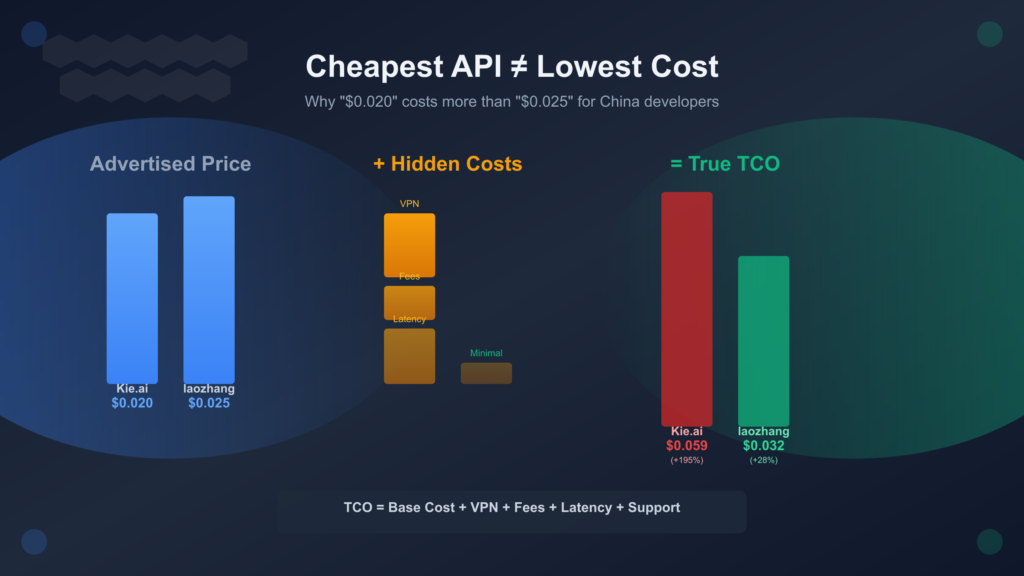
API pricing can become a major consideration when an AI feature moves from experimentation to production. Frequent image generation, large user bases, and automated workflows can increase usage quickly. For this reason, developers often compare different ways to access the same model.
Developers looking to save up to 56% on Nano Banana 2 API access can explore alternative API access through the promoted platform. The stated cost-saving advantage can make the option particularly interesting for teams that expect regular model usage and want to manage their AI infrastructure budget more efficiently.
Cost should still be evaluated against actual usage. A developer can estimate expected requests, image-generation volume, application traffic, and development requirements before selecting an API provider. Comparing the expected monthly workload with available pricing is a practical way to determine whether the potential savings are meaningful for a particular project.
Using the Interactive Playground for Testing
An interactive playground can be valuable during the development stage because it provides a practical environment for testing the model without immediately building a complete API integration.
Developers can use a playground to experiment with different prompts and understand how the model responds to various instructions. This can help teams identify effective prompting strategies and determine whether the model is appropriate for a specific application.
A useful testing process may include:
- Start with simple prompts to understand basic model behavior.
- Test different image requirements to evaluate consistency.
- Compare prompt variations and identify which instructions produce better results.
- Evaluate output quality against the application’s requirements.
- Move successful experiments into API testing.
- Measure response time and usage costs before production deployment.
This workflow can reduce unnecessary development work. Instead of building an integration first and discovering limitations later, developers can investigate the model’s capabilities during the evaluation stage.
Nano Banana 2 API Integration for Applications
Once testing produces satisfactory results, developers can move toward API integration. A typical application needs a secure method for authentication, a request-handling layer, input validation, error management, and appropriate handling of generated outputs.
API credentials should be stored securely rather than exposed in frontend code. For applications with public users, requests are generally better routed through a secure backend so sensitive credentials remain protected.
Developers should also consider rate limits, retries, timeout handling, logging, and usage monitoring. These details become increasingly important when an application starts handling larger numbers of requests.
For production systems, it is also useful to separate experimentation from live workloads. Development and testing environments can help teams identify problems before changes reach users.
Testing Before Production Deployment
Successful API integration requires more than confirming that one request works. Developers should test the complete workflow under realistic conditions.
Important areas include request validation, response handling, failure scenarios, performance, and cost behavior. Testing different prompt lengths and user inputs can also reveal unexpected cases that may not appear during basic experimentation.
Teams should monitor how the application behaves when the API is temporarily unavailable or when requests exceed permitted limits. A reliable application should provide sensible error handling instead of failing silently.
Cost testing is equally important. A model that works well for a prototype may become expensive when usage increases. Estimating production demand early can help developers design suitable limits and usage controls.
Is Nano Banana 2 API Suitable for Developers?
For developers building applications that require AI-generated images, an API can provide a more flexible approach than relying solely on a manual interface. Nano Banana 2 API access, combined with an interactive playground, can make it easier to evaluate the model, test prompts, and eventually integrate image generation into software products.
The potential 56% cost saving is another factor worth investigating, especially for developers and businesses expecting significant API usage. However, each project has different requirements, so pricing should be compared according to expected usage rather than based only on a headline percentage.
Final Thoughts
AI image generation is moving beyond standalone creative tools and becoming a practical component of modern applications. Developers need convenient API access, effective testing environments, reliable integration options, and manageable costs when adding these capabilities to their products.
Nano Banana 2 can be explored through an API-based workflow that supports experimentation and application development. By using an interactive playground to test ideas first and then moving successful workflows into a secure API integration, development teams can create a more structured implementation process while keeping an eye on performance and spending.
For developers interested in evaluating the model, the available Nano Banana 2 platform provides an accessible starting point for testing, experimentation, and API-based image generation.