
How Tire and Wheel Upgrades Actually Affect Vehicle Performance

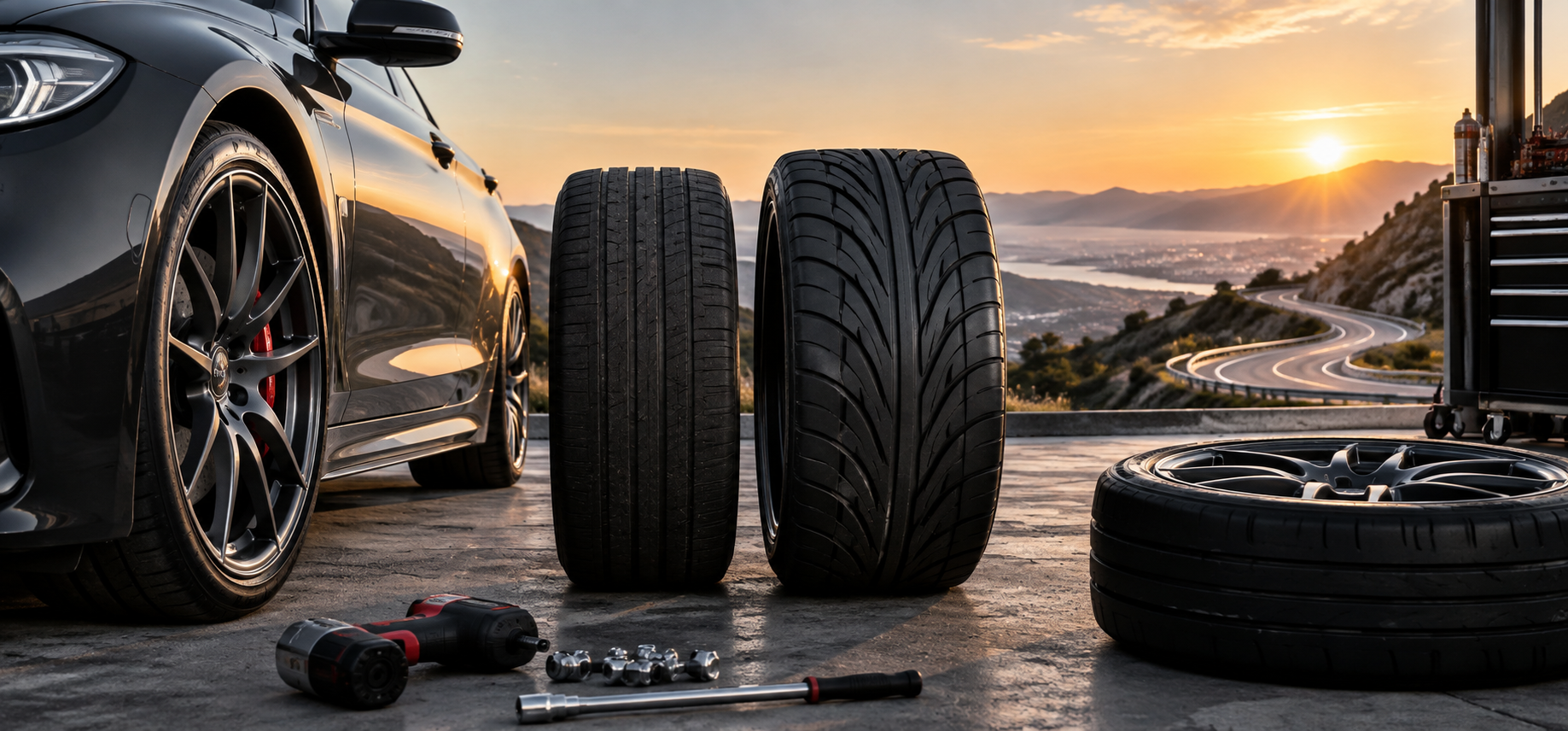
A practical, data-aware look at how tire and wheel choices affect handling, fuel efficiency, and load capacity for SUV and truck owners.
Most vehicle owners upgrade tires or wheels for looks or trail capability, but the choice has measurable effects on handling, braking distance, and fuel economy that go well beyond appearance. For SUV and truck owners comparing options, a retailer’s Jeep wheels lineup is a useful reference point for how backspacing, load rating, and finish are typically specified before buying, and understanding those tradeoffs before buying saves both money and headaches down the road.
Wheel Weight and Rotational Mass
Every pound added at the wheel behaves differently than a pound added to the vehicle’s body. Rotational mass at the tire and wheel assembly has to be accelerated and decelerated constantly, which means heavier wheels measurably increase the energy needed to speed up, slow down, and change direction. A larger, heavier wheel and tire package can look aggressive, but it also increases unsprung mass, which can degrade ride quality and slow steering response, especially on vehicles not originally engineered for the larger diameter.
Tire Width, Compound, and Fuel Economy
Wider tires generally provide more contact patch and better traction, particularly off-pavement, but that additional rolling resistance comes at a fuel economy cost. Compound matters just as much as width: an aggressive off-road compound designed for grip in mud or rock will typically wear faster and return lower highway fuel economy than a highway all-season tire of the same size. Buyers should weigh how much of their driving is actually off-pavement against the fuel and noise tradeoffs of a more aggressive tire.
Load Ratings Matter More Than Most Buyers Realize
A tire’s load rating, not just its size, determines whether it is appropriate for a given vehicle, especially one that regularly carries cargo, tows, or has been modified with heavier bumpers and armor. Running a tire under-rated for the vehicle’s actual loaded weight increases the risk of heat buildup and tire failure, particularly on long highway trips in hot weather. This is one of the more overlooked safety factors in aftermarket wheel and tire upgrades.
A Quick Comparison Framework
The table below summarizes the general tradeoffs buyers should weigh before choosing a tire and wheel package:
| Factor | Larger/Heavier Package | Smaller/Lighter Package |
|---|---|---|
| Off-road traction | Generally better | Generally worse |
| Fuel economy | Typically lower | Typically higher |
| Steering responsiveness | Can feel slower | Usually sharper |
| Ride comfort | Can be harsher (larger unsprung mass) | Usually smoother |
| Load capacity | Depends on load rating, not size alone | Depends on load rating, not size alone |
Practical Buying Checklist
Before committing to a tire and wheel upgrade, it helps to work through a short checklist rather than buying based on looks alone:
- Confirm the load rating matches or exceeds your vehicle’s fully loaded weight, including any added armor or accessories.
- Check backspacing and offset to avoid rubbing on suspension components or fender liners, especially with wider wheels.
- Match the tire compound to actual use rather than the most aggressive-looking option available.
- Re-torque lug nuts after the first 50 to 100 miles on any new wheel installation.
- Budget for an alignment any time ride height or offset changes meaningfully.
Common Upgrade Mistakes That Cost Owners Money
A handful of mistakes show up repeatedly when owners upgrade tires and wheels without fully thinking through the tradeoffs:
- Sizing up without re-checking the speedometer calibration. A larger overall tire diameter changes the effective gear ratio at the wheel, which throws off speedometer and odometer accuracy unless the vehicle’s software is recalibrated.
- Ignoring plus-sizing rules. Changing wheel diameter without keeping the overall tire diameter close to stock can meaningfully affect acceleration, braking response, and ABS/traction control calibration, since those systems assume a specific wheel speed relationship.
- Buying take-off wheels without checking bolt pattern and hub bore. A wheel that “fits” the bolt pattern but has the wrong hub bore can vibrate or wear the lug studs unevenly over time without proper hub-centric rings.
- Skipping a load-rated valve stem upgrade. Heavier wheel-and-tire packages, especially on trucks and larger SUVs, often need a higher-pressure-rated valve stem than the factory unit, particularly if switching to a stiffer sidewall tire.
- Assuming any tire shop can balance an oversized wheel correctly. Larger wheels sometimes need a shop with the right size clamps and balancer capacity; an improperly balanced heavy wheel will produce vibration that’s easy to misdiagnose as a suspension problem.
Why This Matters Beyond the Showroom Look
Tire and wheel choices are one of the few vehicle modifications that touch nearly every performance metric at once: braking, handling, ride quality, fuel economy, and long-term drivetrain wear. Unlike a cosmetic trim upgrade, a wheel and tire package interacts directly with the vehicle’s suspension geometry, electronic driver-assist systems, and structural load paths. Treating the decision as a performance and safety choice first, and a styling choice second, tends to produce a much better long-term outcome, particularly for owners who tow, carry cargo regularly, or drive in a wide range of weather conditions throughout the year.
Frequently Asked Questions
Does a bigger wheel always mean worse fuel economy? Not always, but larger and heavier wheel-and-tire packages usually do reduce fuel economy somewhat, both from added rotational mass and from increased rolling resistance in more aggressive tire compounds.
How much does tire choice affect braking distance? Significantly. Tire compound and tread design affect wet and dry braking distance more than almost any other single vehicle modification, which is why matching tires to actual driving conditions matters more than matching them to a vehicle’s looks.
Is it worth paying more for a reputable tire brand? For most buyers, yes. Independent testing consistently shows meaningful differences in wet braking and hydroplaning resistance between budget and premium tire lines, even within the same size and load rating.





Comment