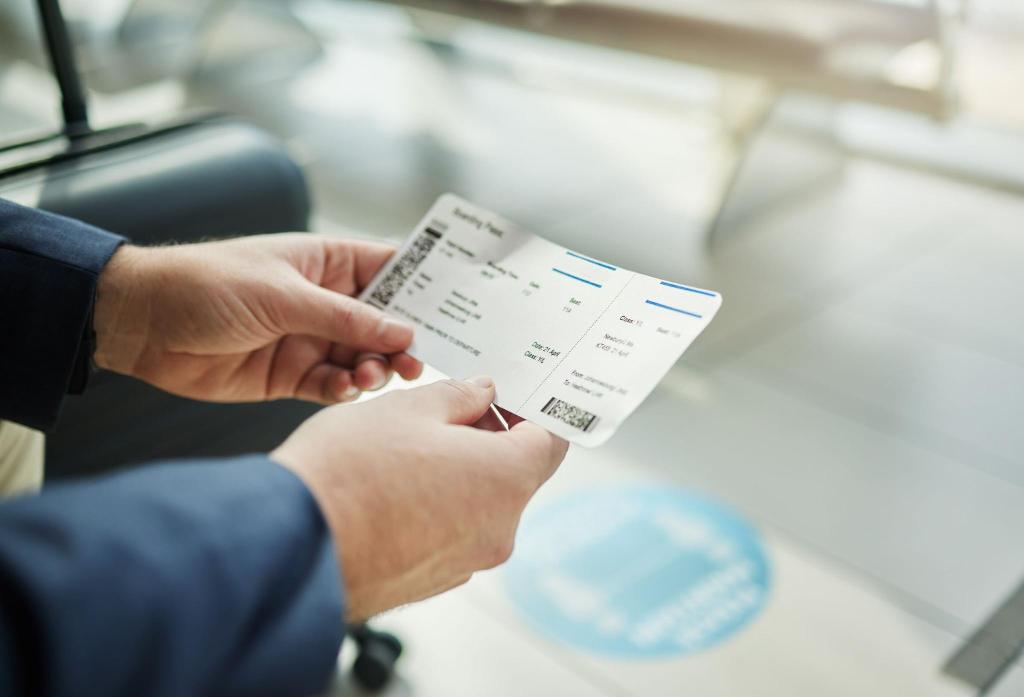
You get to the stadium, tap your phone on the scanner, and hear a loud beep. The screen turns red. The guard looks up and says, “Sorry, this ticket was already scanned ten minutes ago.”
Your stomach drops. You paid $300 on a resale app, and now you are stuck outside on the sidewalk while everyone else walks in.
If you bought that ticket from a random profile on social media using a cash app, your money is gone for good. But when you use a verified ticket website, you have a safety net. This is the exact moment where ticket buyer protection policies step in.
Most fans see the “100% Buyer Guarantee” badge at checkout and think it is just marketing fluff. But it is an actual system with strict rules. Here is how that protection really works behind the scenes, what steps you must take if a ticket fails, and how these platforms track down bad sellers.
The Secret Engine: How the Escrow System Works
When you buy a seat on an app like StubHub or SeatGeek, you are not buying directly from the company. You are buying from another fan or an independent ticket reseller. The app is just the marketplace that brings you together.
So, why can’t a bad seller just take your money and disappear with a fake ticket?
It all comes down to an escrow account. Think of escrow like a locked box. When you enter your card details and click buy, your money does not go into the seller’s pocket. The ticket platform keeps the cash locked up in their own bank account.
The seller does not get paid until several days after the concert or game is completely over.
This holding period removes the reason for scammers to cheat. If a seller gives you a bad barcode, they do not get paid today. They have to wait until game day. When you get stopped at the door and report the problem, the app cancels the payout and sends your cash back to you.
What Actually Happens When a Ticket Fails at the Gate?
If a scanner flashes red at the gate, do not panic, and definitely do not just walk back to your car and go home. If you leave without saying anything, getting your money back becomes much harder. The platform needs proof that something went wrong.
Here is the exact playbook to follow on the spot:
- Step Out of Line and Call Support Immediately Do not wait until the next morning. Major ticket apps run emergency phone lines and live chats made specifically for fans standing outside the venue. Their support agents can often find replacement seats from other sellers and send fresh barcodes straight to your phone in minutes so you don’t miss the start of the event.
- Go to the Box Office for Proof If customer support cannot fix the problem in time, walk straight to the stadium’s official customer service or box office window. Ask the staff to scan the barcode and print out a quick slip or “scan report” showing that the pass was invalid or previously used.
- Keep Your Receipts Take a clear screenshot of the error message on your phone screen. Keep any paperwork the box office gives you. When you file your claim, this proof makes it easy for the company to give you your money back without long delays.
The Fine Print: Replacement Tickets vs. Cash Refunds
Most buyer guarantees promise either replacement tickets or a full refund. But keep in mind: you rarely get to pick which one you want.
The platform will almost always try to find you replacement tickets first. They want to keep the sale alive. If they can swap your seat for an equal or better spot in the venue, they cover the cost by billing the original seller and keep you as a happy customer.
You only get a cash refund if the show is completely sold out and there are zero replacement seats available in their entire system.
The “Credit” Trick
Pay attention to how the company offers to pay you back. When a show gets called off, many apps will automatically give you “account credit” instead of returning cash to your bank card. They might even sweeten the deal by offering 110% or 120% in store credit to get you to accept it.
If you want actual money returned to your bank account, you usually have to open their email and click an option that says “Request cash refund.” In many states, the law requires them to give you real money back if an event is canceled and you ask for it.
The Gray Area: Canceled vs. Postponed Events
This is where many buyers get confused. Resale platforms handle canceled shows and rescheduled shows in completely different ways.
When a show is CANCELED: The tour is over, the artist is not coming back, and the event will not happen. Here, buyer protection is simple. The app cancels the order and sends your refund automatically without you having to ask.
When a show is POSTPONED: The lead singer catches a cold, and Friday’s show gets moved to a Tuesday night four months from now.
In this case, you do not get a refund.
Almost every ticket policy says that if an event gets a new date, your ticket remains valid for that new date. Even if you cannot make the new night or have to work, the app treats the sale as finished. Your only real option is to list the tickets back on the app and sell them to another fan.
How the Platforms Punish Fake Sellers
Why don’t scammers flood these apps with fake tickets? Because the penalties are painful.
To sell a ticket, a reseller must link a valid credit card and a verified bank account. If they upload a fake barcode or sell the same seat twice, they do not just lose their payout—they get hit with heavy fines.
Here is what happens behind the scenes:
- A seller gives you a bad ticket for $150.
- Your ticket fails at the gate, and you call support.
- The platform finds you a last-minute replacement seat, but because the event is starting, that new seat costs $300.
- The platform hands you the new seat for free.
- The platform then charges the bad seller’s credit card for the full $300 to cover the difference.
On top of paying for your replacement seat, the seller gets their account banned permanently. Because these fines are so high, professional sellers check their ticket listings carefully. Making a sloppy mistake costs them real money.
Conclusion: Shop Smart and Stay Safe
Going to a game or concert should be fun, not stressful.
Years ago, buying resale tickets meant handing cash to a stranger outside the gates and hoping the paper pass was real. Today, modern apps have made the process much safer by holding payments in escrow until you are safely inside the venue.
If you ever run into a problem at the door, remember the basics: stay at the venue, contact support right away, and grab written proof from the box office. When you know how buyer guarantees work, you can protect your wallet and enjoy the show with total peace of mind.