
How the Right Vehicle Adaptations Transform Lives Every Day

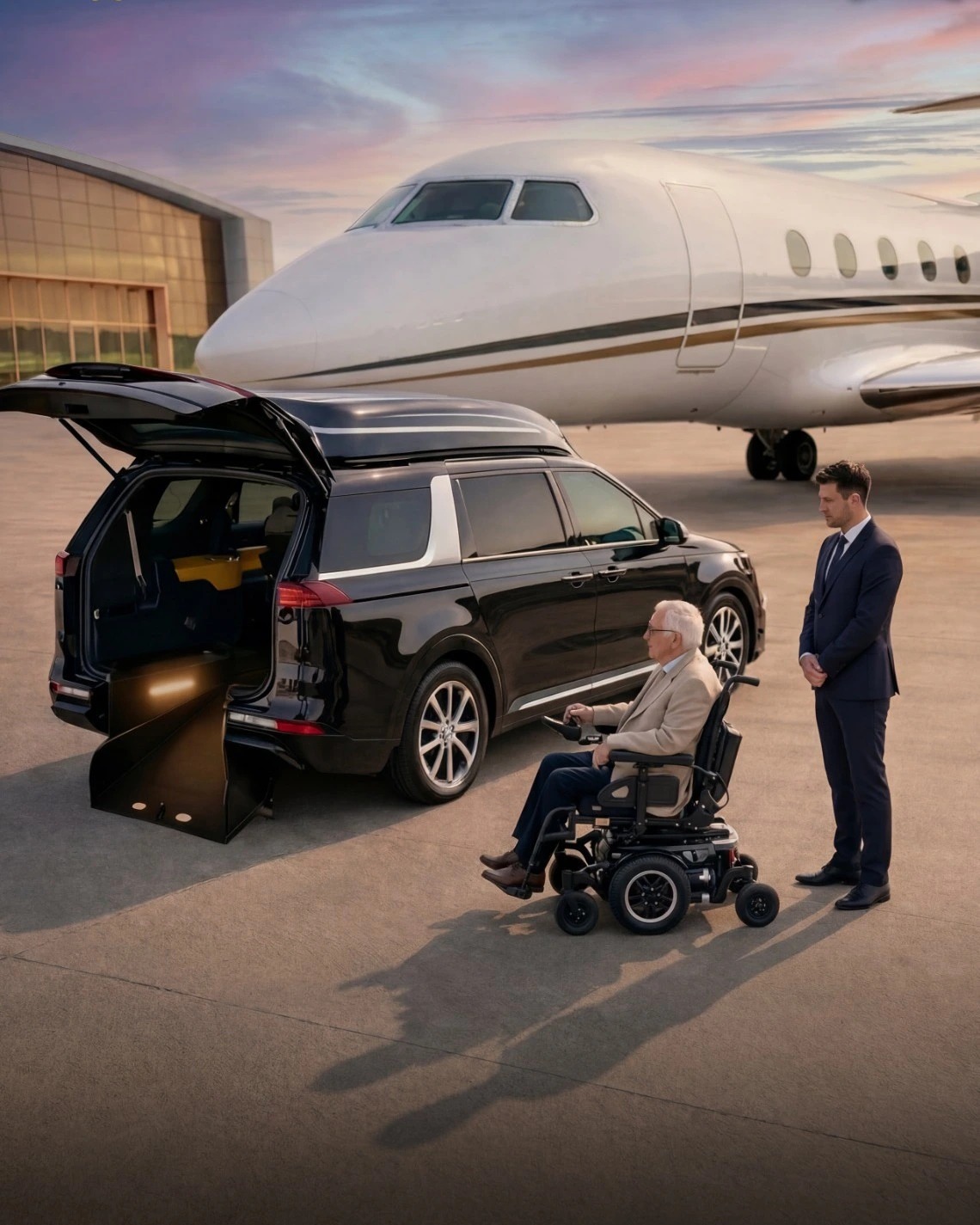
For most people getting into a car and driving somewhere is so routine it barely registers as a decision. You grab your keys, open the door and go. But for someone living with a physical disability that same simple act can feel like an obstacle course without the right support and equipment in place.
The difference between feeling stuck at home and having the freedom to go where you want, when you want often comes down to one thing. Wheelchair Vehicle Modifications that are designed thoughtfully, built properly and matched correctly to the individual needs of the person using them every single day.
Why Vehicle Adaptations Matter More Than Most People Realize
Mobility is not just about getting from one place to another. It is about independence, dignity and the ability to participate fully in everyday life. When someone loses access to reliable transportation the impact goes far beyond inconvenience.
It affects employment, social connections, medical appointments and mental health. People who cannot travel independently often become isolated in ways that quietly but significantly reduce their quality of life over time. Vehicle adaptations address this problem directly and practically.
There are more options available today than at any point in history. Technology has advanced significantly and the range of adaptations now available means that almost any mobility challenge can be accommodated with the right solution and the right professional guidance.
The Growing Need for Mobility Solutions
The demand for adapted vehicles has grown steadily over the past decade. An aging global population combined with improved medical care means more people are living longer with physical disabilities that affect their ability to use standard vehicles without modification.
Families, caregivers and individuals are increasingly recognizing that investing in proper vehicle adaptations is not a luxury. It is a practical and often essential step toward maintaining an independent and fulfilling life regardless of physical limitations.
Who Benefits From Vehicle Adaptations
Vehicle adaptations serve a wide and diverse range of people. Veterans returning from service with physical injuries, elderly individuals who can no longer safely operate a standard vehicle and people born with or who have developed physical disabilities all benefit significantly from properly adapted vehicles.
Families with disabled members also benefit enormously. A properly adapted family vehicle means everyone can travel together comfortably and safely without the stress and difficulty of trying to manage transfers, equipment and accessibility in a vehicle that was never designed with those needs in mind.
Types of Vehicle Adaptations Available Today
The range of adaptations available today is genuinely impressive. From simple hand controls that replace foot pedals to full structural conversions that lower the floor of a van to allow level entry, the solutions cover an enormous spectrum of needs and budgets.
Ramp systems are among the most commonly requested adaptations. Both manual and powered ramp options exist for side entry and rear entry vehicles. Powered ramps in particular have become increasingly popular because they require minimal physical effort to operate making them practical for both the wheelchair user and any caregiver assisting them.
Driving Controls and Steering Adaptations
For individuals who have upper body strength but limited or no use of their lower limbs, hand controls offer a practical and effective solution. These systems transfer the braking and acceleration functions from foot pedals to hand operated levers or push pull mechanisms mounted near the steering wheel.
Steering adaptations including reduced effort power steering, steering wheel knobs and tri pin grips make it possible for people with limited hand strength or grip to control a vehicle safely and confidently. These adaptations are often combined with other modifications to create a fully customized driving solution.
Seating and Transfer Adaptations
Not every adaptation involves major structural changes to a vehicle. Swivel seats, transfer boards and lowered seating positions make getting in and out of a vehicle significantly easier for people with limited mobility who do not use a wheelchair but still find standard vehicle access difficult and uncomfortable.
These smaller adaptations are often overlooked but they make a meaningful difference to the daily experience of getting in and out of a vehicle for people who struggle with standard door heights and seat positions.
Choosing the Right Adapted Vehicle for Your Needs
This is where many families and individuals spend the most time and it is worth approaching carefully. The right adapted vehicle is not simply the most expensive one or the one with the most features. It is the one that best matches the specific needs, lifestyle and budget of the person who will be using it every day.
A Wheelchair accessible vehicle that works perfectly for one person may not be the right solution for another even if their mobility challenges appear similar on the surface. Seating preferences, the type of wheelchair being used, whether the person will be driving or traveling as a passenger and the kinds of journeys they make most regularly all influence which adaptation solution will deliver the best real world results.
Conclusion
Vehicle adaptations are not just mechanical modifications. They are life changing investments that restore independence, rebuild confidence and reconnect people with the world around them.
The right adaptation matched carefully to the right individual makes an extraordinary difference to daily life in ways that go far beyond simply getting from one place to another. It gives people back the freedom to live on their own terms and that is something no amount of money can truly put a value on.




Comment