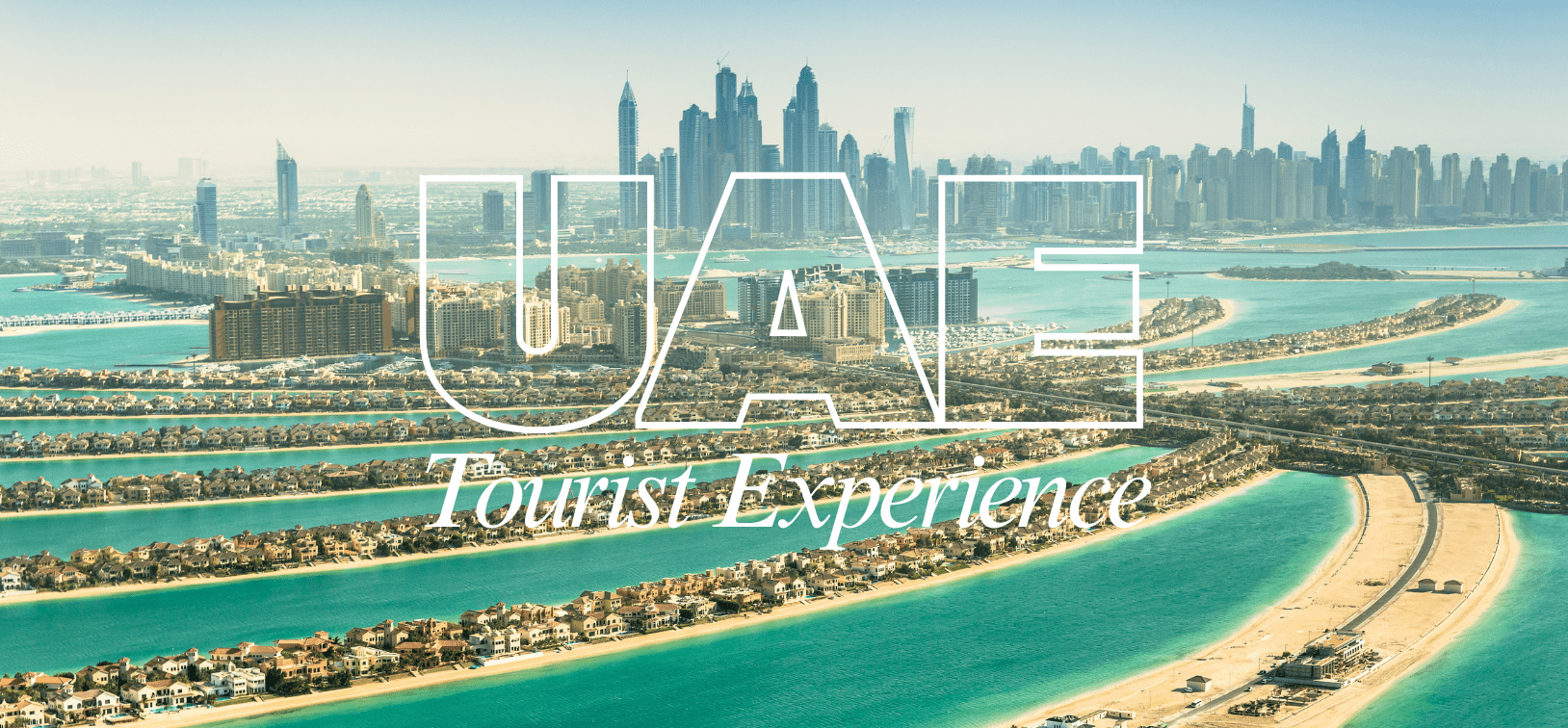
The United Arab Emirates has quickly become one of the world’s most innovative travel destinations — not only because of its architecture, hospitality, and global events, but because the country has embraced technology at a scale few others can match. For millions of visitors each year, a trip to the UAE is no longer just about sightseeing. It’s about experiencing a fully digitized, hyper-connected travel ecosystem that makes moving, booking, exploring, and navigating easier than ever before.
Today, technology is reshaping the tourist journey end-to-end: from planning a trip weeks before arrival to navigating Dubai’s roads, checking into hotels, discovering attractions, and even renting a car online. The UAE has positioned itself as a model for what future tourism could look like worldwide.
Smart Tourism Starts Before Arrival
Most travel experiences begin long before a visitor gets on a flight — and the UAE has deliberately built digital infrastructure that reduces friction at every stage.
Online visa platforms, biometric border control, and AI-powered verification systems have drastically shortened entry processes. Travelers can now obtain visas without paperwork, pass through immigration in minutes, and access real-time travel information directly from government platforms.
This efficiency sets the tone for the rest of their stay: fast, seamless, and supported by smart technology.
Contactless Services Become the New Standard
The UAE was one of the earliest adopters of large-scale contactless services, and this shift continues to shape how tourists interact with the country today.
Hotels now integrate mobile check-ins, digital room keys, and AI-driven concierge systems. Attractions and theme parks use digital ticketing systems and facial recognition for smoother entry. Restaurants increasingly offer QR-based menus, automated payment systems, and smart delivery options — all with minimal friction.
This contactless approach enhances convenience, reduces queues, and improves accessibility for international tourists who prefer digital-first services.
Smart Mobility as the Core of the Tourist Journey
Perhaps the biggest transformation lies in mobility. Dubai and Abu Dhabi have invested heavily in intelligent transport systems that turn the simple act of moving around into a frictionless experience.
From autonomous metro systems to AI-guided traffic management, visitors can navigate the country with ease. Smart signs, GPS-integrated public transport, and real-time route data make it nearly impossible to get lost.
At the same time, digital mobility services have become essential for travelers seeking a more flexible way to explore the emirates. Tourists increasingly rely on online transportation platforms — including modern car rental marketplaces — to secure vehicles without visiting physical branches or completing lengthy paperwork.
For example, digital platforms such as rent a car Dubai allow tourists to reserve vehicles online in minutes, compare options instantly, and enjoy transparent pricing without the usual uncertainty associated with traditional car rental agencies. This shift toward on-demand mobility marketplaces shows how technology is redefining what visitors expect from transportation providers.
AI and Personalization Enhance the Travel Experience
Tourism in the UAE is no longer “one size fits all.” AI-driven personalization tools are now integrated into:
- hotel booking platforms
- attraction recommendation engines
- city navigation apps
- curated travel itineraries
Travelers receive suggestions based on their interests, budget, and behavior patterns — a level of customization that improves satisfaction and eliminates planning effort.
Some hotels already use predictive AI to anticipate guest needs; attractions offer dynamic pricing models; and city guides can automatically build itineraries based on location and trip duration.
This personalization creates a more intuitive and enjoyable experience, especially for first-time visitors.
Immersive Technology Is Changing How Visitors Explore
Augmented reality (AR), virtual tours, and interactive digital guides are redefining how tourists engage with cultural and historical attractions.
For example:
- AR overlays provide historical information at heritage sites
- VR tours allow visitors to preview experiences before committing
- Smart museum apps offer interactive, multilingual storytelling
These tools enhance learning, broaden accessibility, and bring technology into spaces that used to rely solely on physical displays.
The UAE as a Model for the Future of Tourism
The UAE’s digital-first approach is not simply an upgrade to traditional tourism infrastructure — it is a complete rethinking of how the visitor experience should work in a world where convenience and personal control matter more than ever.
By combining AI, automation, mobility innovation, and seamless connectivity, the UAE offers a glimpse into what global tourism could become:
- frictionless
- personalized
- user-driven
- powered by intelligent systems
It’s no surprise that the country continues to attract millions of tech-savvy visitors who expect modern solutions throughout their journey.