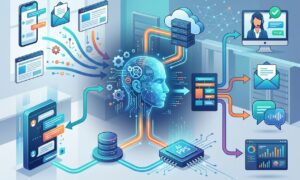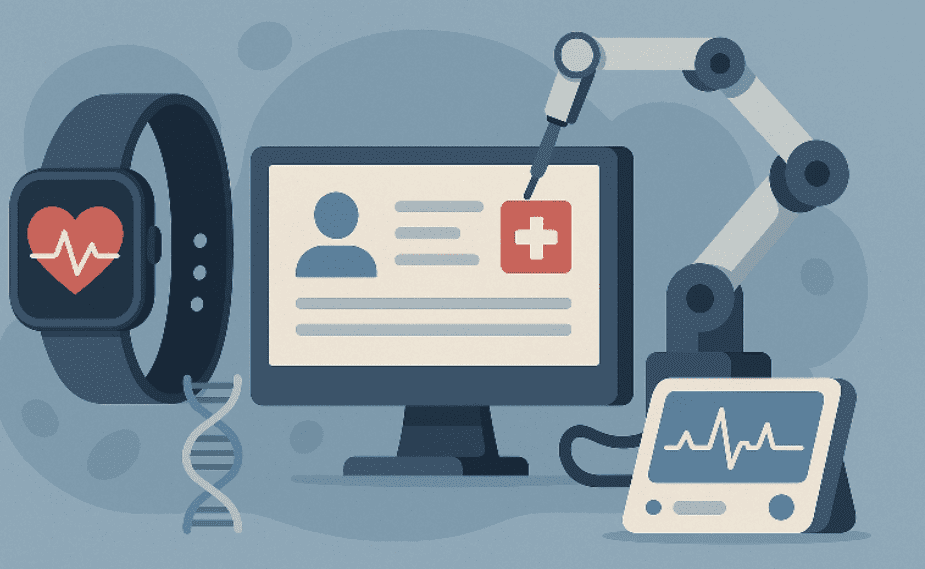
Technology has revolutionized healthcare devices by making them more efficient, accessible, and personalized for patients worldwide. Modern medical equipment now incorporates digital features, AI capabilities, and remote monitoring functions that were unimaginable just decades ago, transforming how healthcare professionals diagnose, treat, and monitor conditions.
This article breaks down the essential information you need to know about technological advancements in medical devices and their impact on healthcare delivery.
Core Technologies Shaping Modern Medical Devices
Electronic Health Records
Electronic Health Records (EHRs) have transformed healthcare by replacing traditional paper charts with digital solutions. From a medical device engineering perspective, EHR systems are no longer viewed as standalone software but as integrated components within broader medical device ecosystems.
Specialized medical device engineering firms like CLEIO play a key role in designing and validating these systems to meet clinical needs, interoperability standards, and regulatory requirements.
The benefits of EHRs extend beyond simple digitization. Medical teams gain immediate access to your complete health information, which leads to more informed decisions and coordinated care. Quick retrieval of your data helps doctors avoid duplicate tests and potentially harmful medication interactions.
Data security remains a primary concern with digital health records. Healthcare organizations implement robust protection measures to safeguard your sensitive information from unauthorized access. Regular system updates and staff training help maintain these security standards.
Interoperability challenges persist across different EHR systems. Many healthcare networks use varying platforms that don’t always communicate effectively with each other. This fragmentation can create gaps in your care when visiting different specialists or facilities. Industry efforts continue to address these compatibility issues through standardized protocols and improved data exchange frameworks.
Patient engagement increases through EHR patient portals. You can view your test results, request prescription refills, and communicate with your healthcare team directly. This accessibility empowers you to participate actively in managing your health.
Telehealth And Remote Care
Telehealth services have dramatically expanded healthcare accessibility, particularly for people in rural or underserved areas. Virtual consultations connect you with medical professionals regardless of geographic barriers, saving travel time and related expenses.
The COVID-19 pandemic accelerated telehealth adoption out of necessity. What was once considered an alternative option quickly became an essential service. Many patients discovered the convenience of remote appointments for routine check-ups, follow-up visits, and mental health services.
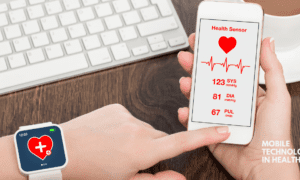
Remote monitoring technologies complement virtual visits by allowing continuous tracking of your health metrics at home. Devices that measure blood pressure, glucose levels, heart rhythm, and other vital signs transmit data directly to your healthcare providers. This ongoing monitoring helps detect concerning changes before they develop into serious conditions.
Insurance coverage for telehealth services has expanded significantly. Most major insurance providers now reimburse virtual consultations similar to in-person visits, making this option financially viable for more patients.
The patient-doctor relationship adapts rather than diminishes through telehealth. Video consultations preserve the visual connection important for building trust and effective communication. Healthcare providers have developed new skills to conduct thorough assessments through digital platforms.
Wearable Diagnostic Devices
Wearable technology has evolved from simple step counters to sophisticated health monitoring systems. Modern devices track multiple biometric measurements including heart rate, sleep patterns, blood oxygen levels, and even electrocardiogram readings. This continuous data collection provides insights into your health trends over time.
Early detection capabilities make wearables particularly valuable for managing chronic conditions. For example, smartwatches with irregular heartbeat notifications have helped users identify previously undiagnosed atrial fibrillation. Continuous glucose monitors give people with diabetes real-time awareness of their blood sugar levels without frequent finger pricks.
The integration of artificial intelligence enhances the usefulness of wearable data. AI algorithms analyze patterns to identify potential health concerns and provide personalized recommendations. Your device might suggest rest after detecting signs of overexertion or recommend medical attention for unusual vital sign readings.
Consumer adoption continues to grow as these devices become more comfortable, accurate, and affordable. The user-friendly interfaces make health monitoring accessible to people of all ages and technical abilities. Many wearables now feature extended battery life and water resistance for practical everyday use.
Healthcare providers increasingly incorporate patient-generated wearable data into treatment plans. This information supplements clinical measurements and offers a more complete picture of your health between office visits.
Robotics And Automation
Surgical robots represent a significant advancement in medical technology. These systems enhance surgeon capabilities through magnified 3D visualization and precise instrument control. Robotic assistance enables minimally invasive procedures with smaller incisions, resulting in less pain and faster recovery for patients.
Automated medication dispensing systems reduce human error in hospitals and pharmacies. These machines accurately sort and distribute medications according to prescribed dosages and schedules. The technology includes barcode verification to ensure you receive the correct medication at the right time.
Nursing support robots help prevent staff injuries and burnout. These machines handle physically demanding tasks like lifting and transferring patients. By reducing the physical strain on healthcare workers, robots contribute to a safer work environment and allow nurses to focus more on direct patient care.
Laboratory automation speeds up diagnostic testing while maintaining accuracy. Robotic systems process blood samples, run analyses, and deliver results more efficiently than manual methods. This automation helps you receive diagnostic information more quickly, potentially leading to faster treatment decisions.
The economic impact of healthcare robotics shows long-term benefits despite high initial investment costs. Improved efficiency, reduced complications, and shorter hospital stays generate significant savings over time. These financial advantages make robotic systems increasingly attractive to healthcare facilities focused on both quality care and operational efficiency.
Data-Driven Healthcare Solutions
Artificial Intelligence and Machine Learning
Healthcare has witnessed significant transformation through artificial intelligence and machine learning technologies. These advanced systems analyze vast amounts of medical data to identify patterns that might escape human observation.
Medical professionals now use AI-powered tools to examine radiological images with greater precision. For example, algorithms can detect early signs of cancer in mammograms or identify subtle abnormalities in brain scans that require attention.
Your healthcare provider might soon leverage predictive analytics to anticipate disease progression based on your unique health profile. This approach allows for treatment plans tailored specifically to your needs rather than following generic protocols.
Several hospitals have implemented AI systems that monitor patient vital signs continuously, alerting staff to potential complications before they become critical. This proactive monitoring has reduced emergency interventions and improved recovery outcomes.
The benefits extend beyond diagnosis into treatment optimization. Machine learning models analyze which therapies work best for patients with similar characteristics, helping doctors make more informed decisions about your care options.
Blockchain For Secure Data Sharing
Healthcare information requires robust protection while remaining accessible to authorized parties. Blockchain technology offers a promising solution to this challenge by creating immutable records that resist tampering.
Your medical history can be securely stored on blockchain networks, giving you control over who accesses your information. Each access request creates a permanent record, increasing transparency and accountability throughout the healthcare system.
Medical facilities face challenges sharing patient data across different platforms. Blockchain addresses this problem by establishing a common framework for information exchange without compromising security protocols.
Research collaborations benefit from blockchain implementation as well. Scientists can access anonymized patient data for studies while maintaining compliance with privacy regulations. This capability accelerates medical discoveries without exposing personal information.
The technology also enhances medication tracking from manufacturer to patient, reducing counterfeit drugs and ensuring you receive genuine treatments. Every transaction along the supply chain gets recorded permanently, creating an audit trail that promotes safety.
IoT And Connected Medical Devices
Smart medical devices have revolutionized how healthcare providers monitor your health conditions. These connected tools collect data continuously and transmit information to clinical systems for analysis.
Wearable health monitors track vital parameters like heart rate, blood pressure, and glucose levels throughout your day. The data flows automatically to your electronic health record, giving doctors a comprehensive view of your condition between appointments.
Hospitals utilize IoT networks to manage equipment location and maintenance schedules. This system ensures critical devices remain available when needed and receive proper servicing to maintain accuracy and reliability.
Remote patient monitoring through connected devices allows you to recover at home while maintaining professional oversight. Your healthcare team receives alerts if measurements fall outside acceptable ranges, enabling quick intervention without unnecessary hospital visits.
The integration of these devices with central healthcare platforms creates a coordinated approach to your treatment. Multiple specialists can review the same data simultaneously, leading to more cohesive care strategies.
Patient Data Privacy and Compliance
Digital healthcare innovations must balance accessibility with strict privacy protections. Your medical information represents some of your most sensitive personal data, requiring careful safeguarding against unauthorized access.
Healthcare organizations implement multiple security layers to protect electronic records. These measures include encryption, access controls, and regular security audits to identify potential vulnerabilities before breaches occur.
Regulations like HIPAA establish minimum standards for handling protected health information. These rules guide how your data gets collected, stored, and shared across healthcare networks while preserving confidentiality.
Advanced techniques such as federated learning allow AI systems to improve without exposing raw patient data. The algorithm travels to where information resides rather than centralizing sensitive details, maintaining privacy while advancing medical knowledge.
Your participation matters in data protection efforts. Understanding your rights regarding medical information access and knowing which questions to ask about data security practices helps strengthen overall privacy protections in healthcare settings.
Enhancing Patient Care
Personalized Treatments and Digital Twins
Healthcare has entered a new era where your treatment can be as unique as your fingerprint. Personalized medicine now allows doctors to create treatment plans specifically designed for your genetic makeup, lifestyle, and medical history.
Digital twins represent one of the most exciting advances in this field. These virtual models simulate your body’s response to different treatments before you receive them. Your digital twin functions as a computational replica that helps medical professionals test various scenarios without risk to you.
Medical teams can predict how you might react to certain medications or procedures by running simulations on your digital twin. This approach reduces trial-and-error treatments and minimizes potential side effects you might experience.
Research shows that patients receiving personalized care through digital twin technology often recover faster and experience better long-term health outcomes. Your treatment becomes more effective because it addresses your specific needs rather than following a standard protocol.
Improved Patient Safety
Your safety remains a top priority in modern healthcare facilities. New technologies have dramatically reduced medical errors through various innovative systems.
Electronic prescribing eliminates handwriting misinterpretations that previously led to medication errors. Your prescriptions now travel directly from your doctor to the pharmacy with built-in checks for drug interactions and allergies.
Barcoding systems ensure you receive the right medication at the right time. Each dose gets scanned before administration, confirming it matches your prescription and treatment plan.
Advanced monitoring devices track your vital signs continuously and alert healthcare providers to concerning changes. These systems detect potential problems earlier than traditional monitoring methods, allowing for quick intervention.
Smart infusion pumps prevent dosing errors by automatically calculating appropriate medication rates based on your weight and condition. The technology includes safety limits that prevent accidental overdoses.
Federated Learning for Collaborative Research
Medical research benefits tremendously from large datasets, but your privacy must be protected. Federated learning solves this challenge by allowing AI models to learn from data across multiple institutions without sharing the actual information.
This approach keeps your sensitive health data secure within your healthcare provider’s systems. Instead of centralizing patient records, the AI algorithm travels to each participating institution, learns locally, and then combines insights without exposing individual records.
Healthcare organizations can collaborate on research projects while maintaining strict compliance with privacy regulations. Your information contributes to medical advances without ever leaving the secure environment of your healthcare provider.
The benefits extend beyond privacy protection. Federated learning creates more robust AI models by incorporating diverse patient populations from different geographic regions and healthcare settings. This diversity makes the resulting insights more applicable to your specific situation.
Streamlined Medication Management
Managing your medications becomes simpler and safer with Electronic Medication Management Systems (EMMS). These comprehensive platforms track every aspect of your medication journey from prescription to administration.
Automated dispensing cabinets in hospitals ensure accurate medication selection and reduce the time nurses spend retrieving medications for you. These systems require biometric authentication, preventing unauthorized access to controlled substances.
Your medication adherence improves through smart pill dispensers that remind you when to take medications and record each dose. Some advanced systems can even notify your healthcare provider if you miss multiple doses.
Medication reconciliation tools compare your current prescriptions against new ones, identifying potential conflicts before they reach you. This process prevents harmful drug interactions that might occur during transitions between care settings.
Real-time inventory management ensures that your medications remain available when needed. The system automatically tracks stock levels and orders replacements before shortages occur.
Boosted Clinical Efficiency and Outcomes
Your healthcare experience benefits from streamlined clinical workflows powered by modern technology. Automated systems reduce administrative burdens so providers can focus more attention on your care.
Decision support tools analyze your medical history and current symptoms to help clinicians make accurate diagnoses faster. These systems flag potential issues that might otherwise be overlooked during busy clinical sessions.
Communication platforms connect everyone involved in your care, ensuring all team members have access to current information. Messages about your condition reach the right providers immediately, preventing delays in treatment adjustments.
Voice recognition technology allows your doctor to document your visit while maintaining eye contact and engagement with you. This approach creates more detailed records while preserving the human connection essential to quality care.
Predictive analytics identify patients at high risk for complications, enabling proactive interventions before problems develop. Your care team can address potential issues early, leading to better outcomes and reduced hospitalization rates.