
How Technology Has Made Luxury Watch Research More Transparent For Buyers

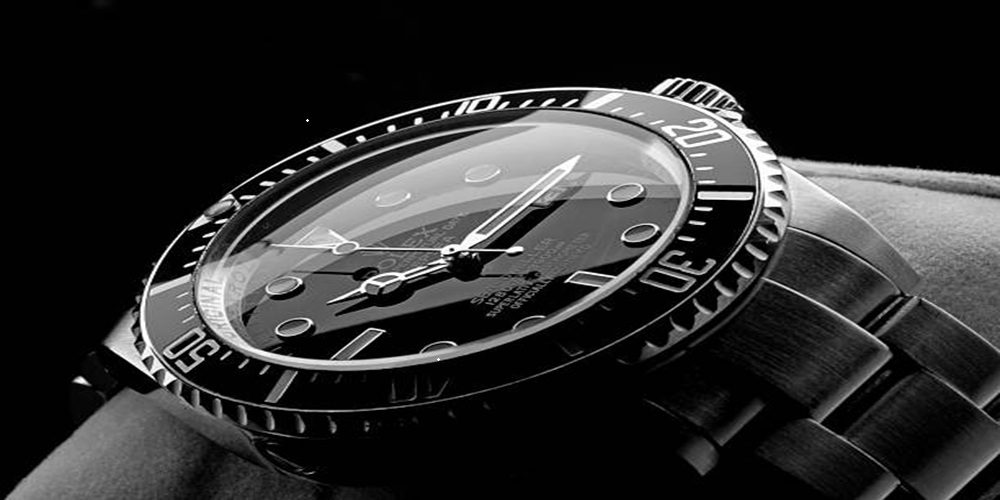
Have you ever asked yourself why one luxury watch looks similar to another, yet the price, history, and long-term value can be very different?
Today, technology has made that question much easier to answer, and that shift has changed how buyers research before making a serious purchase.
In the past, watch research often depended on a salesperson’s explanation, a printed catalog, or a quick opinion from a friend. Now, buyers can compare specifications, production details, service history, resale patterns, and market behavior with far more clarity. As a result, research feels less confusing and much more informed.
Technology has not removed the emotional side of buying a luxury watch. However, it has added structure, confidence, and evidence to the process. For buyers who want to avoid costly mistakes, that is a major advantage.
Digital Research Tools
Modern research tools have made watch buying more open and more practical. Buyers can now review case sizes, movement types, materials, dial variations, and year-by-year changes through searchable online resources. Because of that, it is easier to spot differences that may affect value and authenticity.
At the same time, buyers can compare listings across multiple platforms to see how pricing changes based on condition, age, accessories, and service records. This makes inflated pricing easier to notice. It also helps buyers build stronger expectations before they start serious conversations.
For example, a well-organized Rolex watch guide can help a buyer understand model details, common terminology, and important distinctions that may not be obvious at first glance.
Clearer Product History
Another major improvement is access to background information. Buyers can now review serial ranges, reference changes, production periods, and known design updates with far less guesswork. That matters because even small details can affect collectibility, desirability, and future resale strength.
In addition, high-resolution images and video reviews help buyers inspect dial printing, case shape, bracelet wear, and finishing quality before seeing a watch in person. While images are not a replacement for a physical inspection, they do help buyers ask sharper questions and avoid rushed decisions.
Pricing Transparency
Technology has also made pricing more transparent, which is one of the biggest wins for buyers. Instead of relying on a single asking price, people can now compare market data from many sources. As a result, they can see the difference between an ambitious listing and a realistic market level.
This matters because luxury watches are not priced by looks alone. Condition, originality, documentation, and service timing can all influence the final number. When a buyer understands those factors, the buying process becomes calmer and more rational.
After reviewing current listings, archived sales, and model comparisons, buyers can also better understand how different luxury watch brands are positioned in the market. That broader view is useful because it keeps buyers from focusing only on hype.
Smarter Comparison Methods
A smart buyer now uses a simple three-step method:
- Compare technical details and model variations
- Review price ranges across multiple listings
- Check condition, originality, and ownership history
This process sounds basic, yet it is highly effective. More importantly, technology supports each step with faster access to information.
Buyer Confidence And Risk Control
Transparency is not only about information. It is also about control. Technology helps buyers slow down, verify details, and cross-check claims before money changes hands. That alone reduces pressure and improves decision-making.
Online forums, expert reviews, market trackers, and digital archives give buyers a stronger foundation. Therefore, they can identify red flags earlier, such as missing paperwork, inconsistent parts, vague descriptions, or pricing that does not match the condition.
At the same time, buyers can save research, revisit notes, and compare options over several days instead of acting on impulse. That creates a more disciplined process, and disciplined buyers usually make better long-term decisions.
Final Thoughts
Technology has made luxury watch research more transparent by turning scattered information into usable insight. Buyers can now study history, compare pricing, review condition, and verify details with much more confidence than before.






Comment