Not so long ago, travel and work were two separate things. You worked from an office most of the year, saved your vacation days, and then disappeared somewhere for a week or two. For most people, the idea of working from another country sounded unrealistic.
That has changed quickly.
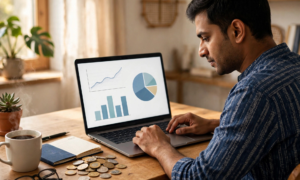
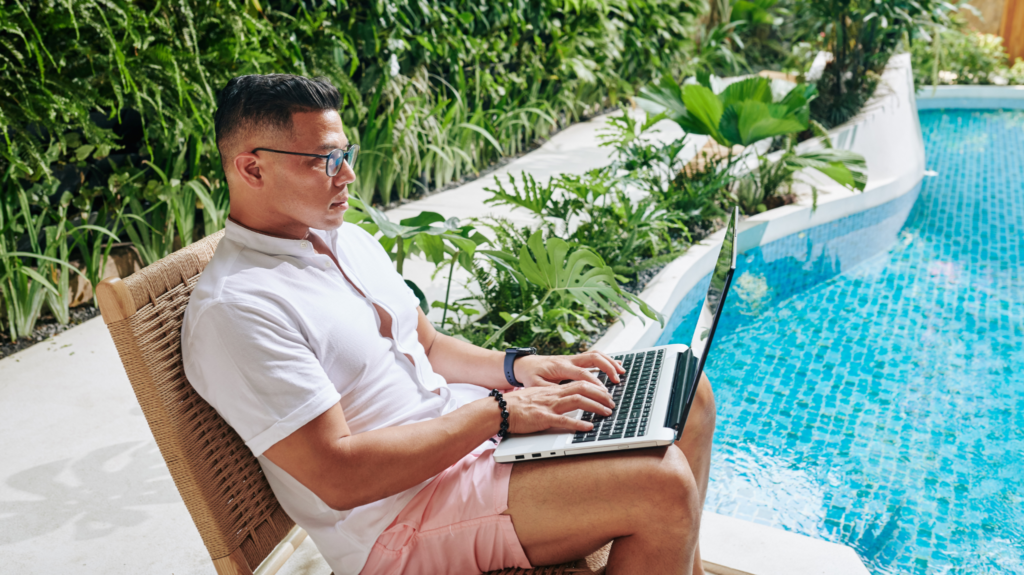
Thanks to faster internet, cloud tools, video calls, shared documents, and messaging apps, many jobs no longer depend on one fixed place. A laptop and a stable connection are often enough to run a business, manage clients, attend meetings, or work with a team spread across different countries.
This change has made long-term travel much more realistic. People no longer have to choose between keeping their job and spending time abroad. They can stay in one destination for a few weeks or months, work during the day, and explore the place in their free time.
That is basically the foundation of the digital nomad lifestyle.
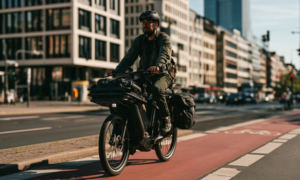
Digital nomads are not just people on permanent holiday. Most of them have routines, deadlines, calls, and responsibilities like anyone else. The difference is that their office might be an apartment in Lisbon, a coworking space in Bali, or a café in Madeira.
Technology has made this possible in very practical ways. Reliable Wi-Fi, mobile data, cloud storage, online banking, booking platforms, and communication tools have removed many of the barriers that used to make working abroad difficult. Even small details, such as being able to sign documents online or manage invoices from another country, make a big difference.
Because of this, many remote workers now prefer slower travel. Instead of moving from hotel to hotel every few days, they often choose one place and stay there for a month or two. Renting an apartment gives them more comfort, privacy, and space to build a proper routine.
Madeira is one destination that has become especially popular with remote workers. The island offers mild weather, dramatic nature, good infrastructure, and a relaxed lifestyle that suits longer stays. It feels far away from the stress of big cities, but still has the services and connectivity remote workers need.
Many digital nomads look for accommodation in Madeira when planning a longer stay, because having a real apartment makes it much easier to work, cook, rest, and experience the island beyond the usual tourist route.
Of course, this lifestyle is not without challenges. Time zones can be annoying, routines can be hard to maintain, and it takes discipline to stay productive when there is so much to explore outside. But for many people, the freedom is worth it.
Technology has changed travel from something occasional into something that can be part of everyday life. It has also changed the way people think about work. A career no longer has to be tied to one desk, one office, or even one country.
For remote workers who want more freedom without giving up stability, the digital nomad lifestyle is no longer a dream. It is a practical option — and technology is the reason it works.