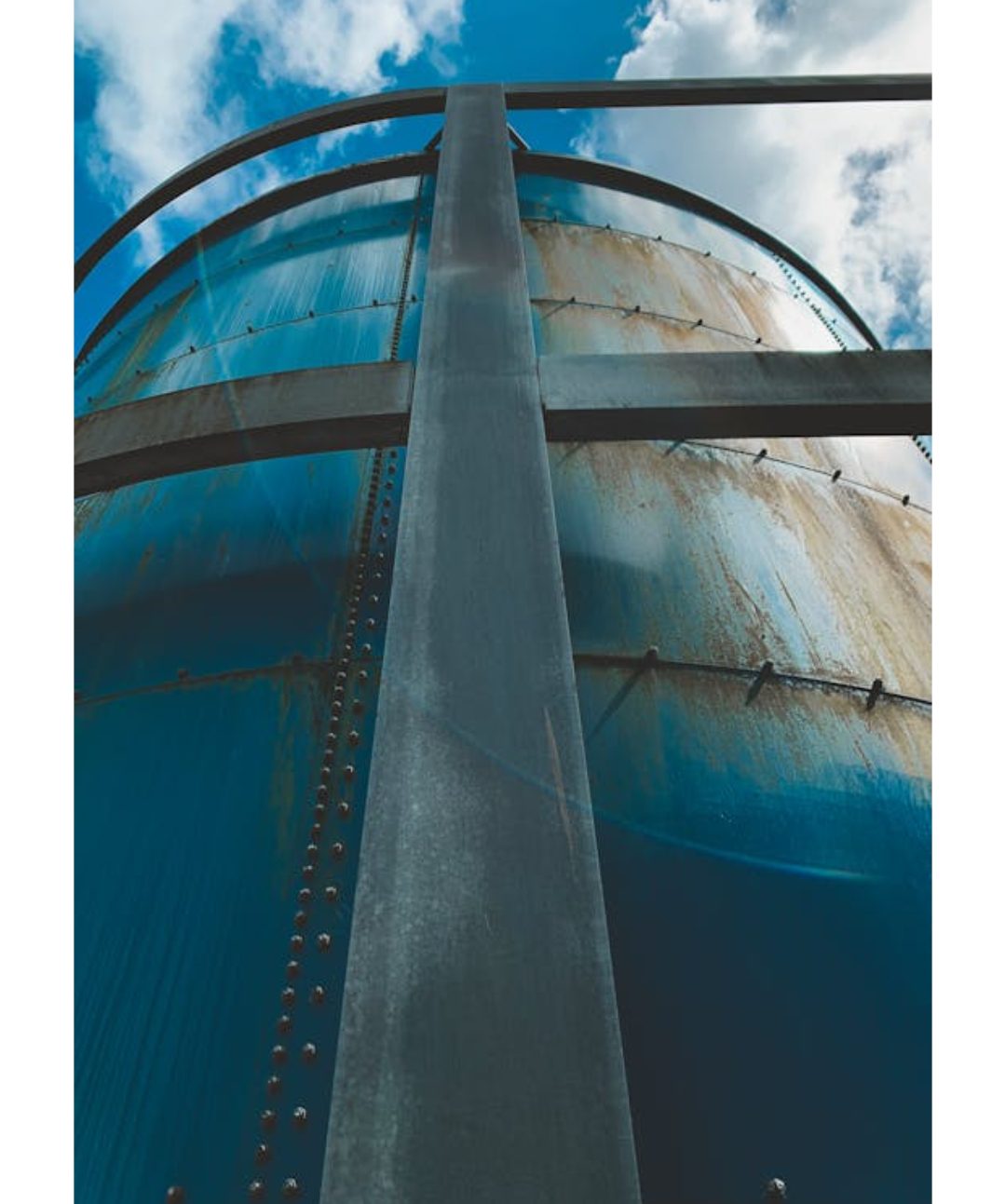
Outdoor tanks live in the weather. Sun, wind, rain, and freezing nights hit them every day. Those swings can push a process off target and raise operating costs fast.
Insulation adds a thermal buffer. It helps keep the product closer to its target range, day and night. It can also reduce stress on equipment that has to “chase” temperature changes.
Why Storage Tank Insulation Matters in Real-World Conditions
Think of insulation as a slowdown layer for heat flow. In summer, it slows heat gain from the sun and hot air. In winter, it slows heat loss from the product to cold air.
That stability protects quality and reduces surprises. You may see fewer viscosity shifts, fewer process alarms, and less cycling of heaters or chillers. Done well, storage tank insulation can also lower condensation and reduce corrosion risk around cold spots.
Insulation solves practical problems that show up outside. It reduces sharp temperature swings that can cause stratification. It can limit extreme surface temperatures that create safety concerns. It can also help avoid product degradation when the tank sits between batches.
Performance in Hot Climates: Cutting Heat Gain and Protecting Product
Hot climates create two common issues: heat gain and solar “hot zones.” A dark tank wall can run far hotter than the air temperature. That heat then migrates into the product, especially near the shell.
For water and many industrial liquids, heat gain can shift process control. For oils, polymers, and some chemical blends, higher temperatures can change viscosity and flow. In some services, you may see more vapor losses, higher venting activity, or faster spoilage for sensitive contents.
Insulation helps by slowing the rate of heat entering the tank. That reduces peak product temperatures and limits daily swings. It can also lower cooling or recirculation loads, which supports energy-efficient storage tank systems.
Sunshading helps, yet it works best as a complement. Shade reduces direct radiation, but wind and hot air still transfer heat. Engineered insulation with proper jacketing can provide more consistent protection, especially when temperatures stay high for long stretches.
Performance in Cold Climates: Freeze Protection and Energy Savings
Cold weather brings a different risk set. Water and process liquids can freeze in nozzles and piping first. Some products thicken, settle, or solidify, which can shut down flow and cause downtime.
Insulation reduces heat loss, yet many sites pair it with controlled heating. Heat tracing, immersion heaters, or recirculation loops help keep temperatures above critical limits. This approach is common for preventing tank freezing in winter, especially where codes or safety plans require reliable flow.
Do not ignore the base. Heat can leave through the tank floor and into the foundation. Tank base insulation can reduce that loss and protect concrete from repeated freeze-thaw stress. It can also reduce heater run time, which improves payback.
Is insulation alone enough in cold climates? Sometimes, in mild winters and with resilient products, it can work. In harsher regions, most operators plan for insulation plus controlled heating, then tune the system to real operating data.
| Topic | Hot Climate Focus | Cold Climate Focus |
| Main risk | Overheating, stratification, vapor activity | Freezing, thickening, and nozzle damage |
| What insulation prevents | Rapid heat gain, extreme wall temperatures | Rapid heat loss, cold spots, ice formation |
| Common add-ons | Sunshade, reflective jacketing, and ventilation control | Heat tracing, heaters, recirculation |
| Biggest quality concern | Viscosity shifts, spoilage, vapor losses | Solidification, blocked lines, downtime |
| Best success metric | Lower peak temps and steadier control | Fewer freeze events and lower heater runtime |
Materials, Design Details, and Choosing the Right Insulation System
The market offers many insulation types. Mineral wool and fiberglass see wide use and can perform well in many services. Cellular glass offers strong moisture resistance and compressive strength in some designs. Polyurethane foams can deliver high thermal performance when the system design fits the service.
Thermal insulation for storage tanks depends on more than R-value. Moisture management matters. Mechanical protection matters. So does how the system handles daily thermal expansion and contraction.
Design details that drive results
Panel layout and jacketing seams control water entry. A well-sealed jacket reduces saturation and keeps thermal performance stable. Vapor barriers can help, yet they must match the temperature range and site conditions.
Access points need care. Nozzles, manways, ladders, and platforms create breaks in the insulation envelope. If crews skip details at penetrations, cold spots and condensation can appear fast. Those spots can raise corrosion under insulation risk over time.
Practical selection criteria
Start with operating temperatures and climate exposure. Next, consider the stored material and how it reacts to heat or cold. Then look at impact resistance, maintenance access, and inspection needs.
Retrofits are common. Many insulated storage tanks start as bare shells, then receive insulation later. A retrofit can work well, but it needs a tank condition review first. Supports, attachments, and coating conditions all influence the final system design.
Working With Experienced Tank and Insulation Providers
Performance comes from the full package, not a single component. Tank design, insulation selection, proper supports, and clean installation practices all matter. Inspection and small repairs keep the system working year after year.
A good project starts with clear targets. Define the allowable product temperature range. Document climate extremes and wind exposure. Note any known issues, like moisture ingress or recurring freeze events.
Use this short checklist before you call a supplier or contractor:
- Record the product’s critical temperature limits and your normal operating setpoints.
- Map the climate risks: peak sun load, lowest winter nights, wind exposure, and precipitation.
- Identify weak points: nozzles, piping runs, roof vents, and any areas with past leaks.
- Decide how you will control temperature: insulation only, or insulation plus heaters or tracing.
- Plan inspection access, since maintenance needs space around ladders, platforms, and fittings.
With clear inputs, the design team can align material choice, jacketing, and installation details. That improves reliability in both hot and cold climate tank insulation scenarios. It also reduces energy waste and protects product quality for tank insulation for industrial applications.