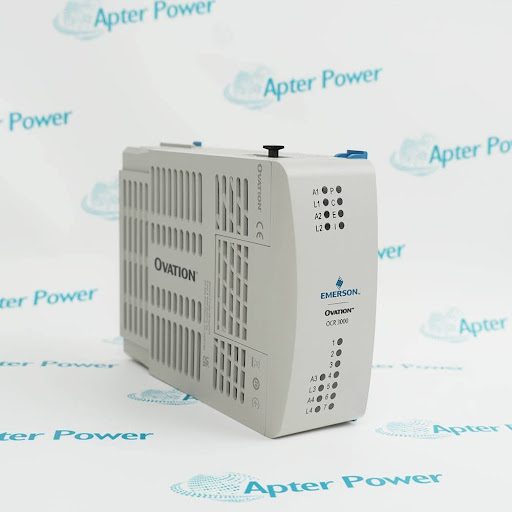
Industrial operations face mounting pressure as OEM spare parts costs continue climbing, often straining maintenance budgets and forcing difficult decisions between equipment reliability and financial constraints. For purchasing agents managing Emerson automation systems, the price gap between new and alternative parts has widened significantly, making traditional procurement strategies increasingly unsustainable. This economic reality has sparked growing interest in refurbished Emerson parts as a practical middle ground that promises substantial savings without compromising operational integrity.
Despite the clear financial appeal, many organizations hesitate when considering refurbished components, questioning whether these parts can truly match the performance and longevity of brand-new units. Concerns about quality control, warranty coverage, and long-term reliability often overshadow the potential cost benefits. This article addresses these critical concerns head-on, examining how properly refurbished Emerson parts undergo rigorous testing and certification processes that ensure they meet demanding industrial standards. We’ll explore the refurbishment industry’s quality assurance practices, cost-saving potential, and practical guidance for sourcing reliable components that deliver both performance and value.
The Growing Demand for Emerson Surplus Parts
The financial landscape for industrial maintenance has shifted dramatically over the past decade. New OEM spare parts from Emerson have experienced price increases averaging 15-25% in recent years, with some specialized components seeing even steeper jumps. These escalating costs directly impact operational budgets, particularly for facilities managing aging automation systems that require frequent component replacements. When a critical DeltaV controller or PlantWeb device fails, maintenance teams face sticker shock that can derail quarterly budgets and force uncomfortable conversations with finance departments.
This pricing pressure has fundamentally changed procurement strategies across industries. Purchasing agents who once exclusively ordered new OEM parts now actively explore alternative sourcing options, with refurbished and surplus Emerson components gaining serious consideration. The shift isn’t merely about cutting corners—it’s strategic resource allocation. Organizations recognize that not every replacement scenario demands factory-fresh components, especially when refurbished alternatives can deliver comparable performance at 40-70% lower costs. For facilities managing multiple sites or extensive automation networks, these savings compound quickly, potentially freeing up hundreds of thousands of dollars annually for other critical investments.
The financial case becomes even more compelling when considering inventory management. Rather than maintaining expensive stockpiles of new spare parts that may sit unused for years, companies can adopt leaner inventory strategies by sourcing refurbished components as needed. This approach reduces capital tied up in spare parts while maintaining operational readiness, creating a more agile and cost-effective maintenance operation that responds to actual needs rather than hypothetical failures.
Understanding Refurbished Emerson Parts
Refurbished Emerson parts are previously used components that have undergone comprehensive restoration to return them to full operational capability. Unlike simple used parts sold “as-is,” refurbished components pass through systematic processes that identify worn elements, replace degraded parts, and verify performance against established specifications. A refurbished DeltaV I/O card, for example, receives thorough inspection where technicians examine circuit boards for corrosion, test all connection points, replace capacitors showing signs of aging, and verify signal integrity across all channels before certification.
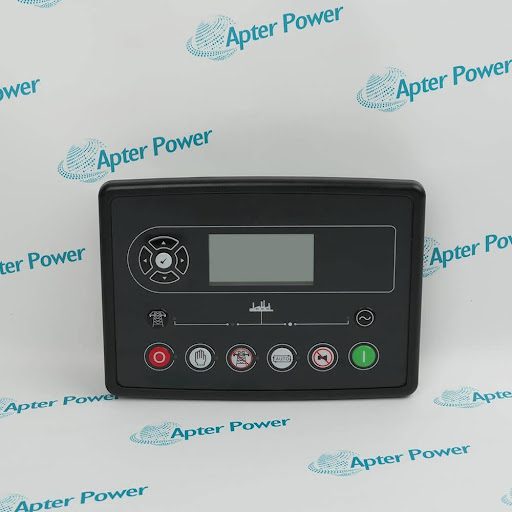
The refurbishment process follows structured protocols that mirror OEM quality standards. Skilled technicians begin with detailed visual inspections and diagnostic testing to assess each component’s condition. Components then undergo cleaning, repair, and replacement of any substandard elements using quality parts that meet or exceed original specifications. After reassembly, each unit faces rigorous functional testing under simulated operational conditions—checking voltage tolerances, signal accuracy, communication protocols, and environmental stress responses. Only components that pass these comprehensive evaluations earn refurbished certification, while those falling short get recycled or scrapped.
Performance comparisons between refurbished and new Emerson parts reveal surprisingly narrow gaps in most operational metrics. Properly refurbished components typically deliver 95-98% of new part performance, with functional differences imperceptible in standard industrial applications. The refurbishment process essentially resets component lifecycle by addressing wear patterns and replacing degraded elements, effectively giving the part a second operational life. While brand-new components may offer marginal advantages in extreme conditions or applications requiring absolute precision, refurbished parts consistently meet the performance demands of typical process control, monitoring, and automation tasks. For most maintenance scenarios, the functional difference proves negligible while the cost difference remains substantial, making refurbished components a pragmatic choice that balances performance requirements with budget realities.
Quality Assurance for Refurbished Parts
Reputable refurbishment operations implement multi-stage testing protocols that subject each Emerson component to scrutiny matching or exceeding original factory standards. The process begins with incoming inspection, where technicians document the part’s condition and identify obvious defects or damage. Following refurbishment work, components enter functional testing phases that simulate real-world operating conditions. For Emerson DeltaV controllers, this means verifying communication bus performance, testing I/O signal accuracy across full voltage ranges, confirming proper response times, and validating firmware integrity. Environmental stress testing follows, exposing components to temperature cycling, humidity variations, and electrical noise to ensure stable operation under challenging conditions. Only after passing this comprehensive evaluation do parts receive certification and become available for sale.
Warranty coverage on refurbished Emerson parts has evolved considerably, with leading suppliers now offering protection that rivals new component warranties. Standard warranties typically range from 12 to 24 months, covering defects in materials and workmanship that emerge during normal operation. Some specialized refurbishers extend warranties to 36 months on select components, demonstrating confidence in their restoration processes. These warranties generally include replacement or repair of failed units, with many suppliers offering advance exchange programs that minimize downtime. The warranty terms themselves serve as quality indicators—suppliers confident in their refurbishment processes back their work with substantial guarantees, while those offering minimal or no warranty coverage may be cutting corners in testing and certification.
Common misconceptions about refurbished part reliability often stem from confusion between different categories of used components. Refurbished parts differ fundamentally from “used” or “as-is” components that receive no restoration work. The belief that refurbished parts fail more frequently than new ones doesn’t align with field data from facilities tracking component performance. Properly refurbished Emerson parts typically demonstrate failure rates within 2-5% of new components during their warranty period, a statistically insignificant difference for most applications. Another misconception suggests refurbished parts can’t handle demanding applications, yet these components routinely perform in critical process control roles across chemical plants, refineries, and power generation facilities. The key distinction lies in sourcing from qualified refurbishers who maintain rigorous standards rather than opportunistic resellers simply flipping used inventory without proper restoration work.
How to Source Reliable Emerson Surplus Parts
Selecting a trustworthy supplier requires evaluating several critical factors that separate professional refurbishers from opportunistic resellers. Start by examining the supplier’s technical capabilities—do they employ certified technicians with specific Emerson system training? Verify they maintain proper testing equipment calibrated to manufacturer specifications, as this infrastructure indicates serious commitment to quality. Request documentation of their refurbishment procedures, including inspection checklists, testing protocols, and quality control measures. Established suppliers readily provide this information, while questionable vendors often dodge these inquiries. Check their industry tenure and customer references, particularly from organizations in your sector facing similar operational demands. Suppliers with 10+ years serving industrial clients typically have refined processes and understand the consequences of providing substandard components.
Verifying part authenticity and condition before purchase protects against counterfeit components and misrepresented inventory. Request detailed photographs showing serial numbers, component markings, and overall condition from multiple angles. Legitimate Emerson parts carry specific identifiers—model numbers, revision codes, and manufacturing dates—that you can cross-reference against Emerson documentation. Ask suppliers to provide traceability records showing the part’s origin and service history when available. Inquire about their incoming inspection process and what percentage of acquired inventory they reject as unsuitable for refurbishment. Reputable suppliers typically reject 20-30% of incoming stock that fails to meet their standards, while less scrupulous operations accept nearly everything.
Pose specific questions that reveal supplier expertise and commitment to quality. Ask what testing equipment they use for specific component types—vague answers suggest limited capabilities. Question their warranty terms and what situations void coverage, as this reveals confidence in their work. Inquire about their parts sourcing methods and whether they accept returns of components that don’t meet your specifications. Request failure rate data for components similar to what you’re purchasing, and ask how they handle warranty claims. Professional refurbishers answer these questions directly with specific details, while marginal suppliers provide evasive or generic responses that should raise immediate concerns about their operation’s legitimacy and quality standards. Companies like Apter Power, which specialize in automation and industrial spare parts, typically maintain transparent documentation of their refurbishment processes and testing protocols, making it easier for purchasing agents to verify quality standards before committing to significant orders.
Making the Smart Choice for Industrial Maintenance
Refurbished Emerson parts deliver a compelling value proposition that addresses the dual challenges of escalating OEM costs and uncompromising quality requirements. Through systematic refurbishment processes involving comprehensive testing, component replacement, and rigorous certification protocols, these parts achieve performance levels that closely match new components while delivering cost savings of 40-70%. The warranty coverage offered by reputable suppliers—often extending 12-24 months or longer—demonstrates industry confidence in refurbished component reliability and provides purchasing agents with meaningful protection against defects.
The quality assurance measures implemented by established refurbishers effectively eliminate the performance gaps that once separated refurbished parts from new OEM components. For organizations managing Emerson automation systems under budget constraints, refurbished parts represent not a compromise but a strategic procurement decision that optimizes resource allocation without sacrificing operational integrity. The key lies in partnering with qualified suppliers who maintain transparent processes, employ certified technicians, and back their work with substantial warranties.
Purchasing agents facing mounting pressure to reduce maintenance costs while maintaining system reliability should actively evaluate refurbished Emerson parts as a viable alternative to new OEM components. Begin by identifying reputable suppliers with proven track records, request detailed documentation of their refurbishment and testing procedures, and start with non-critical applications to build confidence in component performance. The combination of significant cost savings and reliable operation makes refurbished parts an increasingly essential tool for sustainable industrial maintenance strategies.
Read more 1c31205g01