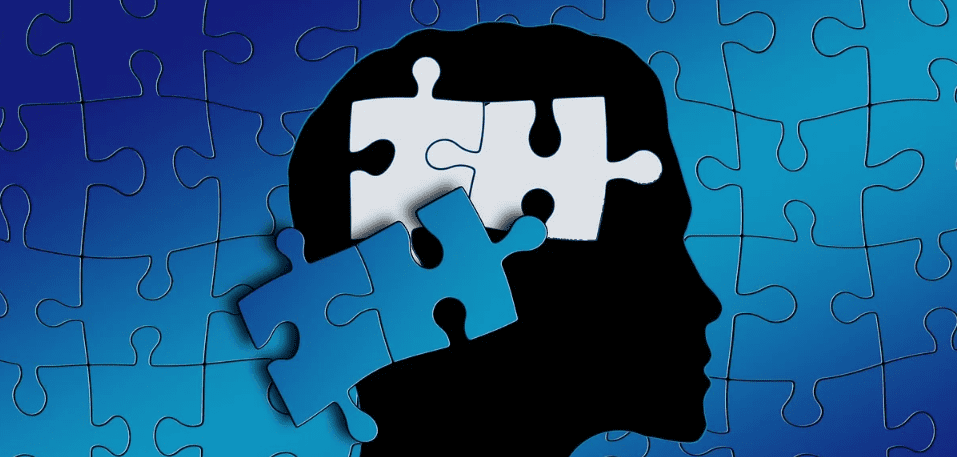
Many survivors of trauma experience symptoms of post-traumatic stress disorder (PTSD), such as anxiety, sleep issues, and intrusive thoughts. Counseling can help them heal by providing them with the tools that bring back the feeling of being safe and in control. Through a framework within which they can recover a sense of agency and build back up their trust in themselves and other people, they can find their way back to a place of relative normality.
Understanding PTSD and Its Effects
Trauma can create emotional and psychological scars that last for years. Intrusive thoughts, anxiety, and helplessness are frequent consequences of PTSD. These symptoms often interfere with normal daily functioning and relationships. For example, one of the common symptoms of PTSD is that individuals feel alienated or distanced from the world around them. The fear and anxiety can take over and make it difficult to accomplish even the simplest of tasks.
The Role of Professional Support
Therapy offers a safe space for discussing events without any judgment. In PTSD counseling, professionals help individuals navigate emotions and process confusing memories. They guide clients through challenging situations by listening to their concerns and teaching them healthy coping strategies. These sessions build trust between the individual and the therapist.
Establishing a Sense of Security
Therapy can offer predictability and routine, which can be very calming. Having a regular time and place for people to show up makes them feel stable. This promise of the steady presence of a therapist reassures those struggling with uncertainty. Over time, this consistency can lead to diminished feelings of fear and uncertainty that are common with PTSD.
Learning Coping Strategies
Counseling provides actionable strategies to help individuals deal with anxiety and stress. Techniques such as breathing exercises, mindfulness meditation, and grounding techniques can provide relief in times of crisis. People discover how to recognize the early signs of anxiety and manage it by utilizing healthy skills. These tools allow individuals to handle challenges in their daily life with more confidence.
Rebuilding Trust and Relationships
Trauma can create feelings of distrust in yourself and anyone else around you. Therapy allows you to explore your feelings regarding trust and safety. Guided conversations mean that you can share your fears and slowly begin to accept new connections. With the passage of time, people find it easier to interact with family, friends, and coworkers. Improved interactions help people feel connected and grounded.
Restoring Control Over Daily Life
Individuals living with PTSD tend to feel they lack control over their daily life. Therapy helps them take small steps in the right direction to regain control. Creating realistic objectives and celebrating small victories incentivizes people to become proactive in their lives. Counselors’ feedback and encouragement help clients see what they are doing right and what they have accomplished.
Addressing Triggers and Flashbacks
Triggers of trauma can disrupt everyday experiences. In counseling, individuals develop an understanding of what triggers them and why they react the way they do. Therapists teach you methods to deal with these triggers and manage your reactions. Through these exercises, individuals slowly restore their faith in their ability to cope with uncomfortable events.
Promoting Emotional Healing
Counseling helps you be kinder to yourself and learn that adjusting takes time. Clients are encouraged to acknowledge and discuss their feelings in a safe space. This acceptance heals emotional scars and rebuilds a positive sense of self. With time, many experience hope and positivity once again in their lives.
Encouraging Long-Term Recovery
Recovery is rarely a quick process. Therapists facilitate personal growth throughout the process and help people set realistic expectations for themselves. There may be relapses or slip-ups, but a therapist will remind you to keep pushing ahead and provide you with the tools to do so. Ongoing support helps individuals stay stable and hold onto the progress they have made.
Conclusion
PTSD counseling is essential for individuals seeking to reclaim feelings of safety and control in their lives. It helps individuals deal with their trauma through understanding, new skills, and healthy coping mechanisms. Therapists create a safe space for individuals to discuss their feelings without judgment, laying the groundwork for long-term recovery.