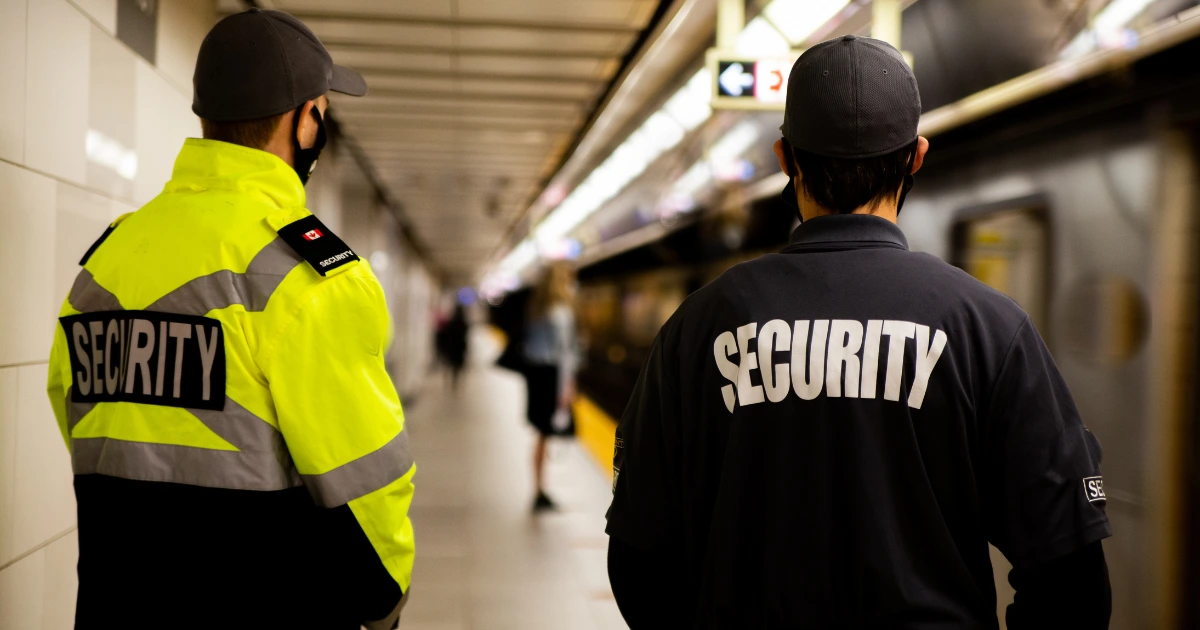
For a long time, commercial security was viewed narrowly. Guards were expected to deter crime, check doors, and call the police when something went wrong. Today, that definition is outdated. Modern commercial properties are complex environments with constant movement, liability exposure, customer-facing interactions, and operational details that never stop—day or night. In response, professional security companies are redefining their role, evolving from static guard providers into active partners who enhance safety, customer experience, and overall property management efficiency.
This shift is especially noticeable at retail centers, mixed-use developments, warehouses, medical facilities, and large residential communities, where security officers are now expected to do much more than stand watch. Providers such as VP Security Guards illustrate how modern security has moved beyond deterrence and into full operational support for property owners and managers.
Security as a Customer Experience Tool
Security has a direct impact on how customers, tenants, and visitors experience a property. A visible, professional security presence communicates order and safety. When people feel safe, they stay longer, return more often, and interact more comfortably with the space around them.
Well-trained security officers understand this balance. They know how to enforce rules without being confrontational, how to assist visitors without overstepping, and how to de-escalate issues before they become incidents. In retail environments, this can mean calmly addressing loitering or disruptive behavior without affecting shoppers. In office or residential properties, it often means responding quickly to tenant concerns and resolving issues before frustration builds.
Professional security companies invest heavily in training precisely because guards are often the first—and most visible—point of contact on a property. Their conduct reflects directly on ownership and management.
Enhancing Safety for Customers, Tenants, and Staff
Beyond perception, safety outcomes improve significantly when security operations are structured and proactive. Organized patrol routes reduce blind spots. Documented access control procedures limit unauthorized entry. Clear response protocols ensure incidents are handled consistently.
Local police departments frequently emphasize that timely, accurate information from on-site security can make a critical difference. When security officers can provide clear descriptions, timestamps, locations, and visual documentation, law enforcement response becomes more effective.
In many jurisdictions, particularly in large metro areas with stretched public resources, private security plays a key role in prevention. The goal is not to replace law enforcement, but to bridge the gap—deterring issues early and escalating them properly when needed.
Security That Helps Properties Run Better
One of the most overlooked benefits of professional security is operational support. Guards who are trained to observe and document more than just security incidents become invaluable to property managers.
During routine patrols, officers often notice issues that would otherwise go unreported for days: broken lighting, damaged fixtures, leaking sprinklers, unsafe walkways, unsecured gates, or vandalized signage. Left unattended, these small problems can become safety hazards, liability risks, or costly repairs.
When a security company integrates reporting into daily operations, property owners gain a constant stream of actionable intelligence. Instead of waiting for tenant complaints or periodic inspections, management receives real-time visibility into what’s happening across the site.
The Role of Technology in Modern Security Management
This evolution is driven in large part by modern management platforms such as Silvertrac. When used properly, these systems transform security from a passive service into a data-driven operation.
With a platform like this, patrol routes are established digitally and monitored in real time. Guards check in at designated points using GPS-verified checkpoints, ensuring patrols are completed as planned. Missed checkpoints or irregular activity are immediately visible to supervisors.
Just as important, reporting becomes far more powerful. Officers can submit detailed reports that include time stamps, GPS locations, photos, and videos. If a sprinkler line is broken, a photo and exact location are logged instantly. If graffiti appears overnight, it’s documented before the property opens. If suspicious activity occurs, visual evidence is preserved and organized.
For property managers and owners, this means fewer surprises and faster decision-making.
Real-Time Accountability and Better Oversight
Accountability is a defining characteristic of professional security companies. Without oversight, even well-intentioned guards can become complacent. Technology allows management teams to maintain consistent standards across every site.
Supervisors can review patrol activity as it happens, not days later. Reports can be audited for accuracy and completeness. Patterns—such as repeated issues in certain areas—become visible over time, allowing for adjustments in staffing or patrol strategy.
This level of transparency builds trust. Property managers know what they’re paying for, and security teams know their work matters. The result is a more engaged workforce and a higher level of service.
Acting as the Eyes and Ears of Ownership
When security is executed at this level, the role expands naturally. The security company becomes the eyes and ears of ownership and management.
Instead of relying solely on scheduled site visits, owners effectively have continuous oversight. Guards report issues as they arise. Photos and videos provide context that written notes never could. GPS-verified logs confirm coverage.
For absentee owners or managers overseeing multiple properties, this is a game-changer. It’s not an exaggeration to say that professional security can feel like having a property manager on site 24/7—someone constantly observing, documenting, and communicating what matters.
Working Closely With Local Authorities
Another critical component of modern security operations is collaboration with local authorities. Professional security companies prioritize building working relationships with local police departments, sheriff’s offices, and, where applicable, fire departments.
These relationships matter. When an incident occurs, guards who understand local procedures can preserve evidence correctly, document details in a way law enforcement finds useful, and provide clear, organized reports that include photos and video footage of incidents or suspects.
This level of cooperation improves response outcomes and reduces friction during investigations. It also demonstrates to local authorities that the property is being managed responsibly, which can influence how issues are prioritized.
Immediate Response Through Site-Specific Communication
Customer experience and safety also depend on responsiveness. Many professional security providers now implement site-specific communication systems, including dedicated phones or direct lines assigned to a property.
This allows tenants, staff, or authorized personnel to reach on-site security immediately without navigating call centers or general numbers. Whether it’s a late-night concern, an access issue, or a safety question, help is only moments away.
Fast response times don’t just resolve incidents—they prevent escalation. A small issue addressed quickly rarely becomes a major one.
A Real-World Example of Modern Security in Action
Companies like VP Security Guards illustrate how this approach works in practice. By combining trained personnel, structured supervision, advanced reporting systems, and strong coordination with local authorities, they deliver security that goes beyond deterrence.
Their model shows how security can support property operations, improve tenant satisfaction, and reduce long-term risk—all while maintaining accountability and transparency. It’s a practical example of how the industry is moving forward.
Redefining the Value of Security Services
The value of professional security today isn’t measured solely by incident counts. It’s measured by smoother operations, better communication, safer environments, and informed decision-making.
Property owners and managers increasingly recognize that security is not just a cost center—it’s an operational asset. When done right, it protects people, preserves property, and enhances the overall experience of everyone who uses the space.
As commercial properties continue to grow more complex, the role of professional security companies will only expand. Those that embrace technology, accountability, and collaboration are setting a new standard—one where security and property management work hand in hand.
In many ways, the future of commercial security is already here. It’s proactive, transparent, and deeply integrated into how properties are managed every day.
Read More From Techbullion