Introduction
Adventure tourism has evolved into a refined form of travel that blends excitement, personal growth, and meaningful connection with nature. Modern travelers are no longer satisfied with passive sightseeing or standardized itineraries. Instead, they seek immersive experiences that challenge comfort zones while remaining safe, well organized, and thoughtfully guided. This shift has elevated expectations for how adventure activities are delivered, placing greater responsibility on operators to balance thrill with professionalism.
Professional adventure operators now play a central role in shaping the quality and credibility of outdoor tourism. Their expertise determines whether an experience feels chaotic or seamless, risky or reassuring, memorable or forgettable. Travelers increasingly recognize that behind every successful adventure lies careful planning, technical knowledge, and an unwavering commitment to participant well being. These factors are especially important as adventure tourism attracts a broader audience that includes first time participants, families, and individuals seeking controlled exposure to adrenaline.
As destinations compete to attract experience driven travelers, the standard of service offered by adventure providers has become a defining factor. Structured programs, skilled guides, and attention to detail distinguish premium experiences from casual offerings. The result is a tourism model that values preparation as much as excitement, and trust as much as adrenaline.
This article explores how professional adventure operators elevate outdoor tourism experiences through expertise, structure, and a deep understanding of human motivation. From safety frameworks and equipment standards to personalization and sustainability, each section examines the elements that transform high energy activities into well rounded lifestyle experiences. Together, these insights reveal why professionalism is not an accessory in adventure tourism, but its foundation.
The Evolution of Adventure Tourism in Modern Travel
Adventure tourism has transitioned from a niche pursuit into a mainstream segment of the global travel industry. What was once associated primarily with extreme athletes or thrill seekers has expanded to include travelers of varying ages, fitness levels, and motivations. This growth reflects a broader cultural shift toward experiential travel, where personal engagement matters more than passive observation.
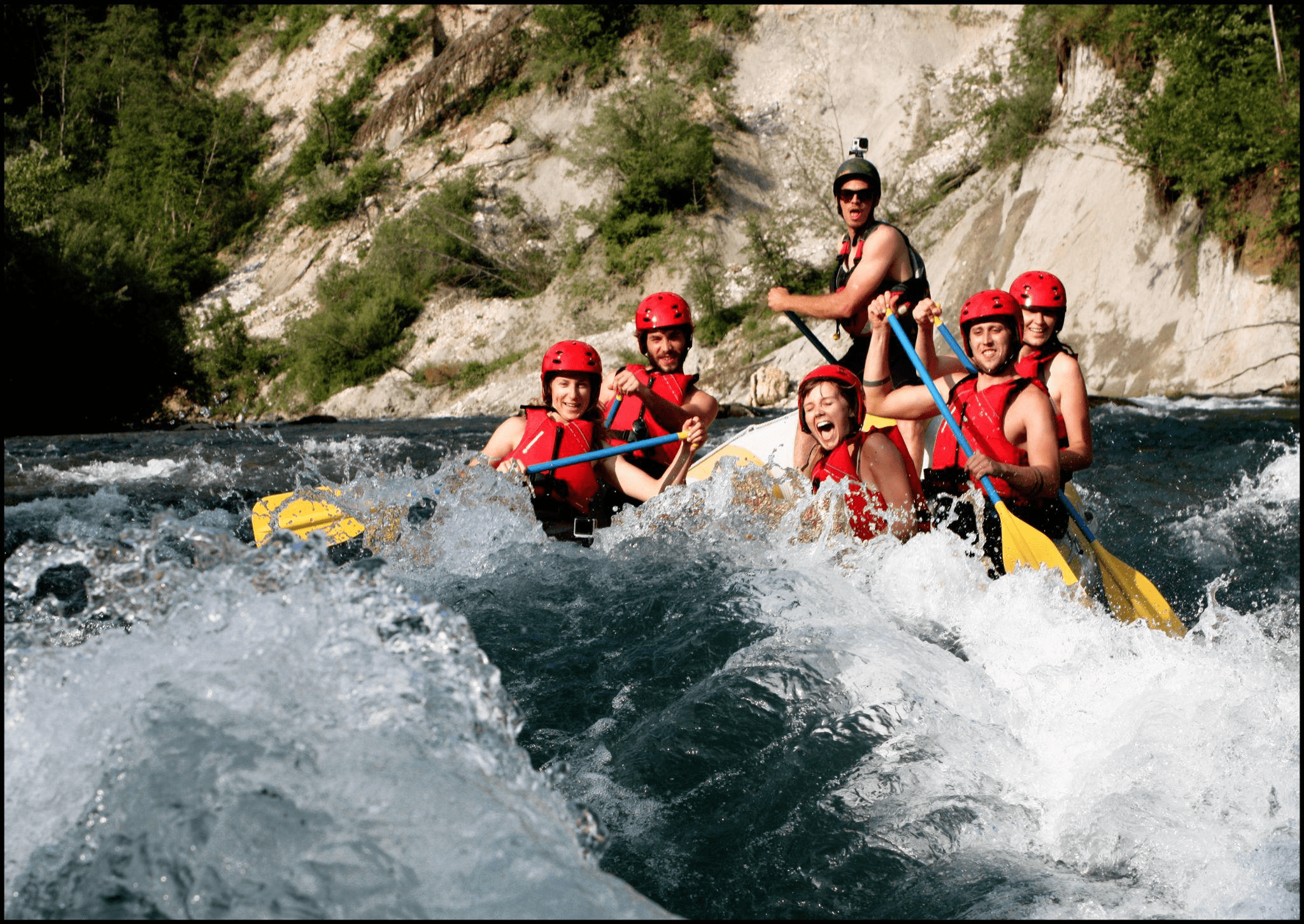
Modern adventure tourism emphasizes emotional impact alongside physical activity. Travelers seek moments that foster confidence, mindfulness, and a sense of accomplishment. Activities such as rafting, canyoning, or aerial experiences are no longer viewed solely as adrenaline challenges. They are now perceived as opportunities for personal enrichment and connection with natural landscapes.
This evolution has also raised expectations around organization and quality. Early adventure travel often relied on informal arrangements and limited oversight. Today’s travelers expect professional coordination, transparent communication, and clear safety standards. As adventure tourism matures, it increasingly mirrors the service sophistication found in luxury travel, while retaining its raw and authentic appeal.
Technology has further influenced this shift by making information more accessible. Travelers research operators extensively, compare certifications, and read participant reviews before committing. This transparency has encouraged higher standards across the industry, rewarding operators who invest in training, equipment, and customer experience.
Destinations have responded by integrating adventure offerings into broader tourism strategies. Outdoor experiences are now positioned as gateways to cultural immersion, wellness, and sustainable travel. This approach attracts travelers who value depth over volume and quality over novelty.
Ultimately, the evolution of adventure tourism reflects a growing desire for meaningful engagement. As travelers seek experiences that resonate long after the journey ends, professional operators have become essential in delivering adventures that feel both exhilarating and responsibly crafted.
Why Professional Structuring Matters in High-Risk Adventures
High risk adventure activities demand far more than enthusiasm and scenic settings. Without professional structuring, even the most breathtaking environment can become a source of uncertainty rather than inspiration. Structured planning transforms potential risk into controlled challenge, allowing participants to focus on the experience instead of potential hazards.
Professional structuring begins long before participants arrive on site. It involves route assessments, weather analysis, contingency planning, and clear sequencing of activities. Each step is designed to minimize unpredictability while preserving the excitement that defines adventure tourism. This level of preparation ensures that activities unfold smoothly, regardless of external variables.
Clear structure also supports participant confidence. When individuals understand what to expect, how long activities will last, and what support is available, anxiety decreases and enjoyment increases. This is particularly important for first time participants who may be unfamiliar with adventure environments. Transparent briefings and logical progression allow them to engage fully without feeling overwhelmed.
In destinations like Slovenia, where natural landscapes offer diverse adventure opportunities, structured delivery becomes even more critical. Providers such as Xsport Slovenia exemplify how professional frameworks can elevate high energy activities into refined experiences that appeal to a wide audience.
Professional structuring also enables adaptability. When conditions change, trained teams can adjust plans quickly without compromising safety or flow. This flexibility distinguishes established operators from informal providers who lack procedural depth.
Ultimately, structure does not limit adventure. It enhances it. By removing unnecessary uncertainty, professional structuring allows participants to immerse themselves in the moment, trust the process, and walk away with memories defined by excitement rather than concern.
The Role of Certified Guides in Building Trust and Confidence
Certified guides are the human foundation of professional adventure tourism. Their presence reassures participants that each activity is being led by someone with verified skills, deep experience, and the ability to respond calmly under pressure. In high intensity environments, trust is not optional. It is essential to participant comfort and overall satisfaction.
Professional certification reflects more than technical ability. It represents training in risk assessment, emergency response, communication, and group psychology. Guides must understand how to read individual participants as well as environmental conditions. This awareness allows them to adjust pacing, offer encouragement, and intervene early when hesitation or fatigue appears.
Confidence grows when participants feel seen and supported. Skilled guides know how to explain complex procedures in clear, accessible language. They create space for questions and ensure that instructions are fully understood before an activity begins. This approach reduces fear and empowers participants to engage actively rather than defensively.
Many established adventure providers invest heavily in guide development. On platforms such as https://www.xsport.si/, the emphasis on licensed instructors reflects a broader commitment to professionalism. Visitors are introduced to experiences shaped by individuals who treat safety and enjoyment as complementary goals rather than competing priorities.
Guides also act as interpreters of the landscape. Their knowledge of terrain, weather patterns, and local conditions enhances the experience beyond the physical activity itself. Participants gain insight into the environment, deepening appreciation and emotional connection.
Ultimately, certified guides transform adventure from a test of courage into a shared journey. Their presence allows participants to relax into the experience, knowing that expertise is guiding every step. This trust is what turns a challenging activity into a memorable and fulfilling experience.
Safety Frameworks Behind Seamless Adventure Experiences
Behind every smooth adventure experience lies a carefully designed safety framework. These systems operate quietly in the background, ensuring that participants remain protected without feeling restricted. Effective safety frameworks allow adventure to feel natural rather than controlled, which is essential for enjoyment.
Safety planning begins with comprehensive risk assessments. Operators analyze terrain, weather variability, participant fitness levels, and equipment requirements. Each factor informs the design of procedures that anticipate challenges before they arise. This proactive approach reduces the likelihood of reactive decision making during activities.
Clear protocols are central to these frameworks. Emergency response plans, communication hierarchies, and equipment checks are standardized and rehearsed regularly. When everyone on the team understands their role, coordination improves and stress decreases. Participants benefit from this clarity even if they never see the systems in action.
Training reinforces these frameworks. Guides and support staff participate in ongoing drills that simulate real world scenarios. This preparation ensures calm, decisive responses under pressure. Consistency in training also promotes alignment across teams, which is vital when managing groups with varied experience levels.
Safety frameworks must remain flexible. Environmental conditions can change quickly, especially in outdoor settings. Professional operators build adaptability into their systems, allowing guides to modify routes or timing while maintaining overall safety standards.
When implemented effectively, safety frameworks become invisible to participants. They experience freedom, excitement, and immersion, unaware of the complex systems supporting them. This seamless integration of safety and adventure defines professional outdoor tourism and sets high quality operators apart.
Equipment Standards and Their Impact on Performance and Comfort
Equipment plays a defining role in how adventure experiences are perceived. High quality gear enhances comfort, performance, and confidence, while substandard equipment can distract or even intimidate participants. Professional operators recognize that equipment is not an accessory, but a core component of experience design.
Modern adventure equipment is engineered to meet rigorous safety and performance standards. Certified materials, precise manufacturing, and regular testing ensure reliability under demanding conditions. Helmets, harnesses, flotation devices, and technical apparel must function flawlessly across varied environments.
Comfort is equally important. Poorly fitting or outdated equipment can create physical discomfort that overshadows the experience. Professional providers invest in adjustable, well maintained gear that accommodates different body types and skill levels. This attention to detail allows participants to focus on the activity rather than physical strain.
Equipment maintenance is an ongoing responsibility. Regular inspections, cleaning protocols, and replacement schedules ensure that gear remains in optimal condition. These practices reflect a culture of care that extends from staff to participants.
Advanced equipment also supports accessibility. Lightweight materials and ergonomic designs reduce fatigue and expand participation to individuals who may be new to adventure activities. This inclusivity aligns with the growing appeal of adventure tourism as a lifestyle experience rather than an elite pursuit.
Ultimately, high equipment standards communicate professionalism without words. Participants may not understand technical specifications, but they feel the difference. Comfort, confidence, and trust emerge naturally when equipment performs as expected, reinforcing the quality of the overall experience.
Personalization as a Core Element of Premium Adventure Services
Personalization has become a defining feature of premium adventure tourism. Travelers increasingly seek experiences that reflect their individual interests, comfort levels, and personal goals. Professional operators respond by designing flexible programs that adapt to participants rather than forcing participants to adapt to rigid formats.
Personalization begins with pre activity communication. Understanding participant expectations, previous experience, and physical readiness allows operators to tailor recommendations. This dialogue helps align the experience with individual motivations, whether the goal is challenge, exploration, or relaxation.
During activities, personalization continues through pacing and guidance style. Skilled guides adjust their approach based on group dynamics and individual responses. Some participants thrive on encouragement, while others prefer quiet reassurance. Recognizing these differences enhances emotional comfort and engagement.
Customization also applies to experience combinations. Many operators offer modular activities that can be combined into full day or multi day experiences. This flexibility allows participants to build journeys that reflect their interests and energy levels.
Personalized experiences often result in stronger emotional impact. Participants feel valued rather than processed, which deepens satisfaction and memory retention. This emotional connection encourages repeat participation and positive word of mouth.
In premium adventure services, personalization is not about excess. It is about attentiveness. By listening carefully and responding thoughtfully, professional operators create experiences that feel both exciting and personally meaningful. This approach transforms adventure tourism into a lifestyle choice rooted in self discovery and well being.
How Local Expertise Enhances Route Selection and Timing
Local expertise is one of the most undervalued assets in professional adventure tourism. Operators with deep regional knowledge understand how landscapes behave across seasons, how weather patterns shift throughout the day, and how environmental factors influence safety and enjoyment. This insight directly affects route selection and timing, two elements that shape the quality of every outdoor experience.
Experienced local teams know when a river offers optimal flow, when mountain winds are most stable, or when visibility conditions favor aerial activities. These decisions are not based on schedules alone, but on lived familiarity with the environment. As a result, participants encounter conditions that feel intentional rather than coincidental.
Timing also influences energy management. Professional operators plan activities to align with natural rhythms, avoiding peak heat, fatigue windows, or overcrowded periods. This thoughtful scheduling preserves participant stamina and enhances comfort, particularly during physically demanding experiences.
Route selection benefits from historical understanding. Local experts are aware of terrain changes, seasonal erosion, and evolving access points. This awareness allows them to adjust routes proactively, ensuring consistent quality while minimizing environmental impact. Participants benefit from paths that feel curated rather than improvised.
Local knowledge also enriches storytelling. Guides share contextual insights about landscapes, ecosystems, and regional traditions. These narratives deepen emotional connection and transform physical movement into meaningful exploration.
Ultimately, local expertise acts as a bridge between nature and participants. By selecting routes and timing activities with precision, professional operators deliver experiences that feel harmonious rather than forced. This alignment enhances enjoyment, safety, and appreciation for the environment, reinforcing the value of professionally guided adventure tourism.
Managing Group Dynamics in Physically Demanding Activities
Group dynamics play a significant role in the success of adventure experiences. Physically demanding activities bring together individuals with varying fitness levels, confidence, and emotional responses. Professional operators recognize that managing these dynamics requires skill, awareness, and intentional leadership.
Effective group management begins with setting expectations. Clear communication about pacing, support, and participation norms helps create a shared understanding. When participants know that progress is collective rather than competitive, pressure decreases and cooperation increases.
Guides monitor group energy continuously. Signs of fatigue, hesitation, or overconfidence are addressed early through adjustments in pace or encouragement. This responsiveness prevents small issues from escalating into safety concerns or emotional discomfort.
Inclusivity is central to positive group dynamics. Skilled leaders ensure that quieter participants are not overlooked and that more confident individuals do not dominate the experience. Balanced engagement fosters mutual respect and shared accomplishment.
Structured breaks and regrouping points allow participants to reconnect and recalibrate. These moments provide opportunities for reassurance, hydration, and reflection. They also reinforce the sense that the group is moving together rather than as isolated individuals.
Strong group management enhances emotional safety alongside physical safety. Participants feel supported not only by guides but by peers who share the journey. This collective atmosphere transforms demanding activities into collaborative experiences.
When group dynamics are handled professionally, participants leave with more than memories of adrenaline. They carry a sense of connection and shared achievement. This social dimension elevates adventure tourism beyond physical challenge, aligning it with broader wellness and lifestyle values.
Integrating Sustainability into Adventure Operations
Sustainability has become a defining consideration in modern adventure tourism. As outdoor experiences rely directly on natural environments, professional operators understand the responsibility to protect the landscapes that make their activities possible. Sustainable practices ensure that adventure tourism remains viable for future generations.
Responsible operators design experiences that minimize environmental disturbance. Route planning avoids sensitive ecosystems, while group sizes are managed to reduce impact. These choices preserve natural integrity without diminishing participant enjoyment.
Equipment and logistics also play a role. Durable gear reduces waste through longevity, while efficient transport planning lowers environmental footprint. Many operators prioritize maintenance and reuse over constant replacement, reflecting a long term perspective.
Education is an important component of sustainability. Guides often share insights about local ecosystems and conservation efforts. This knowledge encourages participants to view nature as something to respect rather than consume.
Sustainability also extends to community relationships. Adventure operators who collaborate with local stakeholders contribute to economic stability while respecting cultural and environmental boundaries. This balance strengthens destination resilience.
From a participant perspective, sustainable operations enhance experience quality. Knowing that activities are conducted responsibly adds emotional value and aligns with modern travel ethics. Participants feel part of something positive rather than extractive.
By integrating sustainability into every layer of operation, professional adventure providers demonstrate leadership. They show that excitement and responsibility can coexist, reinforcing adventure tourism as a mindful lifestyle choice rooted in respect for nature.
Conclusion
Professional adventure operators play a pivotal role in shaping outdoor tourism as a balanced blend of excitement, safety, and personal enrichment. Through structured planning, certified guidance, quality equipment, and thoughtful personalization, they transform physically demanding activities into experiences that support confidence, connection, and well being.
These operators understand that adventure is not defined by risk alone. It is defined by how risk is managed, communicated, and experienced. When participants feel informed and supported, adrenaline becomes empowering rather than overwhelming. This shift broadens the appeal of adventure tourism to a more diverse audience.
Local expertise, group management, and sustainability further elevate the experience. Together, they create journeys that feel intentional, inclusive, and respectful of natural environments. Adventure becomes a pathway to mindfulness, presence, and personal growth rather than a fleeting thrill.
Platforms such as https://www.xsport.si/ reflect this professional approach by offering experiences shaped by precision, training, and genuine passion for outdoor exploration. Their emphasis on safety, quality, and emotional impact aligns with the evolving expectations of modern travelers.
As adventure tourism continues to grow, professionalism will remain its defining force. Travelers seeking meaningful, memorable experiences increasingly recognize the value of operators who prioritize care alongside excitement. In this balance lies the future of outdoor tourism, where adventure supports not only physical challenge, but a holistic lifestyle centered on trust, wellness, and lasting connection.