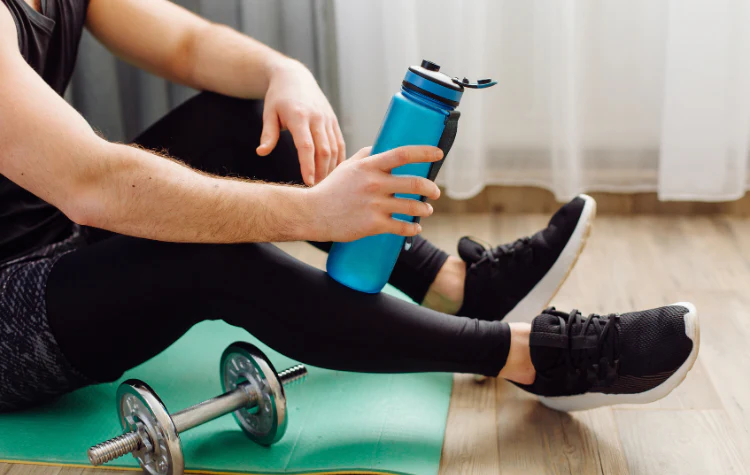
Muscle soreness and fatigue are common experiences for athletes, fitness enthusiasts, and individuals recovering from physical strain. Whether caused by intense training, repetitive movement, or physical labour, muscle discomfort can limit performance and delay recovery. In recent years, muscle recovery equipment has become increasingly popular in Australia as an effective way to reduce soreness and support faster healing.
This article explains how muscle recovery equipment works, the science behind its benefits, and why it is now widely used by professionals and everyday users alike.
Understanding Muscle Soreness and Recovery
Muscle soreness typically occurs due to microscopic damage to muscle fibres during physical activity. This damage triggers an inflammatory response as the body repairs and strengthens the affected muscles. While this process is natural, it can lead to stiffness, pain, and reduced mobility, particularly in the days following exercise.
Efficient recovery is essential to minimise discomfort and prevent prolonged fatigue. Muscle recovery equipment is designed to support the body’s natural healing process by improving circulation, reducing inflammation, and promoting muscle relaxation.
The Role of Circulation in Muscle Healing
Blood flow plays a critical role in muscle recovery. Improved circulation delivers oxygen and nutrients to damaged tissues while assisting in the removal of metabolic waste products such as lactic acid.
Many types of muscle recovery equipment are designed to stimulate circulation. Enhanced blood flow helps reduce muscle tightness, decreases swelling, and accelerates the repair process. This makes recovery equipment particularly valuable after high-intensity workouts or physically demanding activities.
Types of Muscle Recovery Equipment
A wide range of muscle recovery equipment is available in the Australian market, each offering specific benefits. Massage guns use percussive therapy to target deep muscle tissue, helping release tension and improve flexibility. Compression garments and boots apply controlled pressure to improve circulation and reduce swelling.
Foam rollers and mobility tools are commonly used for self-myofascial release, helping break down muscle knots and improve range of motion. Other equipment, such as vibration platforms and heat or cold therapy devices, supports recovery through targeted stimulation and temperature regulation.
Reducing Delayed Onset Muscle Soreness
Delayed onset muscle soreness, commonly referred to as DOMS, typically appears 24 to 72 hours after exercise. It can significantly impact performance and daily activities.
Muscle recovery equipment helps reduce the severity and duration of DOMS by decreasing muscle stiffness and promoting faster tissue repair. Regular use after exercise can help individuals return to training sooner and maintain consistent activity levels.
Supporting Injury Prevention and Rehabilitation
Muscle recovery equipment is not only beneficial for post-exercise soreness but also plays a role in injury prevention and rehabilitation. Tight or fatigued muscles are more prone to strain and injury.
By improving muscle elasticity and reducing tension, recovery equipment helps maintain muscle health and flexibility. In rehabilitation settings, controlled recovery techniques can support healing while minimising stress on injured areas. Many Australian physiotherapists and sports professionals incorporate recovery equipment into treatment plans for this reason.
Enhancing Athletic Performance
Effective recovery is a key factor in athletic performance. Muscles that recover efficiently are better prepared for subsequent training sessions and competitions.
Professional athletes across Australia use muscle recovery equipment to optimise performance and reduce downtime. Faster recovery allows for higher training frequency, improved endurance, and reduced risk of overuse injuries. For recreational athletes, this translates into more enjoyable and sustainable physical activity.
Convenience and Accessibility of Home Recovery
One of the major advantages of modern muscle recovery equipment is its accessibility. Many devices are designed for home use, allowing individuals to manage recovery without frequent visits to clinics or therapists.
This convenience is particularly valuable for Australians balancing work, training, and family commitments. Consistent recovery routines at home can lead to better long-term outcomes and reduced reliance on reactive treatment.
Complementing Professional Treatment
While muscle recovery equipment offers significant benefits, it is most effective when used alongside professional guidance. Physiotherapists, sports trainers, and medical professionals can recommend appropriate recovery techniques based on individual needs.
Recovery equipment complements professional treatment by extending the benefits beyond scheduled appointments. This integrated approach supports ongoing muscle health and accelerates progress.
Choosing the Right Muscle Recovery Equipment
Selecting the appropriate recovery equipment depends on activity level, recovery goals, and personal preferences. Factors such as intensity of use, targeted muscle groups, and ease of operation should be considered.
Quality and safety are also important. Choosing equipment from reputable suppliers ensures reliability and effectiveness. Consulting with fitness or healthcare professionals can help individuals make informed decisions and maximise benefits.
Conclusion
Muscle recovery equipment plays a valuable role in reducing soreness and speeding healing by supporting the body’s natural recovery processes. Through improved circulation, reduced inflammation, and muscle relaxation, these tools help individuals recover more efficiently and maintain consistent physical activity.
In Australia’s active and health-conscious community, muscle recovery equipment has become an essential part of training and wellness routines. When used correctly and consistently, it supports performance, injury prevention, and long-term muscle health, making it a worthwhile investment for anyone seeking effective recovery solutions.