
Modern teams often communicate across countries, languages, time zones, and devices. A project manager may work from a Windows laptop, a sales representative may rely on an iPhone, and a customer support specialist may respond through an Android device. Although messaging applications make this type of collaboration possible, inconsistent settings can create unnecessary confusion.
One employee may see an English interface while another uses Traditional Chinese. Notification preferences may differ between mobile and desktop devices. Menu names may not match the terminology used in internal training documents, and important messages may be missed because each team member has configured the application differently.
These issues are easy to dismiss as minor technical details. However, when they affect a distributed team, they can increase onboarding time, slow down troubleshooting, and make everyday communication less reliable. A standardized messaging setup process can help multilingual teams create a more consistent experience without requiring every employee to use exactly the same device.
Language Differences Create More Than Translation Problems
Changing the interface language of a messaging application may appear to be a matter of personal preference. In a business environment, however, language settings can influence how quickly users find features, understand warnings, manage privacy controls, and follow internal instructions.
For example, a company may prepare onboarding documentation using English menu names, while some employees use a Traditional Chinese interface. Even when the underlying functions are identical, different labels can make a simple task more difficult. Users may struggle to find notification settings, device management options, group permissions, or file-sharing controls because the wording in the guide does not match what appears on their screens.
This problem becomes more noticeable when support teams assist employees remotely. A support specialist may ask a user to select a particular menu, only to discover that the translated interface uses a different expression. The result is a longer support session and a higher chance of incorrect configuration.
Multilingual organizations should therefore treat interface language as part of their operational documentation. The goal is not to force every employee to use one language. Instead, the organization should document the languages it supports and provide instructions that reflect the actual interface seen by users.
Create a Standard Messaging Setup Checklist
A reliable setup process starts with a checklist. Rather than asking employees to install a messaging application and configure it independently, teams can define a small number of settings that should be reviewed during onboarding.
A practical checklist may include:
- Interface language and regional format
- Time zone and date display
- Message and call notifications
- Group notification preferences
- Contact display names
- File and media download behavior
- Microphone, camera, and storage permissions
- Desktop login and device synchronization
- Privacy and account recovery options
The checklist should remain short enough to complete during normal employee onboarding. It does not need to include every available setting. Instead, it should focus on options that affect communication reliability, privacy, and cross-device consistency.
Organizations should also distinguish between required settings and personal preferences. Security-related options, approved account details, and device access rules may need to follow company policy. Notification sounds, themes, and font sizes can usually remain under the employee’s control.
Document Language Settings for Every Supported Device
Messaging applications do not always use the same settings path on every operating system. A language option available inside an Android application may depend on the system language on iOS. Desktop versions may place language controls under a general settings menu, while mobile versions may organize them under appearance or regional preferences.
This means a single sentence such as “change the app to Chinese” is rarely sufficient for a diverse team. Internal documentation should identify the operating system, explain where the relevant setting is located, and note whether the application must be restarted before the change appears.
For teams supporting Chinese-speaking employees, a clear LINE 中文设置指南 can provide a useful reference for interface language, notification preferences, and device-specific configuration. Linking employees to focused instructions can be more effective than asking them to search through unrelated download pages or general help articles.
Visual documentation is especially useful. A few carefully selected screenshots can reduce uncertainty, provided they are updated when the application interface changes. Each screenshot should identify the platform and language version so that users do not confuse Android, iOS, Windows, and macOS instructions.
Teams should also avoid relying exclusively on screenshots. Menu layouts change over time, and images can quickly become outdated. Short written explanations should accompany each image so users can still complete the process when the visual design changes slightly.
Keep Mobile and Desktop Experiences Consistent
Many employees use messaging applications on both mobile and desktop devices. This improves accessibility, but it can also create inconsistent behavior. Notifications may be enabled on one device and disabled on another. Files may download automatically to a phone but require manual approval on a computer. Contact names and conversation history may also appear differently depending on synchronization and account settings.
A standardized setup should clarify which device is expected to serve as the employee’s primary communication tool. A customer support team may need desktop notifications during working hours, while field employees may depend mainly on mobile alerts. The appropriate configuration should reflect the role rather than applying one universal rule to everyone.
Teams can reduce duplicate notifications by deciding where calls, mentions, and group messages should be most visible. They can also define whether employees are expected to keep the desktop application open during working hours and how they should log out from shared or temporary devices.
File handling deserves similar attention. Automatic downloads may be convenient, but they can fill device storage and create privacy concerns. A company may prefer manual downloads for large files or sensitive media while allowing routine documents to synchronize normally.
The purpose of standardization is not to remove flexibility. It is to ensure that important communication behaves predictably across the devices employees use most often.
Build Internal Support Resources for Common Questions
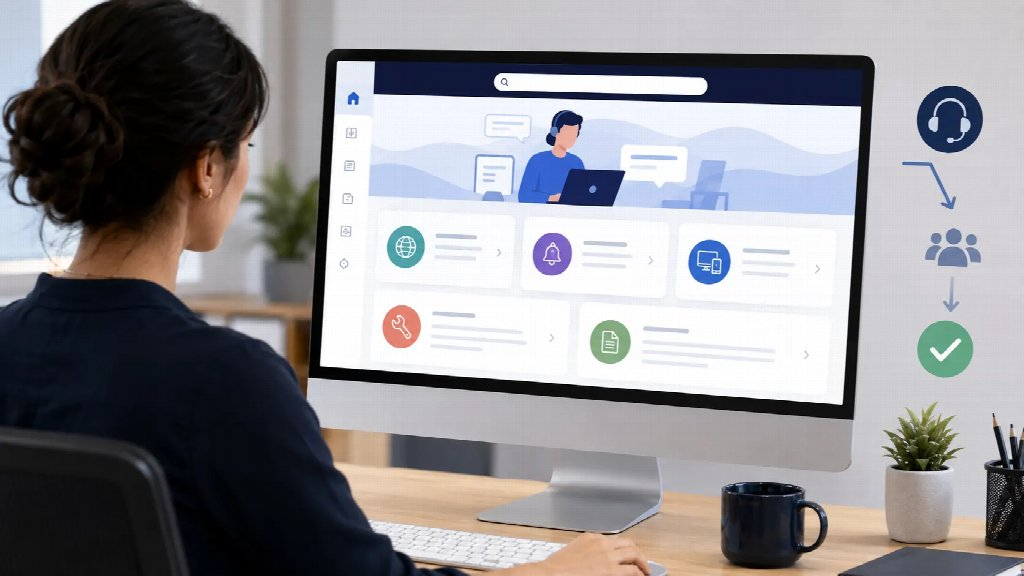
Even a well-designed onboarding process will not eliminate every question. Employees may replace a phone, reinstall an application, switch operating systems, or encounter a new interface after an update. A small internal knowledge base can prevent the same support requests from being handled repeatedly.
Useful support topics may include:
- How to change the interface language
- How to adjust message and group notifications
- How to sign in on a desktop device
- How to review connected devices
- How to change file download preferences
- What to do when a language change does not appear
- How to restore approved settings after reinstalling the app
Each support article should answer one specific question. Long documents that combine installation, account registration, privacy, notifications, and troubleshooting are harder to maintain and more difficult for employees to search.
External resources can supplement internal documentation when they explain platform-specific steps in more detail. For example, a practical LINE language settings guide may help users confirm the correct menu path before contacting internal support. The company’s own documentation can then focus on policies and team-specific requirements rather than reproducing every technical instruction.
Support teams should record the questions they receive most frequently. If several employees ask about the same setting, the documentation probably needs to be clearer. Updating the relevant article is more efficient than answering the same question individually.
Review Settings After Major Application Updates
Messaging applications change regularly. Updates may reorganize menus, introduce new privacy controls, modify notification behavior, or alter the way desktop and mobile devices connect. A setup guide that was accurate several months ago may no longer match the current interface.
Organizations do not need to rewrite their documentation after every minor update. However, they should review it whenever employees report that instructions no longer match the application. Major interface redesigns and account security changes should also trigger a documentation review.
A simple review process can include:
- Testing the instructions on each supported operating system
- Checking whether menu names or locations have changed
- Confirming that screenshots still reflect the current interface
- Reviewing privacy, notification, and device access settings
- Updating the article date so employees know it has been checked
Companies with employees in multiple regions should test more than one language version. A menu may move or receive a different translation in one interface even when the English version remains unchanged.
Use a Simple Rollout Framework
Standardizing messaging settings does not need to become a large IT project. Small teams can introduce the process gradually.
First, identify the languages, operating systems, and device types currently used by the team. There is little value in documenting platforms that no employee uses.
Second, define the small number of settings that affect communication, privacy, and support. Separate mandatory company settings from optional personal preferences.
Third, create a short setup guide and test it with a few employees. Ask them to follow the instructions without additional assistance. Any step that causes confusion should be rewritten before the guide is distributed more widely.
Fourth, add the checklist to employee onboarding. New team members should complete it when their accounts and devices are configured, rather than several weeks after they begin work.
Finally, review the process periodically. Teams can check the documentation every quarter or whenever an application introduces a major interface change. This keeps the setup process useful without creating unnecessary administrative work.
Consistency Improves Communication Without Removing Choice
Multilingual teams do not need identical devices or identical personal preferences to communicate effectively. They do, however, benefit from a shared configuration framework.
By documenting language settings, aligning important notifications, clarifying device expectations, and maintaining a searchable support library, organizations can reduce avoidable confusion. Employees spend less time searching for menus, support teams answer fewer repetitive questions, and communication remains more predictable across mobile and desktop devices.
The most effective approach is a balanced one. Standardize the settings that affect security and operational reliability, while allowing employees to personalize options that do not interfere with their work. With a clear checklist and regularly reviewed documentation, multilingual teams can create a smoother messaging experience across languages, regions, and devices.