The internet has become noisier, more competitive, and more sophisticated than ever before. Businesses are no longer competing solely for search rankings or social media engagement. They are competing for something far more valuable: trust.
In 2026, online authority has become one of the strongest indicators of business success. Whether a potential customer discovers your company through Google, ChatGPT, Perplexity, LinkedIn, YouTube, an industry publication, or a recommendation from a colleague, the same question ultimately determines the outcome:
Does this business appear trustworthy and credible?
The answer is rarely based on a single webpage. Instead, it is formed through dozens of signals spread across the internet.
A modern brand’s reputation is shaped by:
- Search engine visibility
- Industry mentions
- Media coverage
- Customer reviews
- Thought leadership content
- Social proof
- Website performance
- Expert contributions
- AI search visibility
- Brand consistency
The organisations that understand this shift are building digital authority ecosystems rather than relying on isolated marketing tactics.
Why Online Authority Has Become a Competitive Advantage
For many years, businesses measured digital success through traffic numbers and search rankings.
While these metrics remain important, they only tell part of the story.
A website may rank highly for a keyword yet struggle to convert visitors into customers. Meanwhile, another company with lower rankings but stronger authority may generate significantly more leads and sales.
This happens because authority influences perception.
When users repeatedly encounter a brand across trusted websites, industry discussions, news publications, podcasts, social platforms, and search results, familiarity begins to develop. Familiarity often leads to trust, and trust drives conversions.
Recent studies across marketing and consumer behaviour continue to show that buyers increasingly research brands through multiple channels before making decisions.
The customer journey now involves:
- Discovering a problem.
- Researching solutions.
- Comparing providers.
- Checking reviews.
- Looking for third-party validation.
- Evaluating expertise.
- Making a purchasing decision.
Brands that appear consistently throughout this journey gain a substantial advantage.
The Evolution from SEO to Authority Building
Traditional SEO focused heavily on ranking web pages.
Businesses concentrated on:
- Keywords
- Meta tags
- Backlinks
- Technical optimisation
- Search engine algorithms
While these elements remain important, the digital landscape has evolved significantly.
Today, search engines increasingly evaluate broader trust signals.
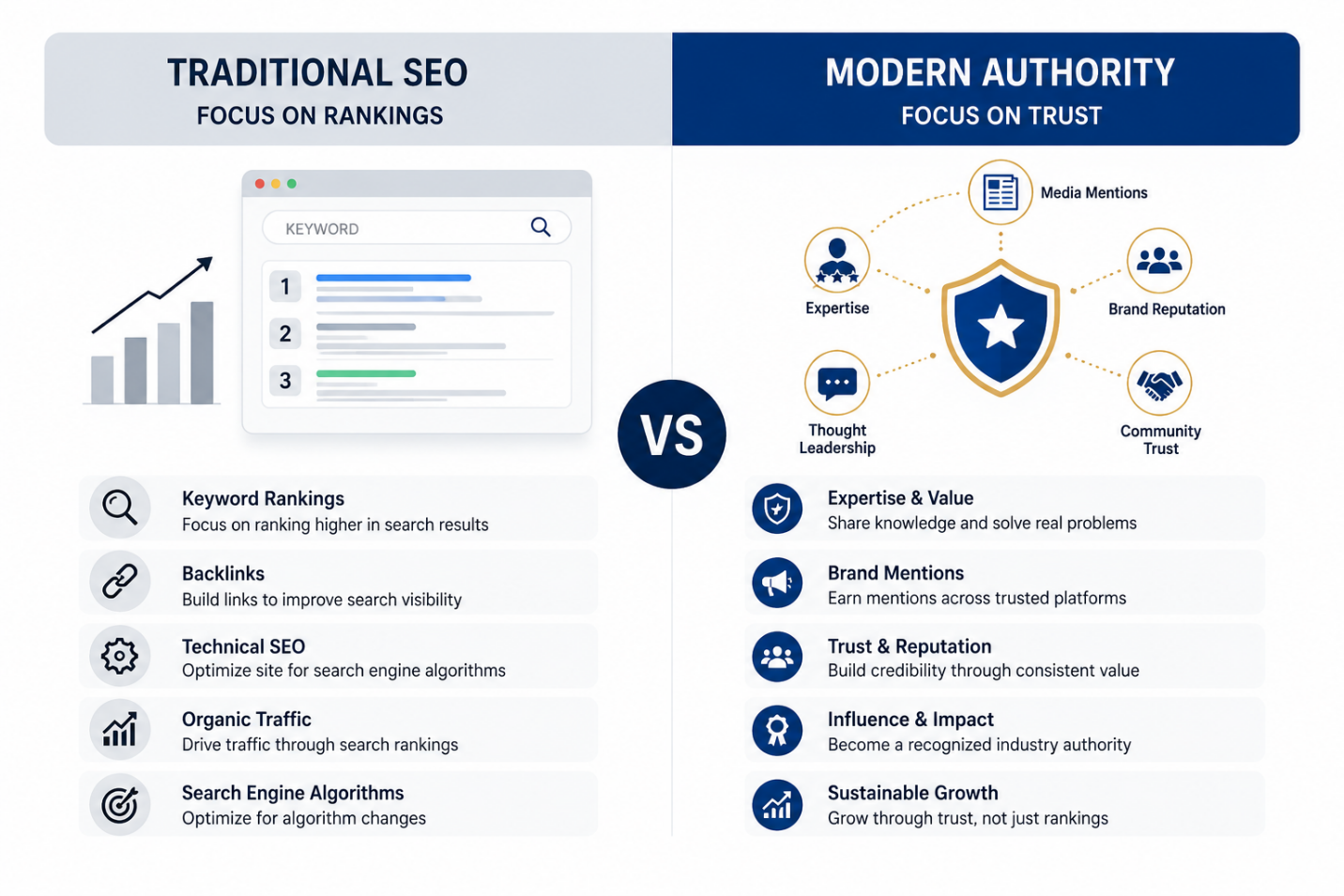
Modern authority building combines multiple disciplines:
| Traditional SEO | Modern Authority Building |
| Rankings | Recognition |
| Keywords | Expertise |
| Links | Reputation |
| Optimisation | Trust |
| Traffic | Influence |
| Visibility | Credibility |
This evolution reflects how users consume information in 2026.
People rarely trust brands based solely on a search result. They trust brands that repeatedly demonstrate expertise wherever they appear online.
The Rise of Thought Leadership
Thought leadership has become one of the most effective methods for building authority.
Rather than constantly promoting products or services, leading businesses educate their audiences.
They answer questions.
They share insights.
They contribute meaningful perspectives.
They help solve problems.
This approach creates long-term trust because audiences begin viewing the brand as a reliable source of information rather than simply another vendor.
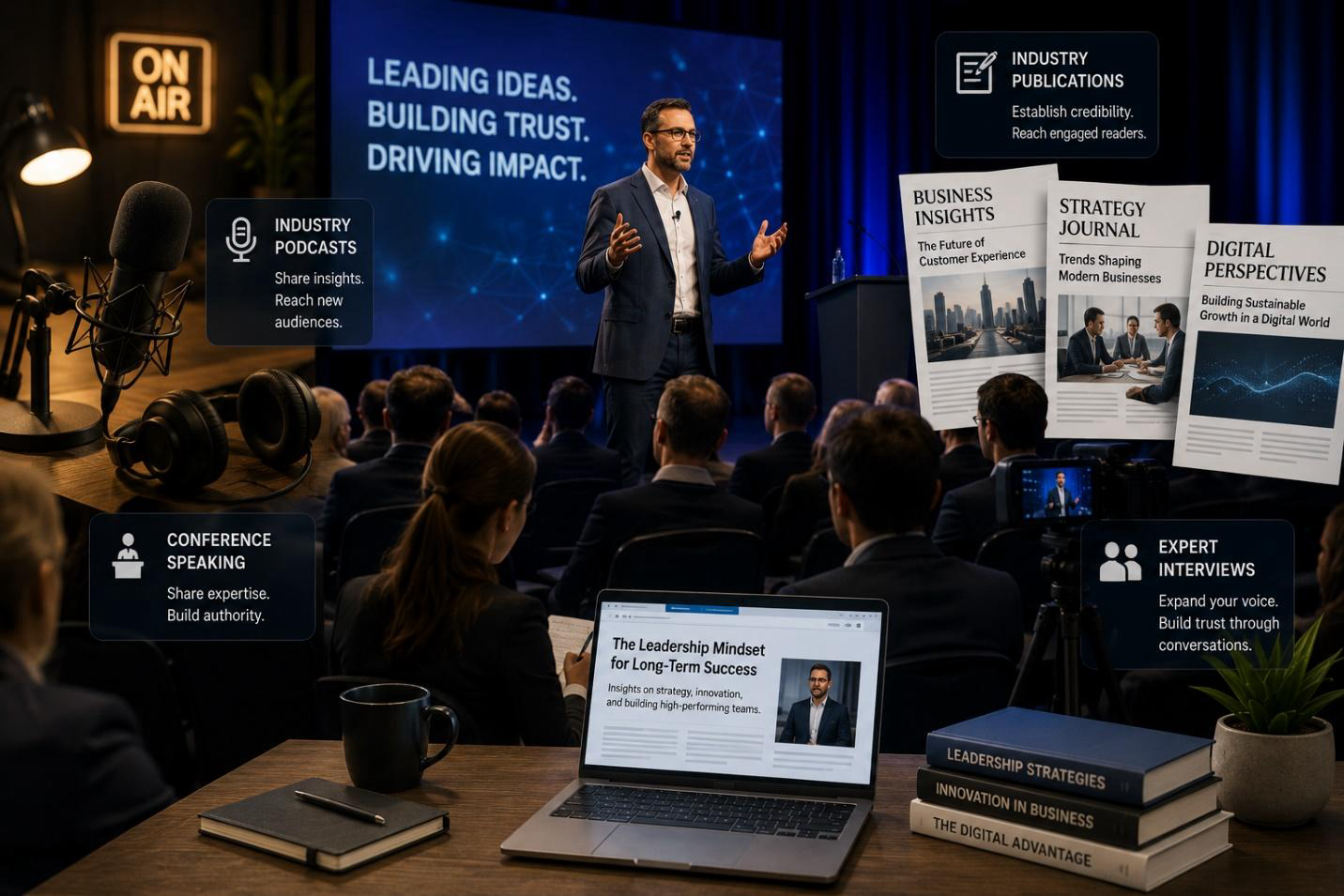
Examples of thought leadership include:
- Original research reports
- Industry analysis
- Educational guides
- Podcast appearances
- Conference presentations
- Expert interviews
- Market predictions
- Commentary on industry trends
Companies such as HubSpot, Salesforce, Adobe, and Shopify have demonstrated how educational content can become a major competitive advantage.
Their content often attracts audiences long before a sales conversation ever takes place.
Why Expertise Matters More in the AI Search Era
Artificial intelligence is changing how information is discovered.
Millions of users now ask questions directly to AI-powered search platforms instead of browsing through dozens of websites.
These systems attempt to identify trustworthy sources before generating answers.
As a result, expertise has become increasingly important.
Brands that consistently publish valuable information and earn recognition from reputable sources are more likely to be referenced across AI-driven platforms.
Businesses can improve their visibility by:
- Publishing expert content
- Building recognised author profiles
- Earning media mentions
- Developing strong brand signals
- Creating citation-worthy resources
Authority has effectively become the currency of visibility.
The stronger a brand’s authority, the more opportunities it has to appear wherever people seek answers.
Guest Publishing and Third-Party Validation
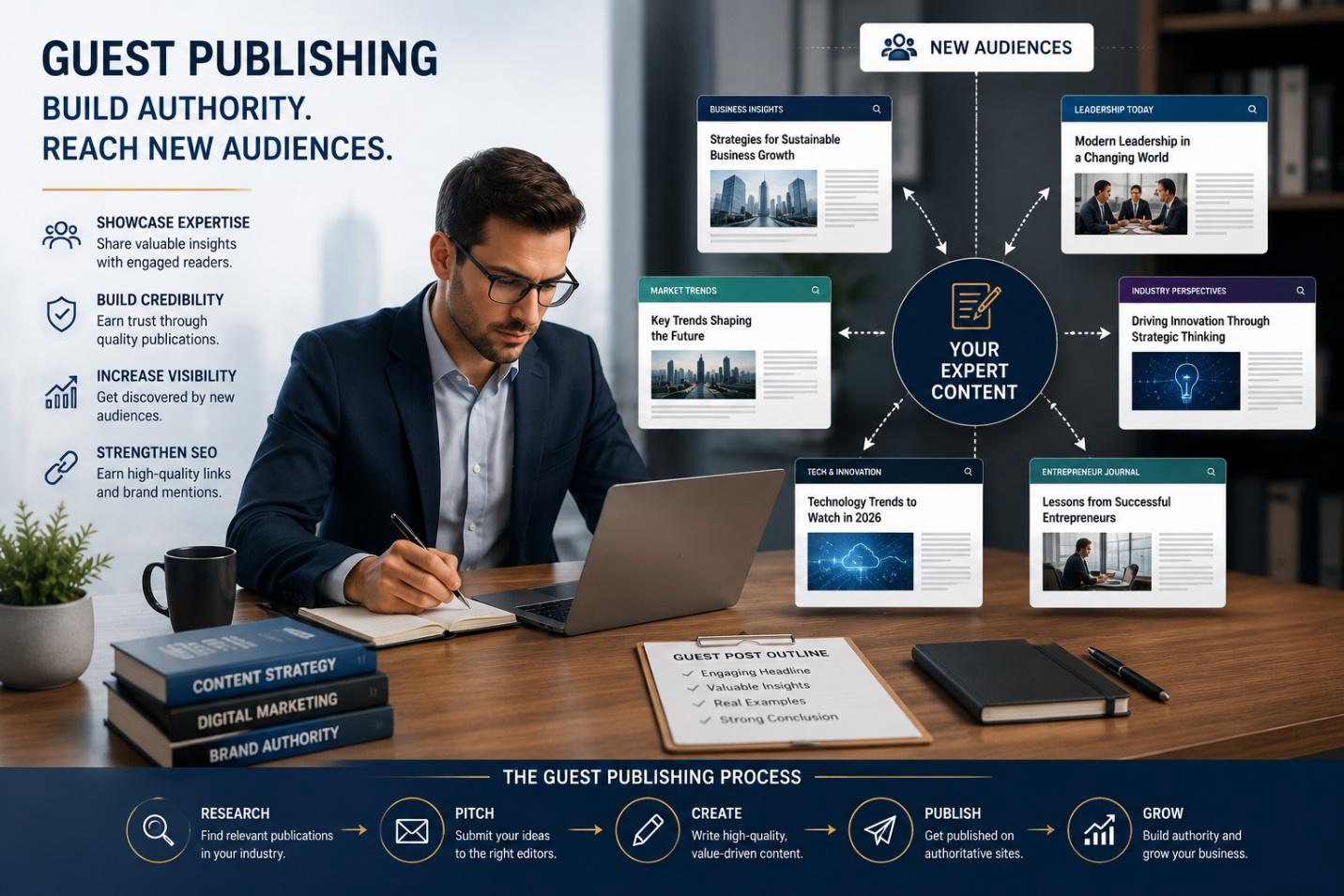
One of the most effective ways to demonstrate expertise is by contributing content to respected industry publications.
When professionals share insights on established platforms, they benefit from third-party validation.
Readers naturally associate the publication’s credibility with the contributor’s credibility.
This is one reason many organisations continue investing in strategic guest posting opportunities as part of their authority-building efforts.
When executed correctly, guest publishing offers multiple benefits:
- Increased brand visibility
- Access to new audiences
- Enhanced credibility
- Stronger industry recognition
- Valuable referral traffic
- Improved trust signals
The most successful guest contributors focus on education rather than promotion.
Instead of selling products, they share practical advice, research, and experiences that genuinely help readers.
This creates a win-win outcome for publishers, readers, and contributors alike.
Building a Content Ecosystem Instead of Publishing Random Articles
One of the biggest mistakes businesses make is treating content as isolated projects.
A single article rarely establishes authority.
Authority develops through consistency.
Successful organisations create interconnected content ecosystems that reinforce expertise over time.
A comprehensive content ecosystem often includes:
Educational Guides
Detailed resources designed to answer common industry questions.
Industry Reports
Research-based content that provides unique insights.
Case Studies
Real-world examples demonstrating expertise and measurable results.
Comparison Content
Objective analyses helping consumers evaluate options.
Evergreen Resources
Long-lasting content that remains useful for years.
Opinion Pieces
Expert perspectives on emerging trends and developments.
When these assets work together, they create a powerful network of authority signals.
Why Website Performance Still Influences Trust
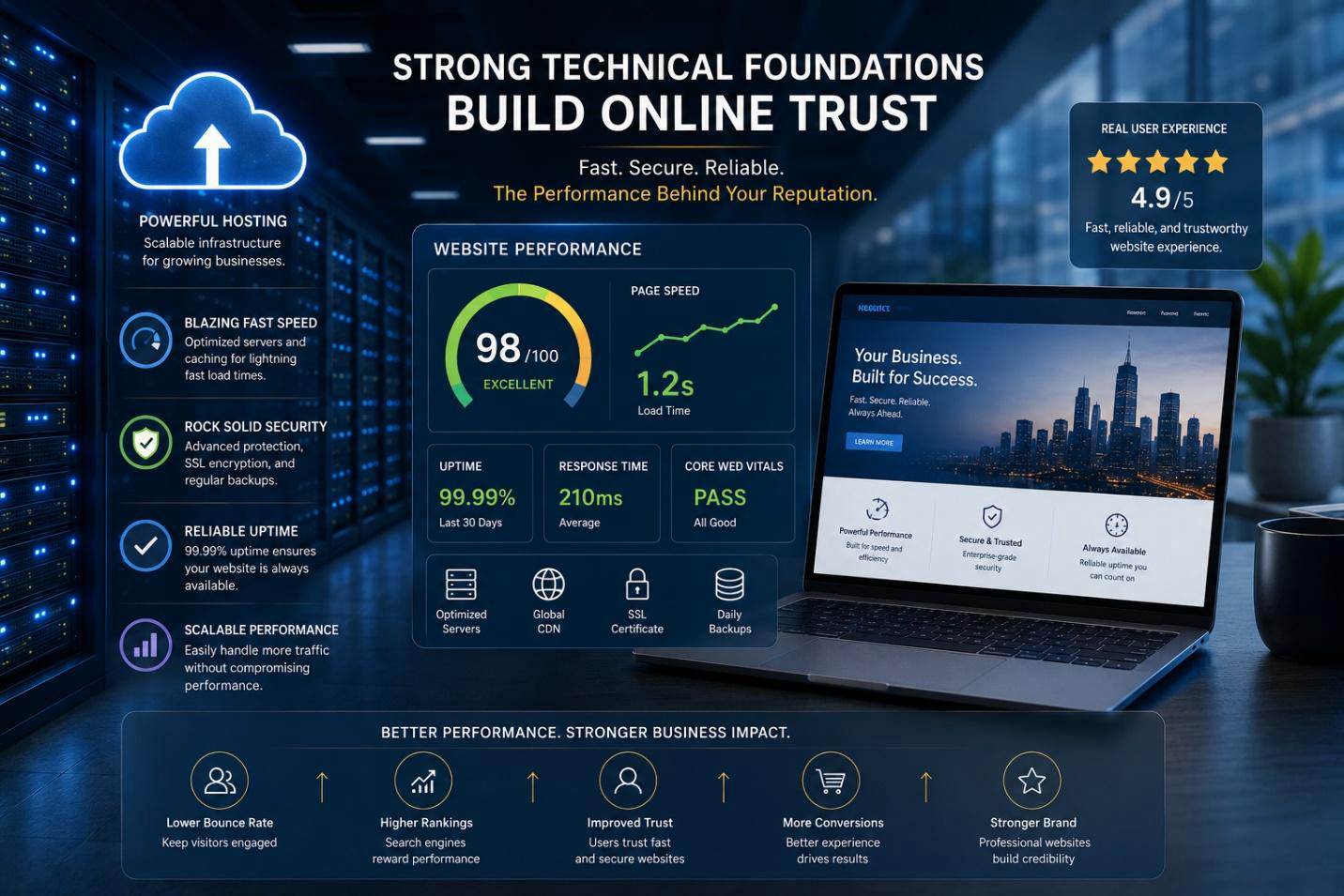
Many businesses focus exclusively on content while overlooking technical fundamentals.
However, user experience remains a crucial component of authority.
Visitors expect websites to:
- Load quickly
- Function properly
- Remain secure
- Provide smooth navigation
- Work across devices
Slow websites create friction.
Friction reduces trust.
Trust impacts conversions.
Research consistently shows that page speed affects both user satisfaction and business performance.
For this reason, businesses continue to invest in reliable infrastructure and select the best web hosting providers capable of delivering strong performance, uptime, and security.
Hosting is often viewed as a technical decision, but it directly affects how users perceive a brand.
A fast website signals professionalism.
A slow website can suggest the opposite.
Digital PR: The Authority Accelerator
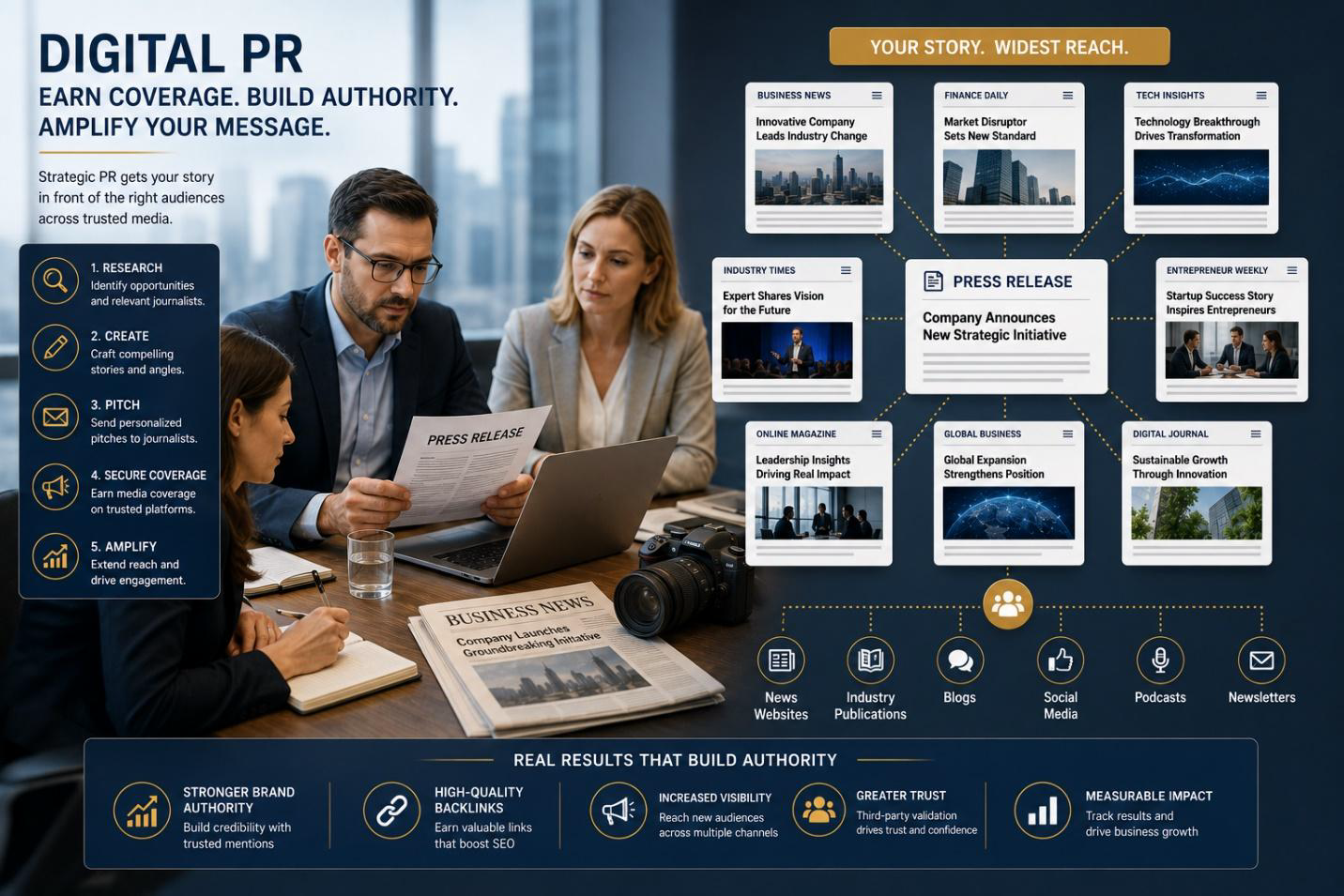
Digital PR has become one of the fastest ways to strengthen online authority.
Unlike advertising, digital PR focuses on earning attention rather than buying it.
Successful digital PR campaigns often generate:
- News coverage
- Expert commentary opportunities
- Industry mentions
- Podcast appearances
- Journalist citations
- Brand awareness
These mentions provide independent validation.
When respected publications reference a business, audiences are more likely to trust that organisation.
Digital PR also supports SEO, brand awareness, and reputation management simultaneously.
This makes it one of the most valuable investments for businesses seeking long-term growth.
The Power of Brand Mentions
Backlinks remain important, but modern search engines and AI systems increasingly evaluate broader brand signals.
Brand mentions contribute significantly to authority.
These mentions may occur:
- In news articles
- On forums
- In podcasts
- Across social media
- Within industry publications
- In expert roundups
- Through online discussions
Even when a mention does not include a direct hyperlink, it can still contribute to brand recognition and visibility.
The more often a business appears within relevant conversations, the stronger its authority becomes.
Social Proof and Consumer Confidence
Consumers trust other consumers.
This simple reality explains why reviews and testimonials remain so influential.
Businesses should actively collect and showcase:
- Customer reviews
- Success stories
- Testimonials
- Case studies
- Video feedback
- Industry awards
Strong social proof reduces perceived risk.
When potential customers see positive experiences from others, confidence increases.
This confidence often becomes the deciding factor in competitive markets.
Building Authority Across Multiple Platforms
Authority is strongest when it exists everywhere your audience spends time.
Relying on a single platform creates risk.
Algorithms change.
Platforms evolve.
Traffic sources fluctuate.
The most resilient brands diversify their presence across:
- Search engines
- Industry publications
- YouTube
- Podcasts
- Email newsletters
- Online communities
- Industry events
This multi-channel approach creates a broader and more durable reputation.
The Relationship Between Authority and AI Search Visibility
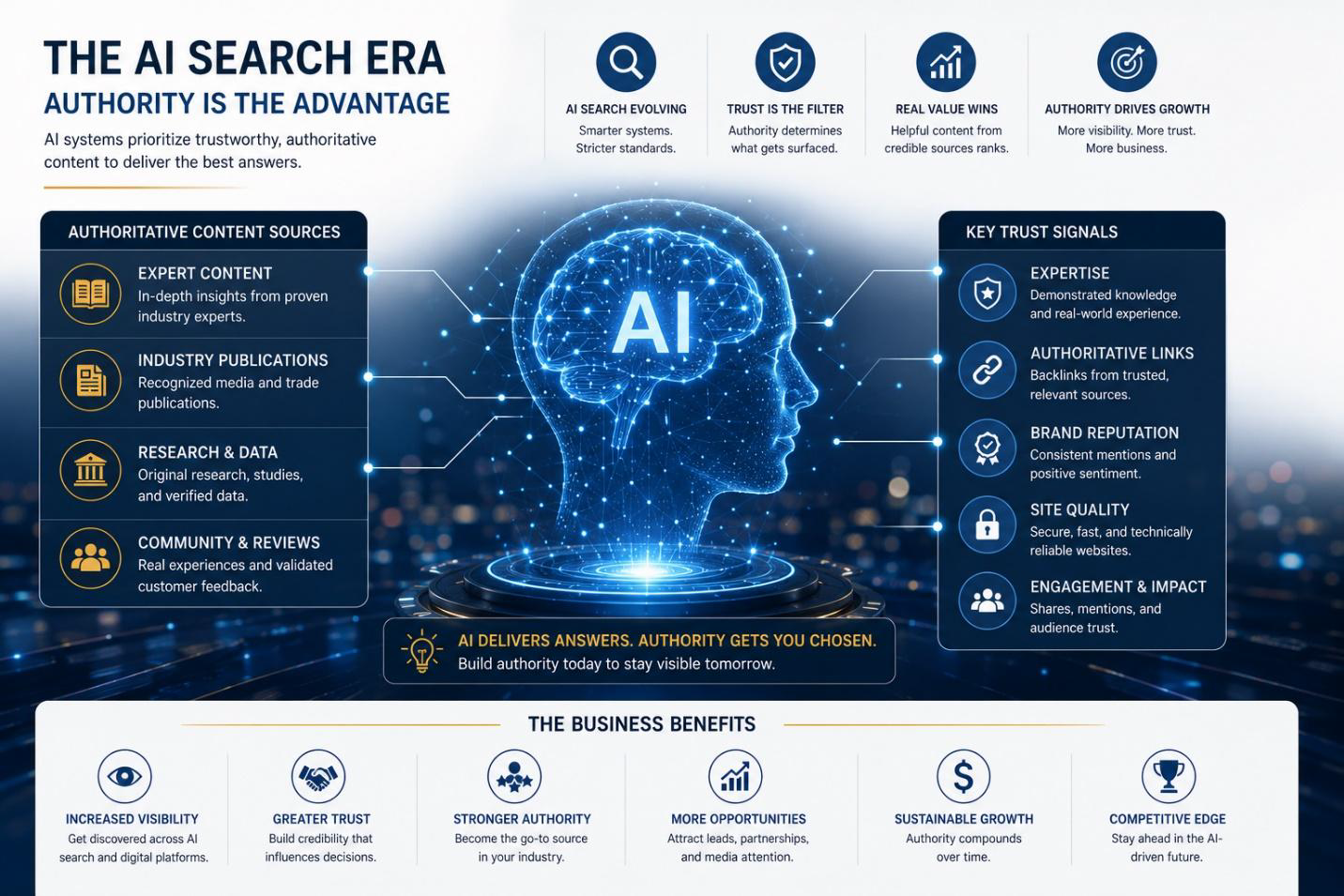
AI search platforms are rapidly transforming information discovery.
Users increasingly expect direct answers rather than lists of links.
This shift changes how brands earn visibility.
Businesses that consistently demonstrate expertise across multiple sources are more likely to be referenced by AI systems.
Several factors contribute to AI visibility:
Consistent Brand Mentions
Brands referenced frequently across trusted sources gain stronger authority signals.
Expert Content
Well-researched educational content increases citation potential.
Strong Digital Footprints
Businesses appearing across multiple reputable platforms become easier to recognise.
Trusted References
Mentions from respected websites reinforce credibility.
Topical Expertise
Publishing deeply on a subject helps establish authority within that niche.
The future of search is increasingly connected to authority.
Common Mistakes That Undermine Authority
Many businesses unknowingly damage their authority through avoidable mistakes.
Examples include:
Publishing Low-Quality Content
Thin, generic content rarely builds trust.
Ignoring Reputation Management
Negative reviews and unresolved complaints can harm credibility.
Over-Promotional Messaging
Audiences prefer education over constant sales pitches.
Inconsistent Branding
Conflicting messages create confusion.
Neglecting Technical Performance
Poor user experiences reduce trust.
Chasing Short-Term Tactics
Authority is built over years, not weeks.
Avoiding these mistakes can significantly improve long-term outcomes.
A Practical Authority-Building Framework for 2026
Businesses seeking sustainable growth can follow a simple framework:
Step 1: Establish Expertise
Identify areas where your organisation can provide unique insights.
Step 2: Create Valuable Content
Publish educational resources that genuinely help your audience.
Step 3: Expand Distribution
Share expertise through publications, podcasts, and industry communities.
Step 4: Earn Recognition
Pursue media coverage, interviews, and expert commentary opportunities.
Step 5: Strengthen Technical Foundations
Ensure websites remain fast, secure, and reliable.
Step 6: Build Social Proof
Collect testimonials, reviews, and success stories.
Step 7: Maintain Consistency
Authority compounds through ongoing effort.
Looking Ahead: The Future of Digital Trust
The next decade of digital marketing will be shaped less by visibility and more by credibility.
Consumers have more information available than ever before.
Artificial intelligence is making information easier to access.
Competition continues to increase across virtually every industry.
In this environment, trust becomes the ultimate differentiator.
Businesses that consistently educate, contribute, innovate, and demonstrate expertise will continue strengthening their authority regardless of platform changes or algorithm updates.
Those that focus exclusively on short-term tactics may achieve temporary visibility, but lasting success belongs to brands that earn trust over time.
Online authority is no longer simply a marketing objective.
It is a business asset.
And in 2026, it may be the most valuable asset a company can build.